English
 Español
 日本語
日本語 Deutsch
SHAOXING TANGSILK TEXTILE CO.,LTD.
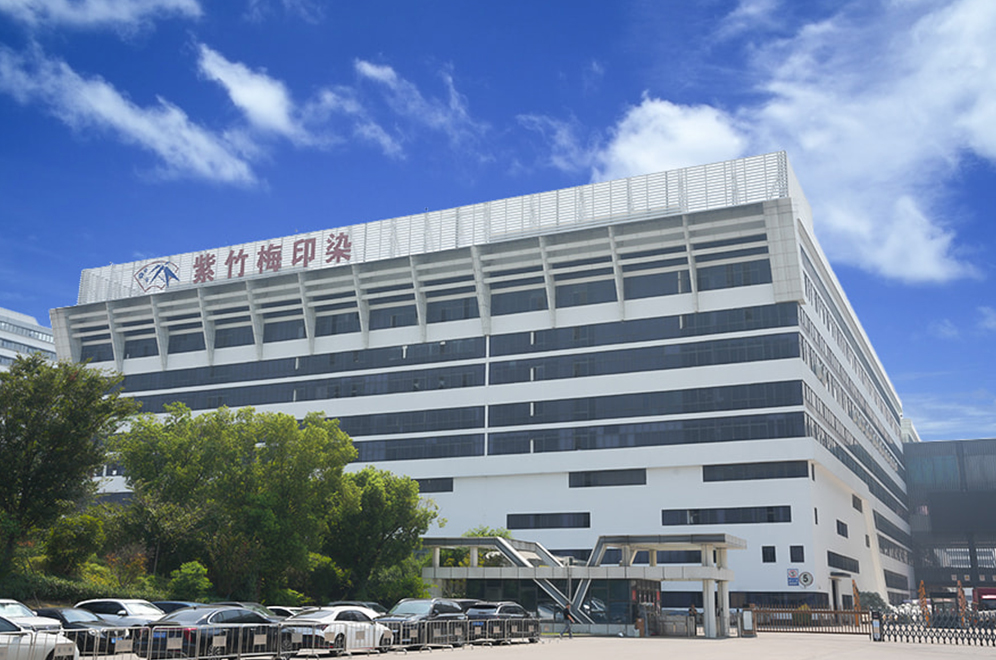
Shaoxing Tangsi Textile Co., Ltd. founded in 2010, the company is located in the beautiful water city of Shaoxing which was long story Area. We mainly engaged in the research and development of natural fiber, high-performance fiber and blended products, committed to promoting the development of environmental protection material industry chain, making continuous efforts to reduce human environmental pollution and achieve sustainable development. It is a professional linen enterprise dedicated of the products. Our cooperation factory, which covers an area of 40,000 square meters, has 1096 employees, and more than 130 machines. Besides we also have our own warehouse and full of ready goods in a wide range of different fabric which can meet the needs of different customers. We are involved in all stages of the production process: from spinning, weaving and finishing. we offer a full range of linen, linen cotton, rayon linen, china-hemp, ramie, yarn-dyed, printed linen and coated textiles. The products are exported to more than 20 countries and regions like the United States, England, Canada, Japan, Italy, Spain, Brazil, Argentina, Chile, Vietnam, the Philippines. We are also actively developing different kinds of new samples to meet the needs of guests at regular intervals, and warmly welcome to visit our factory and company, hope there will be more opportunities for cooperation.
Advantages
Strength data
-
2001
Company Establishment
-
40000㎡
Cover an area
-
1096+
Employees
-
130+
Number of machines
-
20+
Exported to countries
>

Exhibition
01/07
-
17
/07
Industry News
Why Is Linen Woven Fabric Ideal for Summer Clothing?
The Structural Reason Linen Performs Differently in Heat Summer clothing fails or succeeds based on how fast a fabric moves moisture and heat away from skin. linen woven fabric is constructed from flax bast fibers that are naturally hollow and irreg...
-
10
/07
Industry News
The Complete Guide to Cotton Woven Fabric: Types, Uses, and Benefits
Understanding Cotton Woven Fabric Cotton woven fabric is produced by interlacing two sets of yarns, the warp and the weft, at right angles on a loom. This construction method gives the textile a stable structure, predictable stretch behavior, and a ...
-
03
/07
Industry News
How to Ensure Consistent Color in Dyed Linen Woven Fabric Production?
Direct Answer: The Core Strategy Consistent color in dyed linen woven fabric is achievable through a tightly controlled three-pillar system: 100% standardized raw material sourcing, closed-loop dye-bath monitoring with spectrophotometric feedback, ...
-
25
/06
Industry News
What Makes a Women Dress Comfortable for Daily Wear?
The Short Answer: Fabric Is Everything A women dress becomes comfortable for daily wear when it combines three essential elements: breathable natural fibers, a relaxed silhouette that moves with the body, and thoughtful construction that eliminates...
-
18
/06
Industry News
The Best Men’s Shirts for Summer: Light Fabrics, Cool Styles
The best men shirts are defined by three non-negotiable attributes: lightweight, breathable fabrics (linen, cotton, or linen-cotton blends), relaxed silhouettes that allow air circulation, and light-to-neutral color palettes that reflect solar heat....
-
12
/06
Industry News
What Are the Benefits of Pure Linen Fabric?
Pure linen fabric delivers superior environmental benefits: it requires up to 80% less water than conventional cotton, sequesters ~3.7 tonnes of CO₂ per hectare, is 100% biodegradable without releasing microplastics, and offers exceptional durabilit...
-
05
/06
Industry News
Everything You Need to Know About Linen Blended Fabric: A Complete Guide
Direct Conclusion: Linen Blended Fabric Outperforms Pure Linen in Key Metrics Linen blended fabric achieves 34% higher wrinkle resistance and up to 28% greater tensile strength retention after repeated laundering compared to 100% linen, while prese...
-
28
/05
Industry News
Can Eco-Friendly Dyeing Improve Linen Woven Fabric Quality?
The textile industry is undergoing a quiet but profound transformation. For centuries, dyeing natural fibers like linen has relied on processes that consume large amounts of water, energy, and synthetic chemicals. However, a new question is emerging ...
-
PHONE
+86-15306750009
+86-15306755678
Mobile terminal
NEWS
- Why Is Linen Woven Fabric Ideal for Summer Clothing?
- The Complete Guide to Cotton Woven Fabric: Types, Uses, and Benefits
- How to Ensure Consistent Color in Dyed Linen Woven Fabric Production?
- What Makes a Women Dress Comfortable for Daily Wear?
- The Best Men’s Shirts for Summer: Light Fabrics, Cool Styles
- What Are the Benefits of Pure Linen Fabric?
QUICK LINK
© 2024. SHAOXING TANGSILK TEXTILE CO.,LTD.
All Rights Reserved.
Custom Linen Cotton Textile Fabric Manufacturers