English
 Español
 日本語
日本語 Deutsch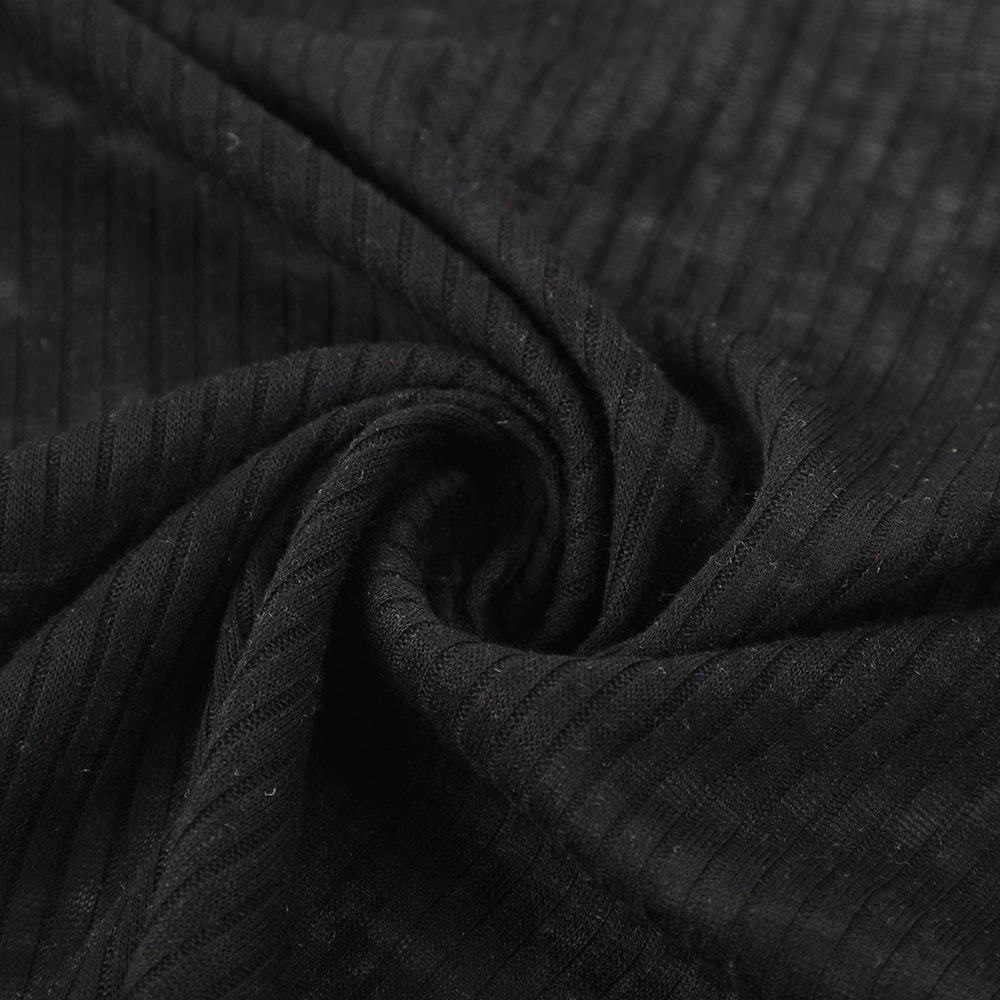

How durable is Rayon Spandex Knit Fabric against snags and pulls?
Introduction: The Delicate Balance of Comfort and Resilience
In the world of textiles, few materials strike a balance as nuanced as rayon spandex knit fabrics. Prized for their exceptional drape, soft hand feel, and comfortable stretch, these fabrics have become a cornerstone of modern apparel, from flowing dresses and activewear to comfortable everyday basics. However, the very properties that make them so desirable—their softness and fluidity—often lead to questions about their robustness. The central query, “How durable is rayon spandex knit fabric against snags and pulls?” is not one with a simple answer. It is a complex equation dictated by fiber science, knit construction, finishing processes, and end-use care.
The inquiry into snagging and pulling is fundamentally about a fabric’s ability to maintain its aesthetic and structural integrity under stress. A snag occurs when a loose, sharp, or rough object catches an individual yarn filament, pulling it away from the knitted surface and forming a loop. A pull is often the result of a snag, where the yarn is drawn out further, potentially distorting the knit structure or even leading to a run. For manufacturers, designers, and consumers, understanding this behavior is critical for selecting the right fabric for the right application and setting accurate expectations for garment longevity.
Chapter 1: Deconstructing the Components - The Role of Fiber Properties
The inherent durability of any textile begins with its constituent fibers. In the case of rayon spandex knit fabrics, the blend is a symbiotic partnership between two fibers with distinctly different roles and characteristics.
Rayon: The Cellulosic Foundation
Rayon is a semi-synthetic fiber derived from regenerated cellulose, typically sourced from wood pulp. It is celebrated for its high absorbency, brilliant luster, and superb drape, which closely mimics the desirable qualities of silk and cotton. However, from a durability perspective, standard viscose rayon has specific limitations. Its wet strength is notably lower than its dry strength, making it more vulnerable to damage during laundering when the fibers are swollen with water. Furthermore, the molecular structure of rayon, while soft, is not as resilient to repeated abrasion as some synthetic fibers. When subjected to a sharp point, rayon filaments can break rather than stretch, initiating a pull. The development of high-wet-modulus (HWM) rayons, such as modal and lyocell, has improved this profile significantly. These fibers possess higher tenacity, both wet and dry, and thus contribute to a knit fabric with inherently better resistance to snagging and pulling compared to those made with standard viscose rayon.
Spandex: The Engine of Elastic Recovery
Spandex, also known as elastane, is the synthetic component that provides the essential stretch and recovery. Its properties are nothing short of remarkable. As a key component, spandex cannot independently form fabric but is usually intricately blended with high-quality rayon and other materials. Its characteristics include an astounding elongation range (500% to 700%), softness under low stress, and a near-perfect elastic recovery rate (95% to 99% after 200% elongation). This recovery is the first line of defense against permanent pulling. When a force is applied that stretches the fabric, the spandex fibers work to pull the knit structure back to its original dimensions once the force is released. This helps to minimize the visibility of a temporary distortion. However, spandex itself is a fine, continuous filament that is inherently susceptible to snagging if exposed to sharp objects. Its durability is expressed not in its resistance to the initial catch, but in its ability to help the fabric recover from it.
The Blending Ratio: A Critical Determinant
The spandex content is carefully controlled between 3% and 10% to optimize fabric performance. This ratio is a masterclass in engineering balance. A higher spandex content (e.g., 8-10%) provides powerful recovery, making the fabric more resilient to stretching out of shape—a form of durability. However, it also introduces more of the fine, snaggable spandex filaments to the fabric surface. A lower spandex content (e.g., 3-5%) may be less elastic but might rely more on the knit structure for recovery and could be marginally less prone to spandex-specific snags. The intended end-use dictates the ratio; for instance, in swimwear fabrics, the spandex content can reach up to 20% to meet the ultimate demands for elasticity and fit, requiring specialized construction and finishing to mitigate snagging risks.
Chapter 2: The Knit Architecture - How Construction Influences Durability
If the fibers are the raw materials, the knit construction is the architectural blueprint that determines how those materials will behave under stress. The type of knit is arguably as important as the fiber content in determining a fabric’s resistance to snags and pulls.
Jersey Knit: The Universal Standard
The single jersey knit is the most common construction for rayon spandex fabrics. It is lightweight, drapes beautifully, and is cost-effective to produce. However, its simple structure—a single set of needles creating vertical columns of loops (wales) and horizontal rows (courses)—is also its weakness. The technical face of a jersey knit has a smooth, “V” pattern, while the back has a more textured, semi-circular look. A snag on the smooth face can easily distort the loop structure. Jersey knits are prone to “laddering,” where a broken filament can cause a run to propagate up or down a wale. While the spandex’s recovery can sometimes contain a small snag, the fundamental structure of single jersey makes it the most vulnerable among knits to this type of damage.
Interlock Knit: The Double-Layered Defender
Interlock knit is a double-layered, double-knit structure that is inherently more stable and durable than jersey. It is essentially two jersey knits intermeshed back-to-back. This creates a fabric that is thicker, smoother on both sides, and far less prone to curling at the edges. Most importantly for durability, the interlocking structure makes it much more resistant to runs and snags. If one yarn is snagged and broken, the second, interlocked layer often contains the damage, preventing it from propagating across or down the fabric. While interlock is heavier and less elastic than jersey, it represents a significantly more robust option for applications where durability is a primary concern.
Rib Knits: The Stretchy Compromise
Rib knits (e.g., 1x1, 2x2) are characterized by their pronounced vertical ribs and excellent crosswise stretch. This structure is created by having alternate wales knit on the front and back of the fabric. The textured surface of a rib knit can sometimes help to camouflage minor snags. However, the raised ribs can also be more exposed to abrasive surfaces. The durability lies in the structure’s elasticity; its strong horizontal recovery can help pull small snags back into place. It is generally considered more durable than single jersey but potentially less so than a tightly constructed interlock.
Other Constructions: Ponte de Roma and French Terry
Ponte de Roma is a specific type of double-knit known for its exceptional stability, density, and resilience. It is a heavyweight, low-stretch knit that offers outstanding resistance to snagging and pulling due to its tight, interlocked structure. French Terry, with its looped back and smooth face, offers good durability; the loose loops on the inside are absorbent, but the tight face can be reasonably resistant to abrasion and snagging.
The GSM (Grams per Square Meter) of the fabric, a direct result of the yarn size and knit density, is a paramount factor. A heavier, high-GSM knit (e.g., 250+ GSM) made with thicker yarns will always be more resistant to mechanical damage than a lightweight, low-GSM knit (e.g., 150 GSM), regardless of the construction. The thicker yarns are simply harder to break.
Chapter 3: Beyond the Loom - The Impact of Finishing Processes
The journey of rayon spandex knit fabrics from the loom to the finished product involves crucial finishing stages that profoundly impact its hand feel, appearance, and durability. These processes can either mitigate or exacerbate the potential for snagging.
Singeing: Creating a Smooth Surface
Singeing is a controlled process where the fabric passes rapidly over a gas flame or heated plates. This treatment burns off the protruding micro-fibrils and loose fibers from the yarn surfaces, creating a much smoother fabric face. This is one of the most effective industrial methods for reducing pilling and snagging. A smooth surface offers fewer loose ends for sharp objects to catch onto. A well-singed rayon spandex knit will have a silky hand feel and a significantly reduced propensity for snags compared to an unsinged one.
Brushing and Sanding: A Trade-Off
Conversely, brushing and sanding are finishing processes designed to raise the fiber ends to create a soft, fuzzy, peach-like surface. This finish is highly desirable for loungewear and winter apparel due to its incredible softness and insulating properties. However, this process intentionally creates a surface full of loose fibers, making the fabric inherently more vulnerable to snagging and pilling. While the underlying knit structure may be sound, the raised fibers are easy targets. Choosing a brushed fabric is an intentional trade-off of some durability for supreme softness and warmth.
Heat Setting: Stabilizing the Spandex
Heat setting is a critical thermal process applied to fabrics containing spandex. The fabric is subjected to specific temperatures (understood in the context of spandex’s softening point of 200°C or higher) under tension. This process relaxes internal stresses, stabilizes the dimensions of the fabric, and “sets” the spandex’s molecular structure in its most retracted state. This greatly improves the fabric’s elastic recovery, reducing the likelihood of it becoming baggy or permanently stretched out. A well-heat-set fabric will recover more effectively from the stretching that accompanies a snag, helping to minimize its appearance.
Dyeing and Finishing Agents: Compatibility is Key
The dyes and finishing agents used are widely compatible with both synthetic and natural fibers, making them equally suitable for the meticulous treatment of rayon spandex knitted fabrics. Softeners, for instance, can lubricate the yarns, potentially allowing a snagged yarn to slide back into place more easily. However, improper dyeing or finishing can degrade fiber strength. For example, harsh chemical treatments or incorrect pH levels during dyeing can weaken rayon fibers, reducing their tenacity and making them more prone to breaking under stress, thereby worsening snagging and pulling.
Chapter 4: The Real-World Test - End-Use Applications and Care
The theoretical durability of a rayon spandex knit fabric is ultimately proven—or disproven—in its practical application and care. The same fabric can perform very differently depending on how it is used and maintained.
Application-Specific Risks
- Activewear and Sportswear: Subject to high levels of abrasion (against gym equipment, mats), repeated stretching, and contact with rough surfaces (rock walls, artificial turf). This is a high-risk category for snagging and pulling. Fabrics for this use must have a robust construction (e.g., interlock), a higher spandex content for superior recovery, and potentially a tighter, singed finish.
- Hosiery and Leggings: Constantly exposed to friction against shoes, boots, and other garments. They are also prone to snags from jewelry, fingernails, or rough furniture. A high-quality legging will use a dense knit and may incorporate textured yarns to help hide minor imperfections.
- Dresses and Tops: Generally lower risk, but still vulnerable to snags from handbags, seatbelts, office chairs, and jewelry. A standard jersey may be perfectly adequate for these applications.
- Swimwear: As noted, features high spandex content for fit. It is exposed to chlorine, sunscreen, and rough pool surfaces. While the fabric has excellent resistance to perspiration, seawater, various dry-cleaning solvents, and most sunscreens, prolonged direct exposure to sunlight or frequent contact with chlorine bleach may cause slight fading and can degrade spandex over time, making it more brittle and prone to breaking, not just snagging.
The Crucial Role of Care and Maintenance
Improper care is a primary cause of premature fabric failure. The following guidelines are essential for preserving the integrity of rayon spandex knit fabrics:
- Washing: Turn garments inside out before washing. This protects the outer face from abrasion against other clothes and the drum of the machine. Use a gentle, cold-water cycle with a mild detergent. Avoid washing with heavy items like jeans or items with zippers, hooks, and rough textures that can catch and pull on the knit.
- Drying: Air-drying flat is always the safest option. The heat of a tumble dryer can degrade spandex over time, and the tumbling action creates friction and opportunities for snagging. If machine drying is necessary, use the lowest heat setting and remove the garment promptly.
- Storage: Fold knits instead of hanging them. Hanging can cause garments to stretch out of shape over time, putting constant tension on the spandex and weakening the fibers. Store them in a drawer away from sharp objects.
Chapter 5: Industry Standards and Testing Methods
The textile industry relies on standardized testing methods to objectively quantify a fabric’s resistance to snagging and pulling, moving beyond subjective assessment. These tests provide reproducible data that allows buyers to compare materials objectively.
The Mace Snag Test (ASTM D3939)
This is a common test for snag resistance. A fabric tube is pulled over a rotating cylindrical drum covered with a standard felt. Mounted on the drum are six “mace” snaggers—metal arms with fine needles. As the drum rotates, the maces gently beat the fabric surface, and the needles simulate snagging. After a set number of revolutions, the fabric is removed and compared to a standardized set of photographic ratings (from 5 - no snags, to 1 - very severe snagging).
The Bean Bag Snag Test (ASTM D5362)
This test is more severe and is often used for tougher textiles like upholstery. A fabric sample is placed over a cylinder filled with lead shot. A second cylinder, covered with sharp spikes, is rolled over the fabric sample. The severity of snagging is then assessed against a rating scale.
The Martindale Abrasion Test (ASTM D4966)
While primarily for abrasion resistance, this test can also induce pilling and surface wear that is related to snagging propensity. The fabric is rubbed against a standard abradant in a figure-eight motion under a controlled pressure. The number of cycles until fabric breakdown (yarn breakage) is recorded. A higher Martindale score indicates a more durable fabric.
These tests allow manufacturers to grade their fabrics. A company involved in all stages of the production process: from spinning, weaving and finishing, can use this data to select the right constructions and finishes for a target market, ensuring the product meets the needs of different customers who may have varying durability requirements.