English
 Español
 日本語
日本語 Deutsch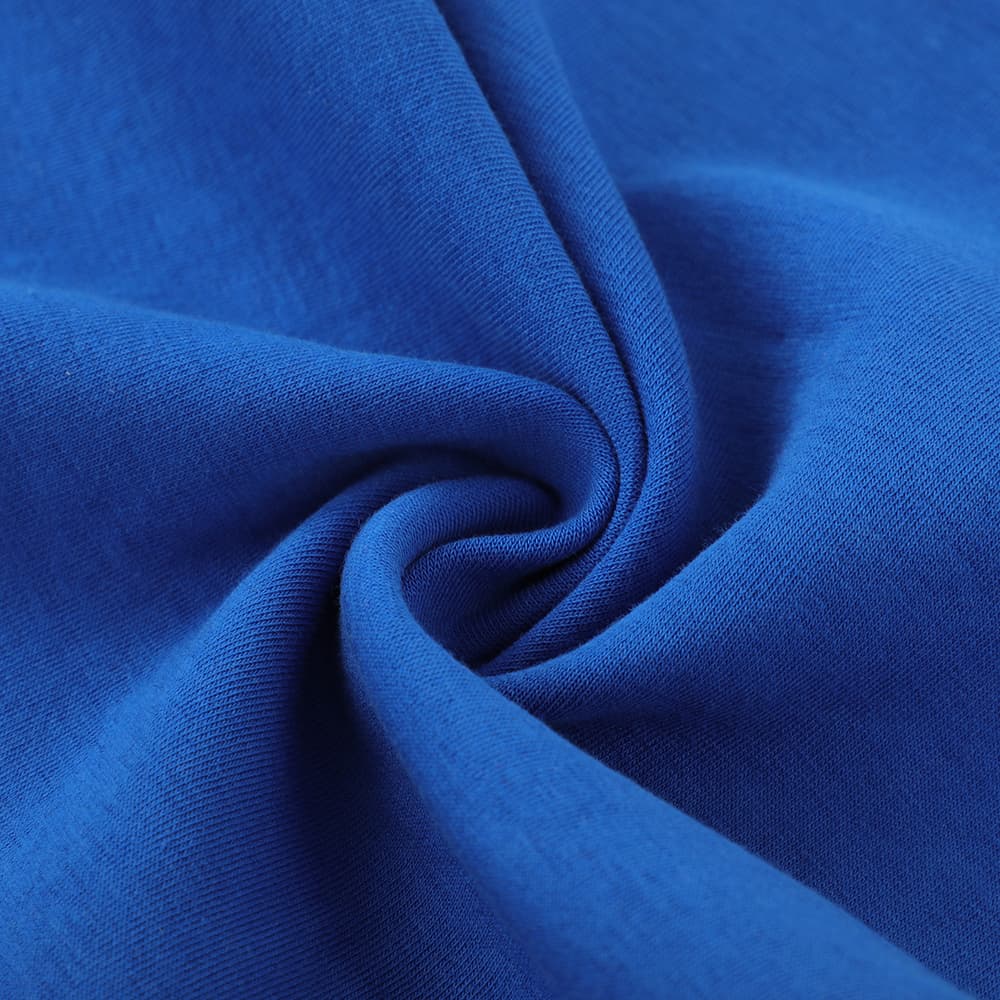
What Makes Mixed Linen Printed Knitted Fabric a Preferred Choice in Modern Textile Applications?
Mixed linen printed knitted fabric has gained significant attention in the textile industry due to its unique combination of natural aesthetics, comfort, and functional versatility. As an emerging category in high-quality fabrics, it bridges the gap between traditional linen’s breathability and the adaptive qualities of knitted structures, creating a material that is both visually appealing and performance-oriented.
At its core, mixed linen printed knitted fabric integrates linen fibers with complementary materials such as cotton, rayon, or other natural and high-performance fibers. This blending process allows manufacturers to optimize fabric properties, achieving a balance between softness, elasticity, durability, and moisture management. Linen’s inherent breathability is preserved, while knitting techniques introduce stretchability and texture variation, enhancing wearability in apparel and home textiles.
Composition and Fiber Blending
The composition of mixed linen printed knitted fabric is fundamental to its functionality. Linen, derived from flax, is prized for its strength, cooling properties, and natural luster. When combined with fibers like cotton or rayon, the resulting fabric inherits the following benefits:
- Improved Hand Feel: Cotton and rayon contribute to softness, reducing linen’s natural roughness.
- Enhanced Drape: Knitting provides natural elasticity, and blended fibers improve the drape for fashion applications.
- Durability and Resilience: High-performance fibers can be incorporated to enhance abrasion resistance and shape retention.
- Moisture Management: Linen’s hydrophilic nature combined with blended fibers ensures effective moisture absorption and quick drying.
Shaoxing Tangsi Textile Co., Ltd. excels in developing mixed linen printed knitted fabrics, leveraging its expertise in natural fiber and high-performance fiber blends. The company operates across the entire production chain—from spinning, weaving, and finishing—ensuring quality control at every stage. This integration enables Tangsi Textile to offer fabrics that meet both aesthetic and functional demands.
Knitting Techniques and Fabric Construction
The knitting structure directly influences the fabric’s elasticity, texture, and visual appeal. Mixed linen printed knitted fabrics can be produced using various knitting techniques, including:
- Single Jersey Knit: Offers a smooth surface with moderate stretch, suitable for casual wear and lightweight garments.
- Rib Knit: Provides higher elasticity and dimensional stability, ideal for cuffs, collars, and form-fitting designs.
- Interlock Knit: Ensures a thicker, more durable fabric with a balanced appearance on both sides, suitable for structured garments or upholstery applications.
Printing adds another layer of versatility. By incorporating patterns, textures, or color effects onto the fabric surface, manufacturers can meet consumer demand for personalization and aesthetic differentiation. Common printing methods for mixed linen knitted fabrics include pigment printing, reactive printing, and digital printing, each offering unique advantages in terms of colorfastness, pattern complexity, and environmental impact.
Functional Advantages of Mixed Linen Printed Knitted Fabric
Mixed linen printed knitted fabric is valued not only for its visual characteristics but also for its functional performance. Some key advantages include:
- Breathability and Comfort: The fabric maintains air circulation, making it suitable for warm climates and active wear.
- Eco-Friendly Attributes: Natural fibers are biodegradable, and many manufacturers, including Shaoxing Tangsi Textile Co., Ltd., prioritize environmentally responsible production processes.
- Versatility: Blended fabrics can be adapted for apparel, home textiles, and specialized products such as eco-friendly upholstery or sustainable fashion collections.
- Shape Retention and Resilience: The knitted construction allows fabrics to stretch without losing form, enhancing longevity in clothing and accessories.
Market Trends and Sustainability
The global textile industry is increasingly prioritizing sustainability, driving the demand for mixed linen printed knitted fabrics. Consumers are seeking materials that combine style, comfort, and environmental responsibility. Linen, being a renewable fiber, aligns perfectly with these trends. Moreover, printing techniques have evolved to reduce water consumption and chemical use, making fabrics more eco-friendly.
Shaoxing Tangsi Textile Co., Ltd. demonstrates leadership in this field by promoting sustainable material development. With a comprehensive inventory of ready goods and diverse fabric ranges, Tangsi Textile can meet varying market demands efficiently, from fashion-forward garments to functional home textiles. The company’s commitment to reducing environmental impact resonates with the broader industry goal of sustainable production.
Application Scope
The versatility of mixed linen printed knitted fabric extends across multiple sectors:
- Apparel: Its softness, breathability, and elasticity make it ideal for casual wear, summer clothing, knit dresses, and activewear.
- Home Textiles: Printed knitted fabrics can enhance aesthetic appeal in bedding, cushion covers, and light upholstery.
- Eco-Friendly Product Lines: The combination of natural fibers and sustainable production aligns with eco-conscious consumer preferences.
The adaptability of mixed linen printed knitted fabrics is further amplified by technological advancements in knitting machinery and digital printing, enabling intricate patterns and consistent quality across large production batches.
Quality Control and Industry Standards
Quality assurance is critical in mixed linen printed knitted fabrics due to the complexity of fiber blends and printed patterns. Shaoxing Tangsi Textile Co., Ltd. oversees every stage of production:
- Fiber Selection: Ensures purity and consistency in raw materials.
- Spinning and Knitting: Controls tension, loop structure, and fabric density for uniform performance.
- Finishing and Printing: Applies treatments that enhance softness, colorfastness, and functional properties.
Maintaining these standards allows for reliable performance across multiple applications, ensuring customer satisfaction and long-term product value.
Conclusion
In conclusion, mixed linen printed knitted fabric represents a sophisticated blend of traditional textile knowledge and modern innovation. Its combination of natural fiber benefits, knitted fabric elasticity, and customizable printed patterns makes it a versatile solution for fashion, home textiles, and sustainable products. Shaoxing Tangsi Textile Co., Ltd. demonstrates its industry leadership by providing comprehensive solutions covering the entire production process, meeting diverse consumer needs while fulfilling environmental responsibilities.