English
 Español
 日本語
日本語 Deutsch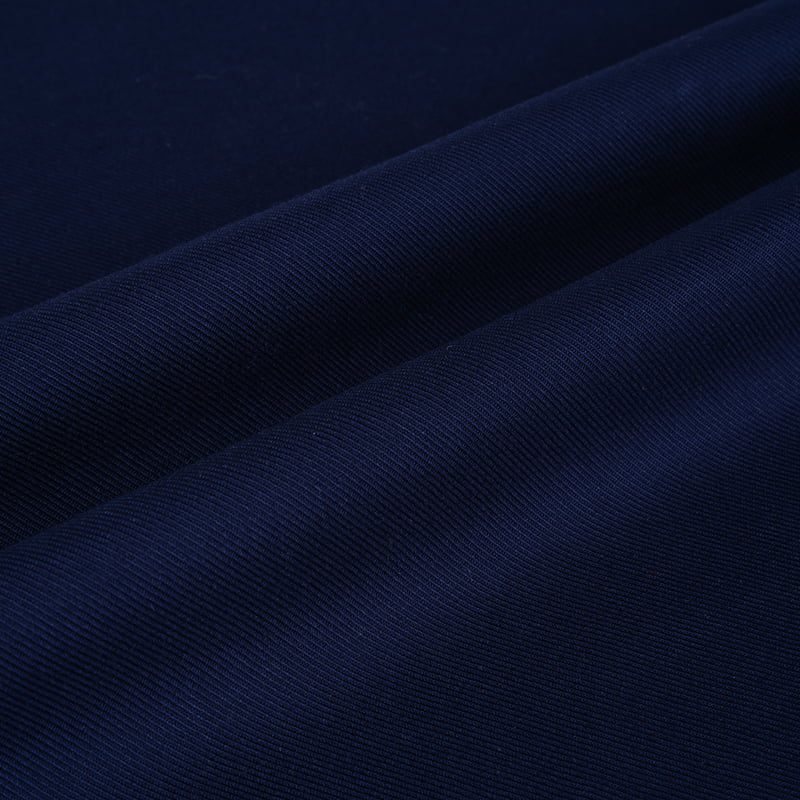
What Makes Dyed Rayon Woven Fabric a Star Performer in the Textile World?
In the dynamic world of textiles, where new fibers and finishes emerge constantly, one material consistently holds its ground: rayon. Specifically, dyed rayon woven fabric has carved out a unique and important niche. It’s a material that combines the best of two worlds, offering the natural comfort of plant-based fibers with the engineered versatility of a man-made process. But what exactly is this fabric, and why is it so highly sought after by designers, manufacturers, and consumers alike? To truly understand its appeal, we have to look at the science and artistry behind its creation, its key properties, and its surprising versatility.
The Science Behind a “Regenerated” Fiber
To appreciate dyed rayon woven fabric, you must first understand rayon itself. Often called “regenerated cellulose fiber,” rayon is not a truly synthetic fiber like polyester, but it’s also not a completely natural one like cotton or silk. Its unique status comes from its source and its production process.
The journey begins with cellulose, a natural polymer found in the cell walls of plants. The most common source for rayon is wood pulp, but it can also be derived from bamboo or other fast-growing botanicals. This raw cellulose is then subjected to a series of chemical treatments. In the most common method, the wood pulp is dissolved into a viscous liquid, a process that regenerates the cellulose into a spinnable form. This liquid is then forced through tiny nozzles called spinnerets, creating fine, continuous filaments. These filaments are then spun into yarn, which is ultimately woven into fabric.
This regeneration process is what gives rayon its signature properties. Unlike the inherently short fibers of cotton, rayon filaments are long and smooth, which contributes to its incredible softness and lustrous sheen. It’s this engineered structure that allows it to mimic the luxurious feel of silk at a fraction of the cost.
A Canvas for Color: The Art of Dyeing Rayon
While the production of the fiber itself is a marvel of textile engineering, the magic of dyed rayon woven fabric truly comes alive during the dyeing process. Rayon’s chemical composition, being highly absorbent and having a strong affinity for water-based dyes, makes it an ideal canvas for color.
The dyeing of rayon is a precise and delicate process. The most common method involves using reactive dyes, which form a chemical bond with the cellulose molecules in the fiber. This bond is what makes the colors so vibrant and long-lasting, resisting fading even after repeated washing. The dyeing can be done at different stages of the textile production—either as loose fibers, as yarn before weaving, or as a finished piece of fabric. The choice of method depends on the desired final effect, from solid, uniform colors to intricate patterns and prints.
For manufacturers, the challenge lies in controlling the dyeing environment. Factors like temperature, pH, and the concentration of the dye bath must be meticulously monitored to achieve the exact shade and colorfastness required. The high absorbency of rayon means it can soak up dye very quickly, which is great for achieving deep, rich colors, but also means any variations in the process can lead to uneven results. Mastering this process is a key differentiator for high-quality textiles.
Key Properties and Applications
The combination of its inherent fiber structure and its affinity for dye gives dyed rayon woven fabric a suite of properties that make it highly desirable for a wide range of applications, particularly in the fashion and home furnishings sectors.
- Exceptional Drape and Flow: The smooth, regenerated filaments of rayon allow the fabric to hang beautifully, conforming to the body and creating elegant, fluid silhouettes. This makes it a top choice for blouses, dresses, skirts, and scarves.
- Breathability and Comfort: Like other cellulosic fibers, rayon is naturally breathable and absorbent. It wicks moisture away from the skin, making it cool and comfortable to wear in warm climates.
- Vibrant Color Retention: As we’ve explored, rayon’s strong affinity for reactive dyes means it can be colored in a vast spectrum of shades, from soft pastels to bold, saturated hues. These colors maintain their brilliance over time, resisting the wash-out that can plague other materials.
- Versatility: Depending on the weave, rayon can be made to look and feel like silk, linen, or even wool. This versatility allows designers to achieve a high-end look and feel with a more accessible and easy-to-care-for material.
It’s important to note, however, that rayon is not without its care considerations. The fiber loses a significant amount of strength when wet, so proper handling during washing is crucial to prevent stretching or damage. Most rayon garments are best hand-washed or machine-washed on a gentle cycle, then air-dried to maintain their integrity.
The Evolution of Rayon and a Sustainable Future
In recent years, the conversation around rayon has evolved to include a crucial new dimension: sustainability. While traditional rayon production has been criticized for its chemical usage and reliance on wood pulp that can contribute to deforestation, the industry is responding with innovative, more eco-friendly solutions.
This is where progressive companies are making a significant impact. They are embracing closed-loop production processes, like the one used for Lyocell, where solvents are recycled and reused, dramatically reducing environmental waste. They are also sourcing their cellulose from certified sustainable forests or from alternative materials like agricultural waste. This push toward responsible manufacturing is transforming the reputation of rayon from a beautiful but chemically intensive fiber into a truly conscious choice for the future.
One company that has been at the forefront of this shift is SHAOXING TANGSILK TEXTILE CO.,LTD., a name that has become synonymous with quality and innovation in the textile industry. Their commitment to exploring and implementing sustainable practices ensures that the beautiful and versatile dyed rayon woven fabric they produce not only meets the highest standards of quality but also aligns with the growing global demand for environmentally conscious materials. By focusing on responsible sourcing and advanced production techniques, they are helping to lead the industry toward a more sustainable future, proving that style and substance can go hand in hand.
In conclusion, dyed rayon woven fabric is far more than just a material; it is a testament to the blend of scientific precision and creative artistry. Its unique properties, from its silk-like drape to its stunning colorfastness, make it an indispensable part of modern textiles. As the industry continues to innovate, this remarkable fabric will only become more refined and more central to the world of fashion and design.