English
 Español
 日本語
日本語 Deutsch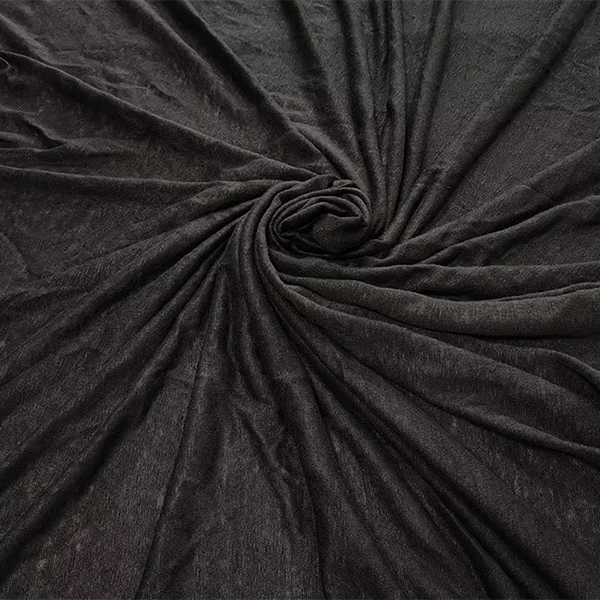

What dyeing methods are best suited for linen jersey knit fabric?
The unique character of linen jersey knit fabrics lies in the harmonious marriage of two distinct textile traditions: the ancient, robust nature of linen fiber and the modern, flexible construction of jersey knitting. This combination results in a material prized for its exceptional breathability, moisture-wicking properties, and comfortable, drapey feel. However, the very properties that make this fabric so desirable—namely the inherent variability of natural flax fibers and the relaxed structure of a knit—present specific challenges in the dyeing process. Achieving consistent, vibrant, and colorfast hues requires a deep understanding of both the raw material and the precise application of dyeing technologies. This article will provide a detailed examination of the dyeing methods best suited for linen jersey knit fabrics, exploring the scientific principles, practical advantages, and technical considerations that define superior coloration outcomes.
The production of high-quality linen knit fabric begins long before it reaches the dyeing vat. It involves the careful selection of high-quality linen raw materials and the use of advanced knitting technology to retain the natural luster and soft touch of the linen fibers, while also giving the fabric a smooth and flat appearance with excellent tensile strength. These pre-dyeing steps are crucial, as they ensure a uniform substrate that will accept dyes evenly and reliably, meeting the modern consumer’s dual demands for aesthetic appeal and performance in a sustainable, natural material.
Understanding the substrate: linen fiber and jersey knit construction
To identify the optimal dyeing methods, one must first understand the substrate. Linen, a bast fiber derived from the flax plant, is composed primarily of cellulose. However, its structure is more crystalline and less amorphous than cotton, meaning it is less absorbent and more resistant to dye penetration. The fiber contains natural impurities like pectins, lignins, and waxes that must be thoroughly removed through a process called scouring to ensure uniform dye uptake. Furthermore, the characteristic “slubs” and slight inconsistencies in the yarn contribute to the aesthetic charm of linen but can lead to differential dye absorption if not managed correctly.
The jersey knit construction adds another layer of complexity. Unlike woven fabrics, knits are inherently elastic and stretchy due their looped structure. This means they are more susceptible to distortion—such as stretching, shrinking, or curling—under the mechanical action and high temperatures of a dyeing machine. Therefore, the chosen dyeing method must be gentle enough to preserve the dimensional stability and hand-feel of the knit while aggressive enough to force dye molecules into the resistant linen fibers. The goal is to achieve a level dyeing result with excellent colorfastness without compromising the fabric’s integrity.
Key considerations in dyeing linen jersey knits
Several non-negotiable factors guide the selection of a dyeing process for these fabrics.
- Colorfastness: This refers to the resistance of a fabric’s color to fading or running. For linen jersey knit fabrics, which are often used in garments that require frequent washing (like t-shirts, dresses, and loungewear), high colorfastness to washing, light, and perspiration is paramount. The dyeing method must facilitate a strong molecular bond between the dye and the cellulose fiber.
- Levelness: An even, uniform color across the entire fabric batch is a primary marker of quality. Uneven dyeing, often called “barre,” can be caused by inconsistencies in the fiber, improper pre-treatment, or faulty dyeing machinery. The method must ensure thorough and consistent circulation of the dye liquor.
- Fabric Hand: The process must not degrade the soft, supple, and slightly dry hand feel that is characteristic of premium linen knit fabric. Harsh chemical treatments or excessive mechanical agitation can harden the fabric or cause excessive pilling.
- Environmental Impact: With increasing focus on sustainability, the ecological footprint of the dyeing process is a major concern. This includes water consumption, energy usage, and the handling of chemical effluents. Methods that reduce water, chemical, and energy consumption are highly preferred.
- Dimensional Stability: The process must control and minimize shrinkage and distortion of the knit structure, ensuring the final product meets specified size requirements.
Pre-treatment: the foundation of successful dyeing
Before any dye is introduced, meticulous pre-treatment is essential. This stage is arguably as important as the dyeing itself for linen jersey knit fabrics.
- Scouring: This alkaline bath removes the natural non-cellulosic impurities from the linen fibers, as well as any knitting oils or coning lubricants applied during yarn manufacture. Effective scouring is critical for achieving uniform wettability, which is the foundation of level dyeing.
- Bleaching: While natural linen’s classic ecru or oatmeal shade is popular, many applications require a brighter, whiter base for accurate and vibrant colors. Bleaching with hydrogen peroxide or other oxidizing agents lightens the natural hue of the flax. This process must be carefully controlled to avoid damaging the cellulose chains and weakening the fabric.
- Mercerization (Optional but Beneficial): While more common for woven linens and cottons, mercerization can be applied to knits. It involves treating the fabric under tension with a concentrated sodium hydroxide solution. This treatment swells the fiber, increases its luster, improves its strength, and, most importantly, dramatically enhances its dye affinity and uptake. For linen jersey knit fabrics, a controlled, relaxed mercerization can significantly improve color yield and vibrancy.
A company involved in all stages of production, from spinning and weaving to finishing, can ensure these pre-treatment steps are optimized for their specific fabrics, leading to a superior dyeing result.
Optimal dyeing methods for linen jersey knit fabrics
Given the specific needs of the substrate, certain dyeing methods have proven to be superior.
1. Exhaust Dyeing (Beck Dyeing)
Exhaust dyeing, often performed in machines like becks, jets, or overflow softflow machines, is the most prevalent method for knits. The fabric is transported through the dye liquor in a relaxed, rope form, minimizing tension.
- Jet Dyeing Machines: This is often considered the best machinery for dyeing linen jersey knit fabrics. The fabric loop is circulated through a tube by a jet of dye liquor. This action is gentle on the knit structure, preventing creasing and distortions while ensuring the dye is forcefully penetrated into the fibers. The enclosed system allows for high-temperature dyeing, which is necessary for many dye classes, and reduces water consumption compared to open becks.
- Softflow Dyeing Machines: An evolution of the jet dyeer, softflow machines use a lower liquor ratio and a more gentle flow to transport the fabric. This is excellent for preserving the soft hand feel of delicate knits while still achieving excellent dye penetration and levelness.
2. The choice of dye class
The selection of dye chemistry is equally important as the machinery.
- Reactive Dyes: This is the gold standard for dyeing cellulosic fibers like linen. Reactive dyes form a covalent chemical bond with the cellulose molecule, making them part of the fiber itself. This results in exceptional colorfastness properties, a very wide range of bright and vibrant colors, and good wash-fastness. The process requires an alkaline environment and salt to promote exhaustion and fixation. For linen jersey knit fabrics, reactive dyes provide the depth of shade and durability that consumers expect from high-quality apparel.
- Vat Dyes: Known for their outstanding fastness to light and washing, vat dyes are another excellent option, particularly for darker, more subdued shades where maximum durability is required. The dyeing process is more complex, involving a reduction step to make the dyes soluble before dyeing and an oxidation step after to fix them inside the fiber. While potentially more expensive and environmentally taxing, they offer unparalleled performance.
- Natural Dyes (For Niche Applications): While not common for large-scale production due to issues with reproducibility and colorfastness, natural dyes can be used to create unique, earthy color palettes that appeal to a specific market segment seeking ultra-natural products. Mordants are required to fix these dyes to the linen fiber, and fastness can be variable.
The following table summarizes a comparison of the primary dye classes used for this fabric:
| Dye class | Key advantage | Key disadvantage | Best for |
|---|---|---|---|
| Reactive dyes | Excellent colorfastness, wide color range, bright shades | Higher water and salt consumption in traditional processes | The vast majority of applications requiring vibrant, durable colors |
| Vat dyes | Superior fastness to light and washing | Complex process, higher cost, environmental concerns with chemicals | Workwear, luxury items where maximum durability is paramount |
| Natural dyes | Sustainable appeal, unique aesthetic | Poor color reproducibility, generally lower colorfastness | Niche, artisanal markets where a natural story is central |
Post-dyeing processes: finishing the look
After dyeing, several finishing steps are crucial to finalize the fabric’s properties.
- Washing-Off: This critical step removes any hydrolyzed dye (dye that did not react with the fiber) and excess chemicals from the fabric. Inadequate washing-off will lead to poor wash-fastness and crocking (rubbing off of color).
- Softening: To counter any harshness imparted by the dyeing process and to enhance the natural comfort of the fabric, softeners are applied. These can be cationic, anionic, or silicone-based, each offering a different type of softness, drape, and smoothness.
- Drying and Finishing: The fabric is then dried under controlled tension to achieve the desired width and GSM (grams per square meter). Compacting is a common finishing process for knits that helps to pre-shrink the fabric and enhance its dimensional stability, a critical quality for garment manufacturers.
The role of sustainability and innovation
The modern textile industry is increasingly driven by innovation aimed at reducing environmental impact. For a company committed to promoting the development of the environmental protection material industry chain, adopting advanced dyeing technologies is essential.
- Low-Liquor-Ratio Dyeing: Modern jet and softflow machines operate at very low liquor ratios (the ratio of water weight to fabric weight), significantly reducing water and chemical consumption.
- Bifunctional Reactive Dyes: These advanced dyes have a higher fixation rate, meaning more dye bonds to the fiber and less is washed down the drain as effluent. This reduces pollution and improves cost-effectiveness.
- Digital Printing: While not a dyeing method per se, digital printing is an emerging technology for applying color to fabrics like linen jersey knit. It uses inkjet technology to apply dyes precisely, creating patterns with virtually no water waste and minimal setup. It is ideal for small batches, sampling, and complex designs.