English
 Español
 日本語
日本語 Deutsch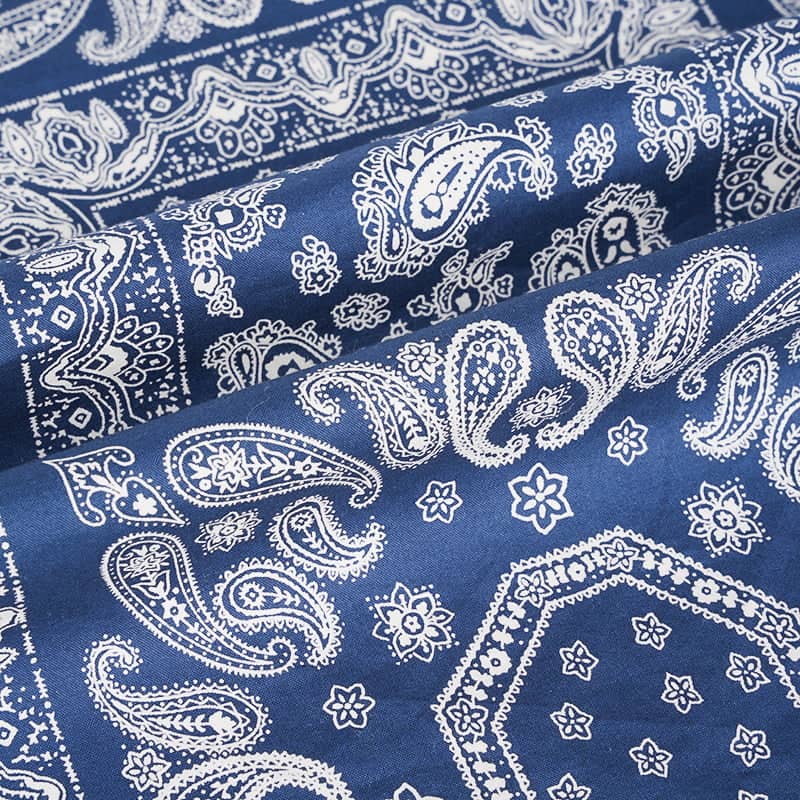
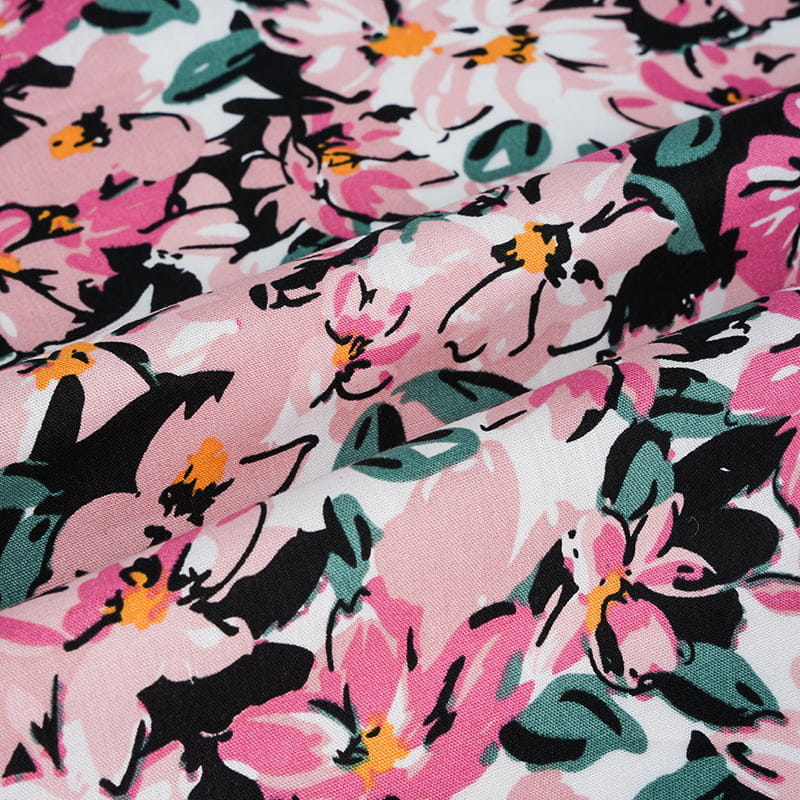
The Art and Science of Printed Cotton Woven Fabric: What Makes It a Textile Powerhouse?
Have you ever wondered about the journey of that beautiful floral dress or the vibrant patterned shirt you own? Beyond just a simple piece of clothing, there’s a fascinating world of textile engineering and design that goes into creating printed cotton woven fabric. This material is a staple in the global textile industry, cherished for its breathability, durability, and endless creative possibilities. But what exactly makes this fabric so versatile and widely used, and what are the intricate processes behind its creation?
Understanding the Foundation: Cotton and Woven Structures
To truly appreciate printed cotton woven fabric, we must first understand its two core components: cotton and the weaving process. Cotton, a natural fiber harvested from the cotton plant, is renowned for its softness, absorbency, and hypoallergenic properties. It’s an ideal canvas for printing because its fibers readily accept dyes and pigments, allowing for vivid and long-lasting colors.
The second half of the equation is the woven structure. Unlike knits, which are made by interlocking loops of yarn, woven fabrics are created by interlacing two sets of yarn at right angles on a loom. The vertical yarns are called the warp, and the horizontal yarns are the weft. This interlacing creates a stable and strong fabric that doesn’t stretch easily, making it perfect for structured garments, home decor, and various industrial applications. Common woven structures for cotton include plain weave, twill, and satin. Each of these weaves has a distinct texture and drape, influencing the final look and feel of the printed fabric.
The Science of Printing: From Screen to Digital
The magic of printed cotton woven fabric lies in the application of patterns and designs. This process has evolved significantly over the centuries, from rudimentary block printing to the sophisticated methods used today.
Screen printing is one of the most traditional and widely used techniques. In this process, a stencil (or screen) is used to apply ink or dye onto the fabric. Each color in a design requires a separate screen, which is meticulously prepared by coating a mesh with a photosensitive emulsion and then exposing it to light with the pattern. The areas of the screen that are protected from light remain open, allowing the ink to pass through. The process is highly effective for bold, simple designs and for large production runs. It offers excellent color vibrancy and durability.
Rotary screen printing is a high-speed, continuous version of flatbed screen printing. Instead of flat screens, the design is etched onto cylindrical screens that rotate as the fabric moves underneath. This method is ideal for producing large quantities of fabric with repetitive patterns quickly and efficiently.
Digital printing represents the cutting edge of textile technology. Similar to an inkjet printer for paper, digital textile printers apply ink directly onto the fabric in a precise, non-contact manner. This method offers unparalleled design freedom, allowing for complex, photographic-quality images with an infinite number of colors. It is especially well-suited for short production runs, custom designs, and prototypes, as it eliminates the need for expensive screens and reduces waste. The inks used in digital printing are specifically formulated for cotton, often requiring post-printing heat treatments or steaming to fix the colors and ensure they are wash-fast.
Dyes and Pigments: The Chemistry of Color
The choice between using dyes or pigments is a critical factor in the production of printed cotton woven fabric.
Dyes are colorants that chemically bond with the fabric fibers. Reactive dyes are a popular choice for cotton because they form strong covalent bonds with the cellulose molecules in the cotton fiber, resulting in excellent wash-fastness and vibrant, saturated colors. However, using dyes often requires a multi-step process, including pre-treatment, steaming, and post-printing washing to remove unfixed dyes and chemicals.
Pigments, on the other hand, are insoluble color particles that are held onto the surface of the fabric using a binder. Pigment printing is a simpler process that doesn’t require a lot of water and extensive post-processing. While pigments can be less vibrant than dyes, modern advancements have significantly improved their color range and durability. They are a more environmentally friendly option in many cases due to reduced water and energy consumption.
The Role of Finishing and Quality Control
After printing, the fabric undergoes a series of finishing processes to enhance its properties and prepare it for commercial use. This can include heat-setting, steaming, and various chemical treatments to improve color fastness, shrinkage resistance, and overall feel. For instance, a fabric might be given a softening finish to improve its drape or a wrinkle-resistant finish for practical wear.
Quality control is paramount at every stage. From the initial inspection of the raw cotton yarn to the final printed product, checks are performed for consistency in color, pattern registration, and fabric defects. This meticulous attention to detail ensures that the final printed cotton woven fabric meets the high standards required by designers and consumers worldwide. The production of a beautiful and high-quality printed textile is a collaborative effort that requires a deep understanding of fibers, chemistry, and engineering. It’s this intricate combination of art and science that companies, such as SHAOXING TANGSILK TEXTILE CO.,LTD., have mastered, allowing them to create fabrics that are not only visually stunning but also durable and reliable. The next time you see a beautifully patterned cotton garment, you can appreciate the complex journey it took from a raw fiber to a finished product, a journey built on innovation and expertise.
Why Printed Cotton Woven Fabric is More Than Just a Trend
The enduring popularity of printed cotton woven fabric is not just about aesthetics; it’s about its inherent properties and versatility. This fabric is a global workhorse, used in a vast array of products. In fashion, it’s the go-to for everything from breezy summer dresses and casual shirts to children’s clothing and structured trousers. Its breathability makes it ideal for warm climates, while its durability ensures longevity.
Beyond apparel, it finds its way into home textiles, transforming living spaces with vibrant curtains, upholstery, and bed linens. Its absorbency makes it perfect for towels and kitchen textiles, while its strength is utilized in various industrial applications like bags and canvas. The ability to print virtually any design onto this stable and comfortable base makes it a designer’s dream. Whether it’s a classic polka dot, a complex paisley, or a bespoke artistic creation, printed cotton woven fabric can bring any vision to life. This blend of natural comfort, structural integrity, and limitless design potential solidifies its place as a cornerstone of the modern textile industry, ensuring its relevance for years to come.