English
 Español
 日本語
日本語 Deutsch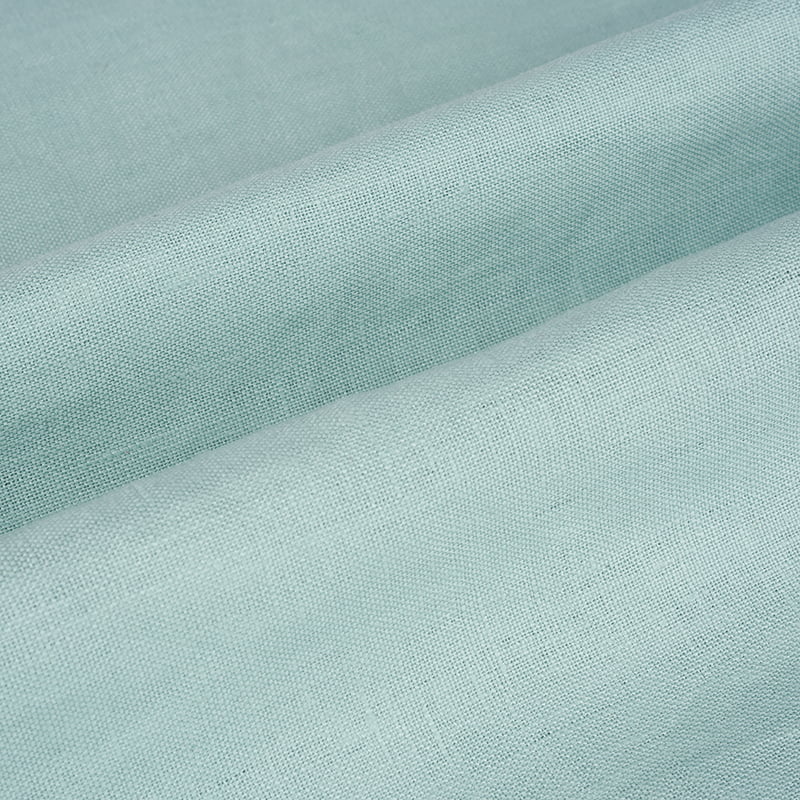
What are the different types of weaves available in dyed linen woven fabric?
Introduction: The art of structure and color
The world of textiles is built upon a foundation of interlacing threads, a simple concept that gives rise to an astonishing array of textures, strengths, and aesthetic appeals. When this fundamental principle is applied to a noble fiber like linen, and further enhanced through the art of dyeing, the result is a category of material renowned for its beauty, performance, and versatility: dyed linen woven fabric. This fabric is not a monolith; its character is profoundly defined by the specific weaving technique employed. The weave structure dictates not only the visual and tactile identity of the cloth but also its functional properties, including its durability, drape, breathability, and how it interacts with light and color. Understanding these different weaves is essential for designers, manufacturers, and informed consumers to select the perfect material for any application, from high-fashion garments to durable home furnishings.
The creation of premium dyed linen woven fabric is a meticulous process that begins long before the loom is threaded. It requires a commitment to quality at every stage, from the sourcing of raw flax fibers to the final finishing processes. Manufacturers dedicated to this craft, such as those involved in the extensive production of natural textiles, operate with integrated control over the entire production chain. This includes spinning, weaving, and, critically, the dyeing and finishing stages. This vertical integration ensures that the inherent qualities of linen—its exceptional breathability, moisture-wicking capabilities, and natural antibacterial properties—are not only preserved but enhanced. The dyeing process itself is a focus of significant technical attention, particularly concerning color fastness. Through specific finishing treatments, a stronger bond is formed between the dye molecules and the linen fibers, ensuring that the vibrant or subtle hues remain stable through wear and washing, thereby enhancing the fabric’s overall durability and value.
Chapter 1: The foundation - plain weave and its variations
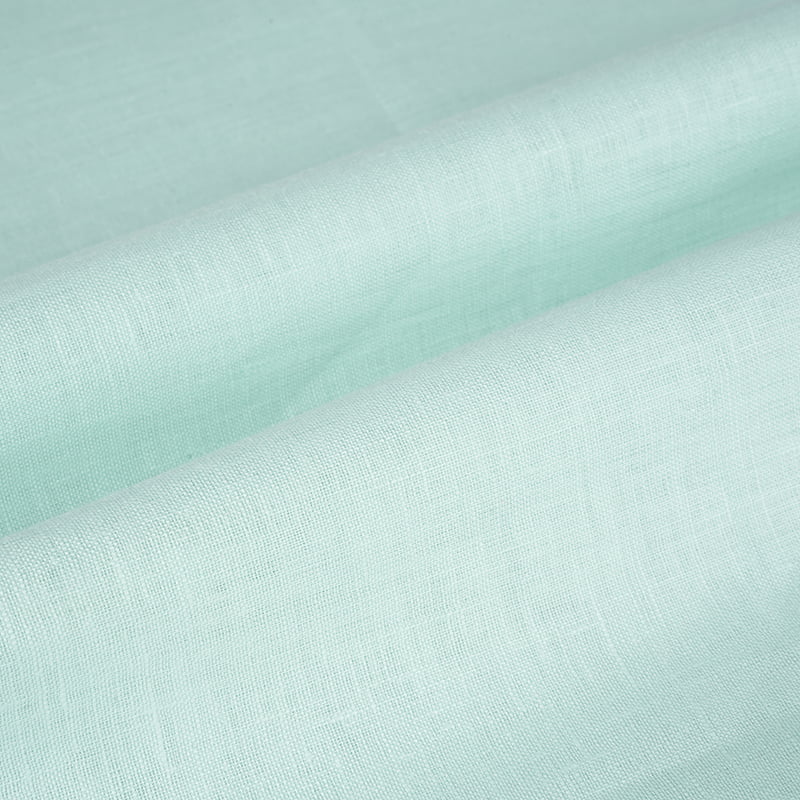
The plain weave is the simplest and most common of all weave structures, forming the bedrock of textile production. Its construction is straightforward: the weft yarn passes over one warp yarn and under the next, repeating this pattern in each successive row, with each row alternating its starting point. This creates a tight, uniform, and durable grid-like structure. In the context of linen fabric, the plain weave takes on specific characteristics that make it incredibly popular.
The primary advantage of plain weave dyed linen woven fabric is its strength and stability. The high number of interlacings per square inch prevents the yarns from shifting excessively, resulting in a fabric that is less prone to snagging and fraying. This makes it an excellent choice for items that require durability, such as structured garments, upholstery, and table linens. Furthermore, the relatively flat surface of a plain weave provides an ideal canvas for dyeing. The color appears even and consistent, allowing the natural texture of the linen yarn—its characteristic slubs and irregularities—to be visible without distortion, celebrating the organic nature of the fiber.
However, the simplicity of the plain weave also presents some limitations. It can be less pliable than other weaves, resulting in a stiffer drape, especially in heavier weights. It also has a tendency to wrinkle more pronouncedly, a trait that many embrace as part of linen’s natural charm but which can be a consideration for certain applications.
Several important variations of the plain weave have been developed to address these limitations and create new aesthetic effects:
-
Balanced plain weave: This is the standard form, where the warp and weft yarns are of the same weight and sett (ends per inch), creating a perfectly symmetrical fabric. This is common in lightweight linen apparel and handkerchief linen.
-
Basket weave: A derivative of the plain weave, the basket weave involves two or more warp yarns interlacing with two or more weft yarns as a single unit. For example, a 2x2 basket weave has two warp yarns passing over two weft yarns. This construction creates a more relaxed, checkerboard-like texture that is slightly more flexible and less dense than a standard plain weave. It is often used for a softer hand feel in dyed linen woven fabric intended for casual shirts and relaxed furnishings.
-
Oxford weave: Originally developed for shirting fabrics, the Oxford weave is a type of basket weave that typically uses a finer yarn for the warp and a heavier yarn for the weft. This results in a fabric with a distinctive pebbled texture, renowned for its strength, softness, and resistance to wrinkling. When executed in linen, it creates a robust yet comfortable shirting fabric with a unique visual appeal.
The enduring popularity of plain weave and its variations lies in its versatility and reliability. It is the workhorse of the linen industry, providing a dependable foundation for a vast range of products that leverage the natural benefits of the dyed linen woven fabric.
Chapter 2: The diagonal line - twill weave
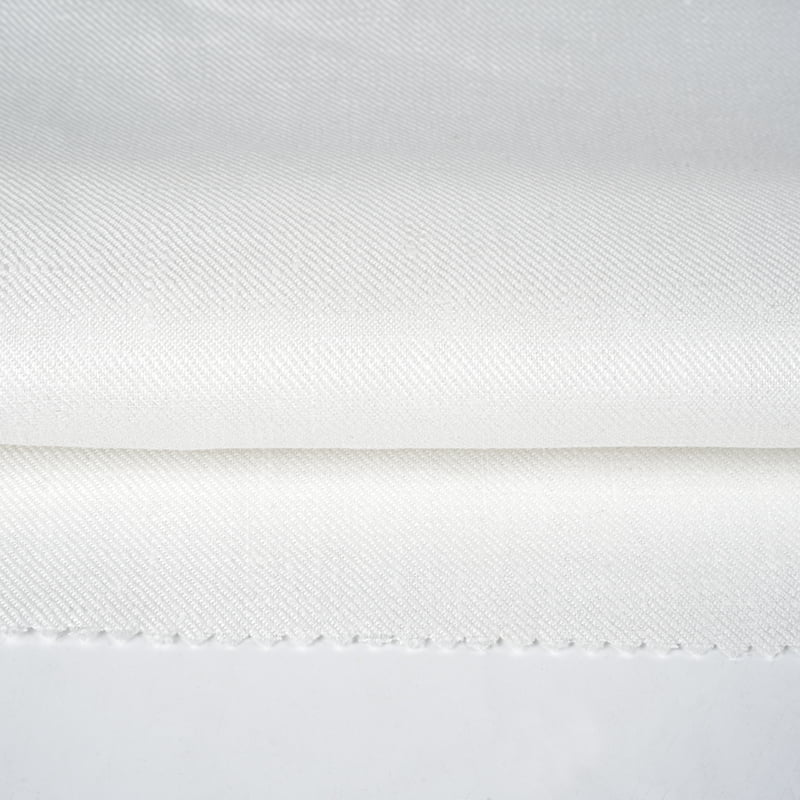
The twill weave is instantly recognizable by its distinctive diagonal rib pattern. This pattern is created by a weaving technique where the weft yarn passes over one or more warp yarns and then under two or more warp yarns, with this sequence staggered by one yarn in each subsequent row. This offset creates the characteristic diagonal line. The angle and prominence of this line can be altered by changing the ratio of interlacings (e.g., a 2/1 twill or a 3/1 twill).
Twill weaves offer several functional advantages that make them highly desirable for dyed linen woven fabric. Firstly, they are inherently more pliable and fluid than plain weaves. The longer float lengths—the segments of yarn that travel unbound over multiple threads—reduce the number of interlacings, giving the fabric a softer hand and a superior drape. This makes twill weaves ideal for garments that require movement and flow, such as dresses, trousers, and jackets.
Secondly, twill fabrics are generally more durable and resistant to wrinkling. The diagonal structure distributes stress across a greater number of yarns, making the fabric more resilient to abrasion and wear. This durability, combined with its elegant appearance, makes dyed linen twill a premium choice for high-end apparel and heavy-duty upholstery applications.
The way twill weaves interact with dye and light is also noteworthy. The diagonal ribs create a play of light and shadow, giving the dyed linen woven fabric a depth of color that a flat plain weave cannot achieve. The surface can appear to change hue slightly depending on the angle of view, adding a dynamic quality to the material.
Common types of twill weaves include:
- Right-hand twill: The diagonal line runs from the lower left to the upper right.
- Left-hand twill: The diagonal line runs from the lower right to the upper left.
- Broken twill: The direction of the diagonal is reversed at regular intervals, creating a zigzag or herringbone pattern (which will be discussed in detail later).
- Gabar dine: A steep, pronounced twill weave, often made with a high thread count, known for its weather resistance and firmness.
The introduction of a twill weave elevates dyed linen woven fabric into a realm of sophisticated texture and enhanced performance, making it a favorite for applications where aesthetics and function must seamlessly merge.
Chapter 3: Complexity and texture - satin and sateen weaves
Satin weaves are the most complex of the three fundamental weaves and are designed to create a fabric with a supremely smooth, lustrous, and unbroken surface. This effect is achieved by allowing warp yarns to “float” over four or more weft yarns before interlacing under one. These long floats are distributed in a staggered pattern that minimizes the visibility of the interlacing points to the naked eye. When the float yarns are on the warp side, it is called a satin weave. When the float yarns are on the weft side, it is often called a sateen weave.
The most immediate characteristic of a satin weave dyed linen woven fabric is its glorious sheen and incredibly soft, almost slippery hand feel. The long floats of yarn on the surface reflect light uniformly, creating a luminous quality that is highly prized in luxury applications. This makes it an exquisite choice for evening wear, elegant drapery, and high-quality bedding. The smooth surface also has practical benefits; it is less likely to catch or snag on rough surfaces compared to more textured weaves.
However, these long floats also represent a vulnerability. They can be susceptible to abrasion, and if a yarn is broken, it can lead to a “run” in the fabric. Therefore, satin weaves in linen are often made with high-quality, long-staple fibers and high thread counts to maximize strength and durability. The dyeing process for satin weaves must be exceptionally controlled to ensure that the color is absorbed evenly across these long floats to maintain the fabric’s flawless appearance. The resulting color fastness and rich, deep coloration are hallmarks of a well-made linen satin.
While linen is not naturally as lustrous as silk or mercerized cotton, the satin weave unlocks a hidden elegance within the fiber. It transforms the rustic, earthy reputation of linen into one of refined luxury, proving the incredible versatility of dyed linen woven fabric. It demonstrates how the choice of weave can fundamentally alter the personality of the base fiber, catering to a market that seeks both the natural breathability of linen and a opulent visual and tactile experience.
Chapter 4: The patterned weaves - dobby and jacquard
Moving beyond the basic weaves, we enter the realm of patterned weaves, where complex designs are directly woven into the structure of the dyed linen woven fabric. The two primary methods for achieving this are dobby and jacquard weaving, each offering different levels of design complexity.
Dobby weaves are characterized by small, geometric, and repeating patterns woven into the fabric. These patterns, such as dots, squares, diamonds, and meandering lines, are created by a special attachment on the loom that selectively raises and lowers a limited number of warp yarns. The key limitation of a dobby loom is the number of harnesses it controls, which restricts the size and complexity of the pattern repeat.
The beauty of dyed linen woven fabric with a dobby weave lies in its subtle texture. Unlike a printed pattern that sits on the surface, a dobby pattern is structural and integral to the cloth. This creates a sophisticated, tactile surface that plays with light and shadow. The patterns add visual interest without compromising the inherent properties of the linen, such as its moisture-wicking and breathability. Dobby weaves are frequently used in shirting fabrics, lightweight apparel, and decorative home textiles to add a dimension of refined detail.
Jacquard weaves represent the pinnacle of weaving complexity. Utilizing a specialized jacquard loom, which can control individual warp yarns independently, weavers can create intricate, large-scale, and non-repeating patterns directly into the fabric. Elaborate florals, detailed landscapes, and complex pictorial designs are all possible with jacquard weaving. This technique allows for an incredible level of artistry and customization in dyed linen woven fabric.
The interaction between weave and dye in jacquard fabrics is particularly fascinating. Often, different weave structures (e.g., satin for the pattern and plain for the background) are combined within the same fabric. Because different weaves absorb dye slightly differently, this can create a tone-on-tone effect where the pattern is visible due to its contrasting luster or texture, even within a single-color dyed linen woven fabric. This is known as a “damask” effect. Of course, jacquard looms can also be used with multiple colored yarns to create brilliantly colored designs.
The production of jacquard dyed linen woven fabric requires significant expertise and investment, making it a premium product. It is used for luxury upholstery, high-end drapery, artistic wall coverings, and exclusive fashion garments. It stands as a testament to the fact that linen is not just a casual fiber but a medium for high textile art.
Chapter 5: The timeless classics - herringbone and hopsack
While many weaves exist, two patterns have achieved such enduring popularity and distinct identity that they warrant individual examination: herringbone and hopsack.
Herringbone is a variant of the twill weave, specifically a broken twill. Its pattern is characterized by a distinctive V-shaped weaving pattern that resembles the skeleton of a herring fish. This is achieved by periodically reversing the direction of the twill diagonal. The result is a zigzag pattern that is dynamic and visually arresting. Herringbone has a long history, famously used in Roman road paving and traditional tweed fabrics.
In dyed linen woven fabric, the herringbone pattern adds a layer of classic sophistication and robust texture. The broken pattern helps to disguise stains and wrinkles better than a straight twill, adding to its practical appeal. The texture is highly tactile, providing excellent interest for suiting fabrics, blazers, outerwear, and heavy-duty upholstery projects. The interplay of light across the angled facets of the weave gives the dyed color a remarkable depth and complexity. A deep blue or a warm burgundy in a linen herringbone weave possesses a visual richness that is both traditional and contemporary.
Hopsack, also known as basket weave, is a derivative of the plain weave as previously mentioned, but it is so prevalent it deserves its own highlight. Typically a 2x2 construction (two warp yarns weaving over two weft yarns), hopsack creates a slightly open, checkerboard-like texture that is breathable and has a distinctive nubby feel.
The primary advantages of hopsack dyed linen woven fabric are its relaxed aesthetic and enhanced breathability. The slightly more open structure allows for greater air circulation, making it an outstanding choice for warm-weather sportswear, blazers, and lightweight suiting. Its casual, yet refined, appearance has made it a staple in summer tailoring. The fabric has a dry hand and a degree of rigidity that provides a garment with good structure without sacrificing comfort. The dye uptake is even, and the simple structure ensures excellent color fastness, making the color appear vibrant and clear against the textured background.
Both herringbone and hopsack weaves demonstrate how specific, time-honored patterns continue to resonate within modern textile design, offering unique aesthetic and functional properties that enrich the portfolio of available dyed linen woven fabric.
Chapter 6: Selecting the right weave for the application
The knowledge of different weaves moves from academic to critically practical when selecting the appropriate dyed linen woven fabric for a specific end-use. The choice of weave will directly influence the performance, aesthetics, and longevity of the final product. The following table provides a guideline for matching weave types to common applications.
| Application | Recommended Weaves | Key Reasons for Recommendation |
|---|---|---|
| Lightweight Apparel (blouses, shirts, dresses) | Plain, Batiste, Oxford, Dobby | Breathability, soft drape, light weight, subtle texture for visual interest. |
| Structured Apparel (suits, blazers, trousers) | Twill, Herringbone, Hopsack | Good durability, resistance to wrinkling, excellent drape, and sophisticated texture. |
| Upholstery | Plain, Twill, Herringbone | High durability, abrasion resistance, structural integrity, and ability to hide soil. |
| Drapery & Curtains | Plain, Satin, Jacquard | Drape quality, light filtration (plain), light reflection (satin), and decorative appeal (jacquard). |
| Table Linens | Plain, Dobby | Durability, stain resistance (can be treated), stability, and a classic, clean appearance. |
| Bed Linens | Plain, Sateen | Breathability, soft hand feel (sateen), moisture-wicking, and comfort against the skin. |
| Technical & Eco-Textiles | Plain, Twill | Strength, durability, and a stable base for functional finishes (e.g., water resistance). |
Beyond the application, several other factors must be considered in tandem with the weave selection:
- Weight (GSM): The weight of the fabric will override the weave’s inherent drape. A heavy plain weave will be stiffer than a lightweight twill.
- Yarn Thickness: Fine yarns can create a delicate, fluid fabric in almost any weave, while thicker yarns will emphasize the texture and structure of the weave.
- Finishing Processes: Post-weaving finishes like pre-washing, softening, or calendering can dramatically alter the hand feel, drape, and wrinkle resistance of a dyed linen woven fabric, potentially mitigating some of a weave’s inherent characteristics or enhancing others.
Therefore, the most informed decisions are made by considering the weave structure not in isolation, but as one integral component of the fabric’s overall character, working in concert with yarn quality, weight, and finish.
Chapter 7: The interplay of dyeing and weaving
The processes of dyeing and weaving are deeply interconnected in the creation of high-quality dyed linen woven fabric. The sequence in which these operations occur—whether the yarn is dyed before weaving (yarn-dyeing) or the fabric is dyed after weaving (piece-dyeing)—has profound implications for the final appearance and performance of the material.
Yarn-dyeing involves dyeing the spools of warp and weft yarns before they are placed on the loom. This method is essential for creating patterns like stripes, checks, plaids, and intricate jacquard designs where multiple colors are required within the weave structure itself. The primary advantage of yarn-dyed linen fabric is superior color fastness. Because the dye penetrates the individual yarns before the tension of weaving is applied, the color is often more locked-in and resistant to fading. Fabrics like chambray, gingham, and tartan are all examples of yarn-dyed fabrics where the pattern is woven, not printed.
Piece-dyeing is the process of dyeing an entire bolt of grey (undyed) woven fabric after the weaving process is complete. This is the most common and economical method for producing solid-color dyed linen woven fabric. It offers tremendous flexibility, allowing manufacturers to dye fabric to specific color standards on demand. The final color result can be influenced by the weave structure. For instance, a satin weave with long floats may present a more intense, lustrous color, while a dense plain weave might absorb the dye to create a rich, matte finish. The critical focus in piece-dyeing is on achieving level, even dyeing throughout the piece and ensuring that the finishing processes maximize color fastness to light and washing.
A third method, solution dyeing, where pigment is added to the fiber spinning solution itself, is less common with natural fibers like linen but is used for synthetic blends to achieve exceptional fade resistance.
The choice between yarn-dyeing and piece-dyeing is a fundamental one that dictates the design possibilities, cost structure, and performance characteristics of the final dyed linen woven fabric. Manufacturers with control over both weaving and dyeing operations can expertly navigate these choices to produce exactly the right fabric for the market’s needs, ensuring that the color is not merely a surface coating but an integral part of the textile’s identity.