English
 Español
 日本語
日本語 Deutsch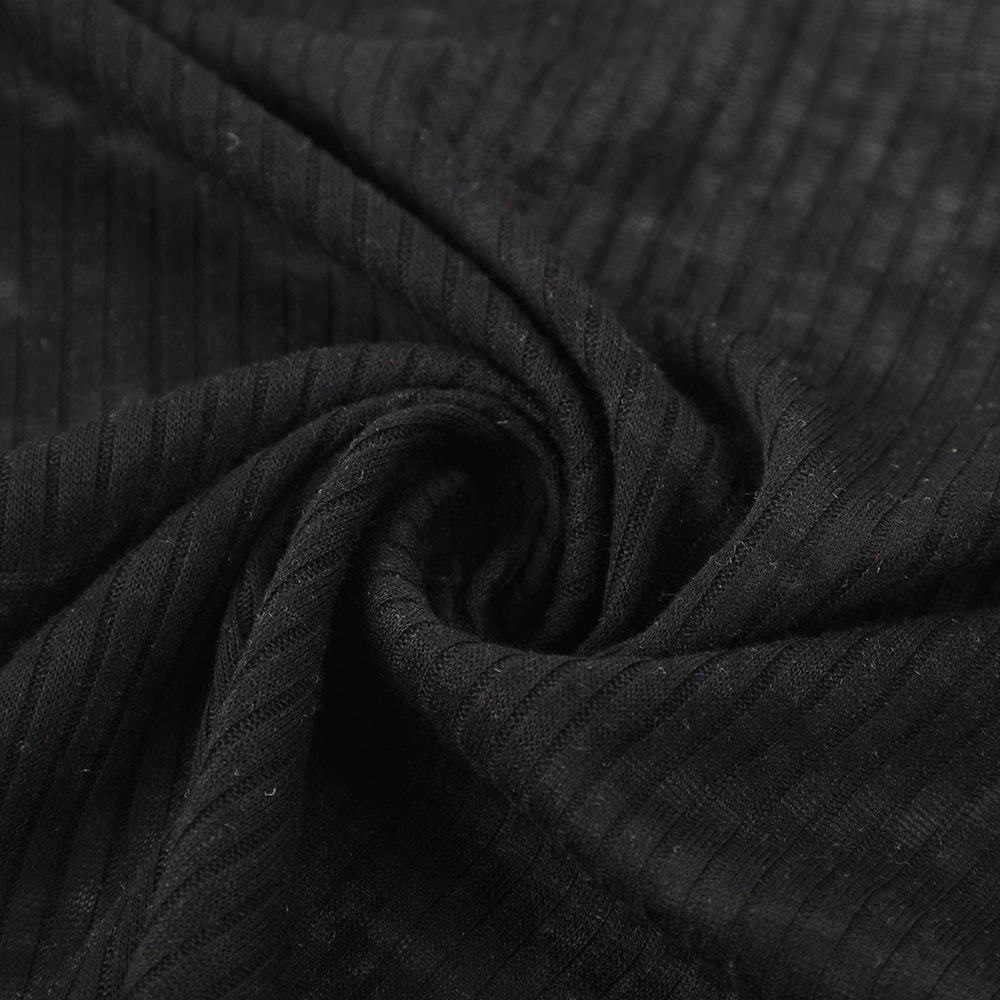
Why Is Rayon Spandex P/D Knitted Fabric a Game-Changer in Modern Textile Applications?
Rayon spandex P/D knitted fabric has emerged as a pivotal material in the textile industry, bridging the gap between comfort, aesthetics, and performance. This fabric, blending the natural softness and breathability of rayon with the elasticity of spandex, offers a unique combination of stretch, drape, and durability, making it ideal for a wide spectrum of applications ranging from apparel to technical textiles. Unlike conventional fabrics, rayon spandex P/D knitted fabric provides superior comfort, adaptability, and design flexibility, which is increasingly demanded by consumers who prioritize both function and style.
Composition and Structure of Rayon Spandex P/D Knitted Fabric
The fundamental composition of rayon spandex P/D knitted fabric involves a carefully balanced ratio of rayon fibers and spandex. Rayon, a semi-synthetic fiber derived from cellulose, contributes excellent moisture absorption, softness, and a smooth hand feel. Its natural origin allows it to mimic the properties of cotton or silk while offering a cost-effective solution for large-scale production. Spandex, on the other hand, imparts significant stretchability and recovery, which ensures that garments retain their shape even after repeated use.
P/D (Piece Dyed) knitting refers to the process where the fabric is dyed after being knitted, as opposed to yarn-dyeing. This method allows for precise color matching and consistency across batches. Furthermore, P/D knitted fabrics often exhibit superior colorfastness and vibrancy compared to other dyeing techniques. The knitting structure itself—typically jersey, interlock, or rib knits—affects the fabric’s elasticity, thickness, and drape, providing manufacturers with a wide range of design possibilities.
Functional Advantages
Rayon spandex P/D knitted fabric offers several functional benefits that distinguish it from other knitted fabrics:
- Stretch and Recovery: Thanks to the inclusion of spandex, the fabric stretches comfortably while returning to its original shape, making it ideal for activewear, casual wear, and fitted garments.
- Breathability and Moisture Management: Rayon fibers facilitate moisture absorption and release, creating a cool and comfortable wearing experience.
- Softness and Skin-Friendly Touch: The smooth hand feel of rayon ensures comfort against the skin, reducing the risk of irritation, which is particularly important in intimate apparel.
- Design Versatility: P/D knitting allows for a wide range of colors and finishes, supporting modern fashion trends and seasonal variations.
- Durability: Proper blending and finishing processes enhance the fabric’s resistance to wear and deformation.
Environmental and Sustainability Considerations
Modern textile production is increasingly prioritizing environmental responsibility. Rayon-spandex P/D knitted fabrics, especially when sourced and processed responsibly, can support sustainable production goals. Shaoxing Tangsi Textile Co., Ltd. is committed to promoting environmental protection throughout its entire material supply chain. The company strives to reduce environmental pollution and achieve sustainable development by integrating natural fibers, high-performance fibers, and blended products. These efforts not only enhance ecological responsibility but also meet growing consumer demand for environmentally friendly fabrics.
Applications in the Textile Industry
The versatility of rayon spandex P/D knitted fabric allows it to serve multiple sectors:
- Apparel: Ideal for T-shirts, leggings, activewear, dresses, and casual tops, where stretch, comfort, and drape are critical.
- Loungewear and Intimate Apparel: Provides softness and flexibility, essential for undergarments and sleepwear.
- Sportswear: High stretch and breathability make it suitable for yoga wear, gym clothes, and performance fabrics.
- Fashion Innovations: The ability to hold vibrant colors through P/D processes allows designers to experiment with patterns, gradients, and seasonal collections.
Production Process and Quality Control
The manufacturing of rayon spandex P/D knitted fabric involves several meticulously controlled stages:
- Spinning: High-quality rayon and spandex yarns are prepared to ensure consistent tensile strength and elasticity.
- Knitting: Depending on design requirements, the fabric is knitted in structures that determine stretch and texture.
- Piece Dyeing: The knitted fabric undergoes precise P/D dyeing, achieving uniform color and colorfastness.
- Finishing: This stage may include softening, anti-pilling treatment, or mechanical finishing to enhance texture, hand feel, and durability.
Shaoxing Tangsi Textile Co., Ltd. manages the entire production cycle in-house, from spinning, weaving, and finishing, ensuring a high degree of quality control. Their warehouse maintains a wide range of ready goods, enabling rapid response to customer demands.
Market Trends and Consumer Demand
The global demand for high-performance, comfortable, and aesthetically versatile fabrics is on the rise. Consumers increasingly seek fabrics that balance functionality with style, and rayon spandex P/D knitted fabric meets these expectations. Fashion brands and manufacturers are prioritizing fabrics that provide flexibility in design, maintain garment shape, and offer a premium hand feel. Additionally, the P/D knitting method supports rapid adaptation to changing fashion trends by enabling quick dyeing of stock fabrics in new colors.
Integration of Technology in Fabric Innovation
Advancements in textile machinery and knitting techniques have elevated the production of rayon spandex P/D knitted fabric. Digital knitting machines, automated dyeing systems, and quality inspection technologies allow manufacturers to achieve precise control over elasticity, stitch density, and color accuracy. Shaoxing Tangsi Textile Co., Ltd. uses these technologies to optimize production efficiency and fabric performance to meet the diverse needs of global customers.
The rayon spandex P/D knitted fabric represents a convergence of comfort, functionality, and aesthetic versatility, positioning itself as a key material in modern textile applications. Its unique blend of rayon’s softness and spandex’s elasticity, coupled with the advantages of piece-dyed knitting, makes it highly desirable across multiple markets.