English
 Español
 日本語
日本語 Deutsch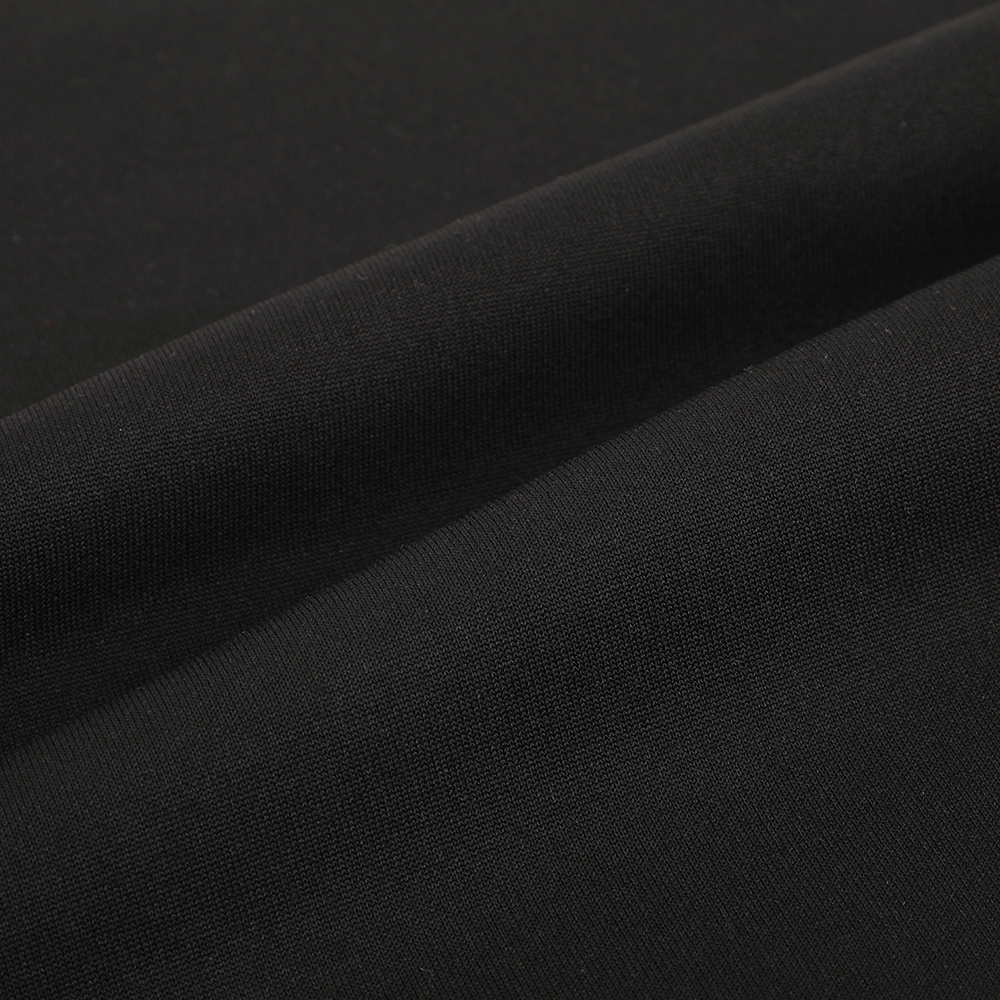

What are the different types of knit structures used in polyester knit clothing fabrics (e.g., jersey, rib, interlock)?
Polyester knit clothing fabrics represent a cornerstone of the modern apparel industry, offering a unique combination of durability, performance, and cost-effectiveness. The versatility of polyester as a fiber is profoundly amplified by the various knitting techniques employed to construct the fabric. Understanding these different knit structures is not merely a technical exercise; it is fundamental to selecting the right material for a specific garment, influencing everything from its aesthetic and hand feel to its functional performance and end-use application.
The global textile industry is vast and interconnected, with innovations and materials flowing across borders. Companies involved in this sector, such as those specializing in natural fibers like linen, often operate within a broader ecosystem that includes synthetic materials. For instance, a professional linen enterprise involved in all stages of production, from spinning and weaving to finishing, and exporting to over 20 countries, exists alongside and often in conjunction with the synthetic fiber market. While such a company may focus on natural blends, the overarching principles of fabric construction—whether for linen or polyester knit clothing fabrics—are universally critical to product development. The knowledge of how a fabric is built from the ground up is what allows the industry to innovate and meet the diverse needs of customers worldwide, from the United States and England to Japan and Brazil.
Introduction to knitting: the foundation of fabric structure
Before delving into specific structures, it is essential to understand the basic principle of knitting. Unlike woven fabrics, which are created by the perpendicular interlacing of two sets of yarns (warp and weft), knitted fabrics are formed by interlooping a single yarn or set of yarns. This fundamental difference in construction is what grants knitted fabrics their inherent elasticity, drape, and comfort. The loop, or stitch, is the building block of all knit fabrics. How these loops are connected to each other determines the fabric’s structure, properties, and ultimately, its name.
There are two primary categories of knitting: weft knitting and warp knitting. The vast majority of apparel-grade polyester knit clothing fabrics fall under the weft knitting category, which is the focus of this article. In weft knitting, a single yarn is fed transversely across the fabric, forming rows of loops. The main types of weft knit structures are jersey, rib, and interlock, each with numerous derivatives. The type of machine used, particularly its needle bed configuration (cylinder and dial for circular knitting or flatbed for flat knitting), directly determines which structures can be produced.
The workhorse: jersey knit structure and its derivatives
The jersey knit, also known as single knit or plain knit, is the simplest and most common structure found in polyester knit clothing fabrics. It is produced on a machine with one set of needles, typically a circular cylinder. In this structure, all the loops are drawn to the same side of the fabric, resulting in a distinct “face” and “back” side. The face side has a smooth appearance with visible vertical rows of "V"s, while the back side has a more textured, semi-circular look.
The defining characteristics of a standard jersey knit made from polyester are its light weight, excellent drape, and moderate elasticity, primarily in the horizontal direction. However, its simplicity also leads to its main drawbacks: the edges of the fabric will curl when cut, and it is prone to laddering (a run) if a yarn is broken. Polyester knit clothing fabrics in a jersey structure are incredibly versatile. They are the go-to material for a staggering array of products, including T-shirts, polo shirts, dresses, lightweight activewear, and the inner linings of garments. The smooth face provides an ideal surface for printing and dyeing, making it a favorite for graphic tees.
The true potential of the jersey structure is unlocked through its numerous derivatives, which modify its properties for specialized applications.
-
Lacoste Knit (Piqué): This is a double-faced jersey derivative characterized by a distinctive textured pattern of raised parallel cords or geometric shapes. This structure incorporates a combination of knit, tuck, and miss stitches to create a fabric that is thicker, more durable, and has better breathability than a standard jersey. In the realm of polyester knit clothing fabrics, piqué is predominantly used in polo shirts, golf wear, and other sportswear where a combination of structure, moisture management, and a smart-casual aesthetic is required. The textured surface helps to minimize contact with the skin, enhancing air circulation.
-
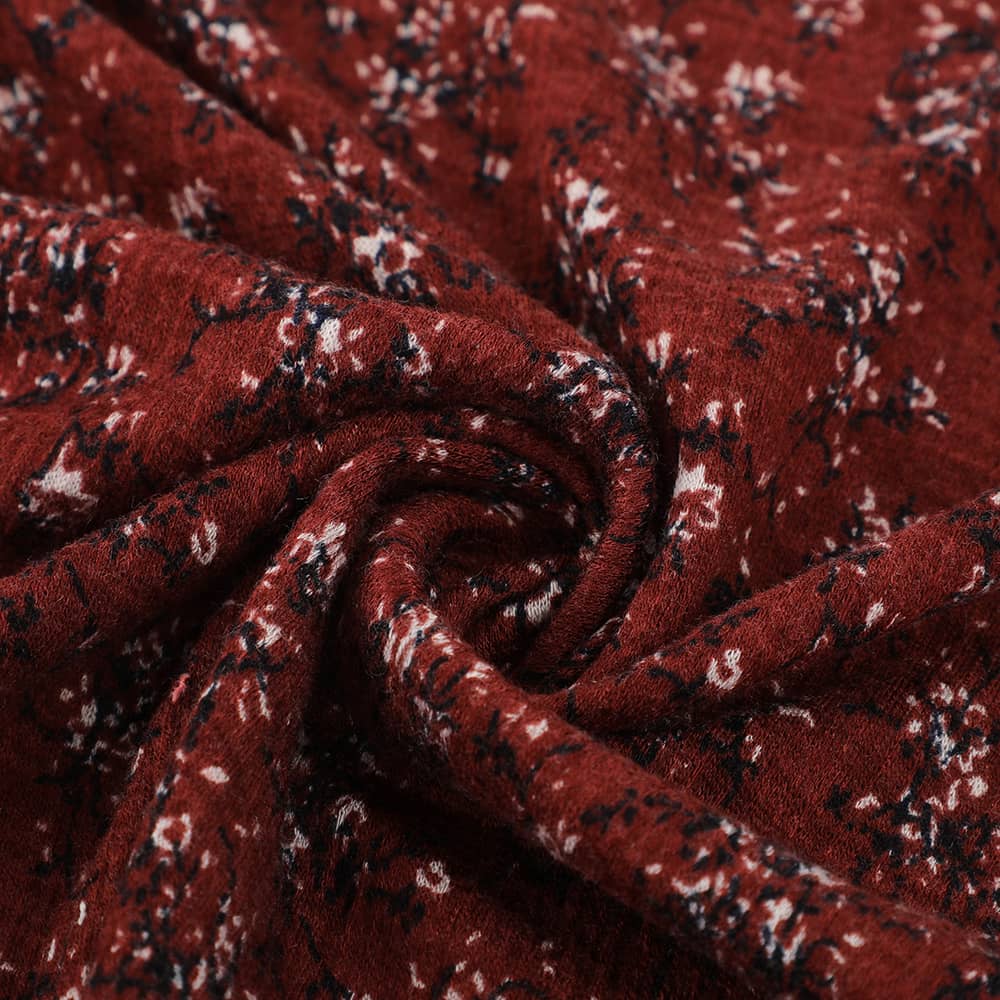
Jacquard Jersey: Utilizing advanced electronic knitting machines, jacquard patterns can be intricately knitted directly into the jersey structure. This technique allows for the creation of complex designs, logos, and images using multiple colored yarns or textural effects without the need for post-production printing or embroidery. This is a premium application for polyester knit clothing fabrics, often used for fashion apparel, technical outerwear, and branded performance wear where a high-end, integrated design is desired.
-
Mesh Knit: Mesh fabrics are jersey derivatives engineered for maximum breathability and ventilation. They are constructed by creating open, spaced loops or holes within the fabric structure. Polyester knit clothing fabrics with a mesh structure are indispensable in performance apparel, serving as liners in athletic shoes, base layers for high-intensity sports, panels in running shirts and shorts, and even in utility sectors for applications like high-visibility safety vests. The open structure allows for exceptional air flow, making it ideal for thermoregulation.
The versatile rib: structure for cuffs, collars, and beyond
Rib knit structures are instantly recognizable by their distinct vertical ridges on both sides of the fabric. This is achieved by knitting on a machine with two sets of needles (cylinder and dial) arranged perpendicularly to each other. The structure is created by having adjacent needles from each bed drawing their loops in opposite directions. The most basic form is the 1x1 rib, where one knit stitch on the face is followed by one on the back.
The primary characteristic of rib knits is their excellent elasticity and recovery in the widthwise direction. A 1x1 rib fabric can be stretched to nearly twice its width and, thanks to the resilience of polyester yarn, spring back to its original shape without distortion. This property of high dimensional stability under stretch makes it the unequivocal choice for garment parts that require firm, comfortable fit and retention. Consequently, polyester knit clothing fabrics with rib structures are the standard material for cuffs, neckbands, waistbands on sweaters and athleisure wear, and the bottom bands of hats.
Beyond its functional role in trims, rib structures are also used for entire garments. The elasticity and textured surface provide a flattering, form-fitting silhouette. Common applications include turtlenecks, sweaters, and the iconic “ribbed tank top”. The thickness and warmth of the fabric can be adjusted by the size of the needle and the yarn count used.
Variations of the rib structure expand its utility:
-
2x2 Rib and Wider Ribs: Structures like 2x2 (two knit stitches face, two back) or 3x1 create a wider rib pattern. These are often used for stylistic purposes in fashion garments, providing a more pronounced texture and a different visual rhythm while maintaining high elasticity.
-
Interlock Rib: It is crucial to distinguish this from the true interlock structure. This is a variation that produces a more stable, thicker rib fabric, often used for heavier-weight apparel.
The stable and smooth interlock and its double-knit cousins
Interlock is a sophisticated and stable knit structure that is, in essence, a double-faced version of the jersey knit. It is produced on a circular machine with two sets of needles (cylinder and dial) and requires two distinct yarns fed alternately to each set. The resulting fabric is characterized by its smooth surface on both sides, which visually resembles the face side of a jersey knit on both fronts.
The construction of interlock makes it a far more stable fabric than jersey or rib. It lies flat without curling at the edges, is thicker and more opaque, and has less inherent stretch. While it does have some natural elasticity, its recovery is superior, meaning it is highly resistant to bagging or losing its shape over time. For polyester knit clothing fabrics, interlock is a premium choice for applications where a smooth, luxurious hand feel, structural integrity, and excellent durability are paramount. It is frequently used in higher-quality T-shirts, polo shirts, dresses, skirts, and lightweight jackets. Its stability also makes it an excellent substrate for surface treatments like brushing (to create a soft, fleece-like interior) or printing.
Interlock belongs to a broader family of double-knit fabrics, all constructed on machines with two needle beds. Other double-knit structures offer a wider range of textural and performance properties:
-
Ponte di Roma (Ponte): This is perhaps the most well-known double-knit after interlock. It is constructed using a specific combination of knit and tuck stitches on both beds, resulting in a fabric with a subtle, pebbled texture on both sides. Ponte is renowned for its exceptional stability, density, and medium to heavy weight. It has an excellent “body” and drapes cleanly without being rigid. In polyester knit clothing fabrics, especially in blends with spandex for added stretch, Ponte is a powerhouse for structured yet comfortable garments. It is the ideal material for tailored pants, skirts, blazers, dresses, and high-quality activewear that requires firm support and a polished appearance.
-
Double Knit Jacquard: Similar to jacquard jersey, but executed on a double-knit machine, this allows for the creation of highly complex, multi-colored, and textural patterns that are integrated into a stable fabric base. This is a technically advanced and costly production method used for high-fashion items, intricate athletic jerseys, and premium technical apparel.
Specialized structures: french terry, fleece, and velour
A significant portion of the polyester knit clothing fabrics market is dedicated to looped and brushed fabrics designed for warmth, moisture management, and comfort. These are often derivatives of the basic structures but undergo significant post-knitting finishing processes.
-
French Terry: This is a jersey derivative fabric characterized by loops on one side (usually the back) and a smooth surface on the other (face). It is engineered to have these loops during the knitting process by using a special stitch. French terry is highly absorbent and breathable due to its looped back. Polyester knit clothing fabrics in a french terry structure are ubiquitous in sportswear, hoodies, lounge pants, and casual wear. The loops can be left as-is for a textured feel or sheared to create a velour (see below).
-
Fleece: Fleece fabrics are perhaps one of the most successful applications of polyester in knitting. Fleece is typically created by knitting a double-layer fabric on a circular machine. This fabric is then “brushed” on both sides by raising the fibers from the yarns to create a thick, soft, and fuzzy nap. Finally, the two layers are cut apart, yielding two pieces of single-layer fleece fabric. The brushing process creates a vast amount of air pockets, making fleece exceptionally lightweight and warm for its thickness. Polyester knit clothing fabrics as fleece are the standard for jackets, vests, sweatpants, hoodies, cold-weather base layers, and blankets. Its quick-drying properties, a hallmark of polyester, make it ideal for athletic and outdoor applications.
-
Velour: Velour is a plush, luxurious fabric with a nap similar to velvet. It is produced similarly to french terry, but the looped surface is then sheared to a uniform height and brushed to create a soft, dense pile. Velour made from polyester knit clothing fabrics offers a lustrous appearance, a soft hand, and excellent elasticity. It is used in loungewear, track suits, dresses, and fashion-forward athletic wear.
The critical role of fiber and finish in knit structures
While the knit structure defines the architecture of the fabric, the fiber properties and finishing treatments ultimately determine its performance and final character. Polyester brings a consistent set of properties to any structure it is knitted into. As a synthetic fiber, it demonstrates remarkable wrinkle resistance, with its high strength and elasticity ensuring the fabric remains smooth and retains its shape. This eliminates the need for frequent ironing and greatly enhances its durability and practicality.
Furthermore, its inherent heat resistance, light resistance, wear resistance, and corrosion resistance allow the fabric to maintain stable performance across various environments. This makes it an ideal material for clothing that must withstand repeated washing, intense sun exposure, or abrasive conditions. Compared to natural fiber materials, polyester has significant advantages in cost control, offering a high cost-performance ratio.
However, polyester’s relative lack of moisture absorption can be a drawback, potentially causing a sense of stuffiness in warm weather. To counter this, the industry has developed sophisticated finishing techniques and fiber engineering. Moisture-wicking finishes can be applied to polyester knit clothing fabrics to encourage capillary action, pulling sweat away from the skin to the fabric’s outer surface where it can evaporate quickly. This, combined with its quick-drying ability, transforms a potential weakness into a strength for activewear.
Another pivotal advancement is the blending of polyester with other fibers, most notably elastane (spandex). The incorporation of even a small percentage (2-10%) of spandex into a polyester knit clothing fabric dramatically improves its stretch and recovery properties across all structures. A polyester-spandex jersey becomes a powerful four-way stretch fabric for activewear; a polyester-spandex ponte gains even greater shape retention for tailored knit pants; and a polyester-spandex rib becomes supremely elastic for performance wear cuffs and bands.
Other finishes include:
- Brushing: As mentioned, used for fleece and velour.
- Peaching: A sueding finish that creates a very soft, peach-like skin surface.
- Antimicrobial: Treatments that inhibit the growth of odor-causing bacteria.
- UV Protection: Treatments that block harmful ultraviolet rays.
- Water-Repellent and Waterproof: Coatings or laminates applied for outerwear.
Selecting the right structure for the application
The choice of knit structure is a fundamental design decision dictated by the intended end-use of the garment. The following table provides a concise overview to guide this selection process.
| Garment Application | Recommended Knit Structure(s) | Key Reasoning |
|---|---|---|
| T-shirts, Casual Tops | Jersey, Interlock | Jersey for light weight and drape; Interlock for stability and a premium feel. |
| Polo Shirts | Piqué (Lacoste), Jersey | Piqué for traditional texture and breathability; Jersey for a smoother, printed style. |
| Sportswear / Activewear | Jersey (with spandex), Mesh, French Terry | Jersey for base layers; Mesh for ventilation panels; French Terry for absorbent hoodies. |
| Performance Athleisure | Ponte di Roma, Double Knit Jacquard | For structured pants, skirts, and tops that require firm support and a polished look. |
| Cuffs, Neckbands, Waistbands | Rib (1x1, 2x2) | For high elasticity and excellent recovery to maintain fit and compression. |
| Sweaters, Cold-Weather Wear | Rib, Fleece | Rib for form-fitting styles; Fleece for exceptional warmth and lightweight insulation. |
| Loungewear, Robes | Fleece, Velour, French Terry | For supreme softness, warmth, and comfort against the skin. |
| Dresses and Skirts | Jersey, Interlock, Ponte | Jersey for flowy styles; Interlock for body-conscious styles; Ponte for structured designs. |