English
 Español
 日本語
日本語 Deutsch
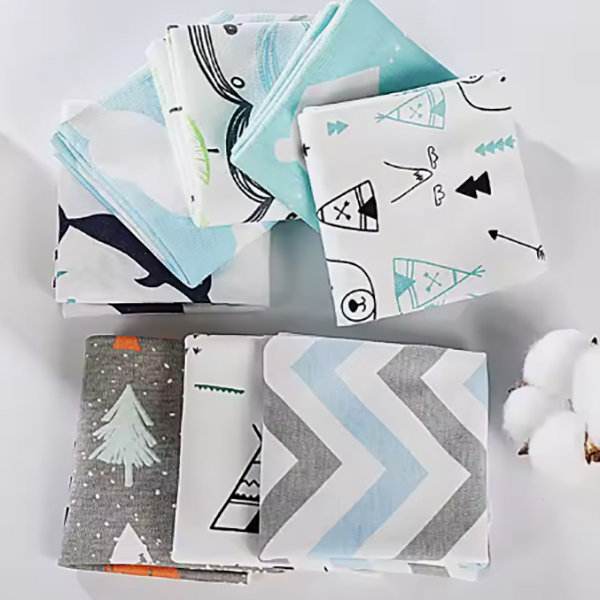
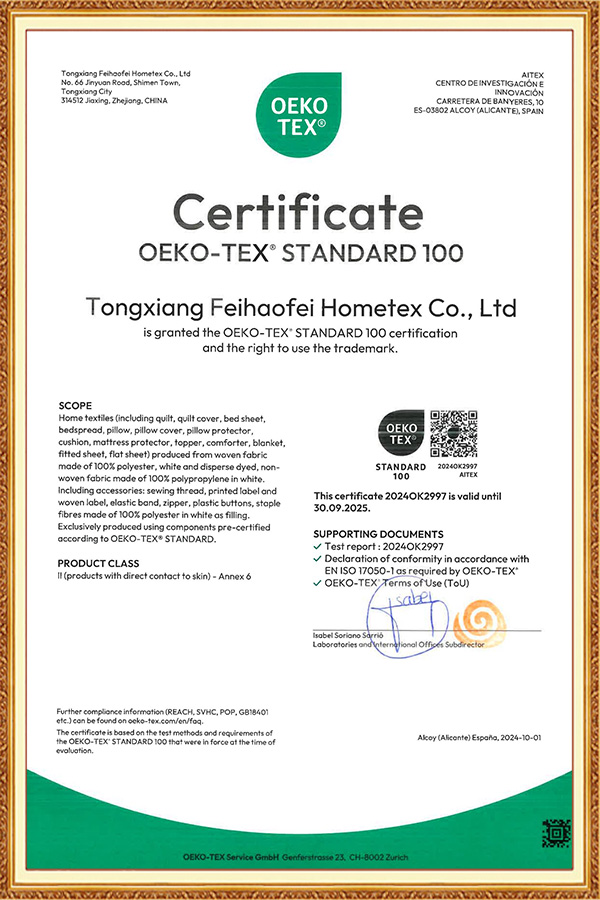
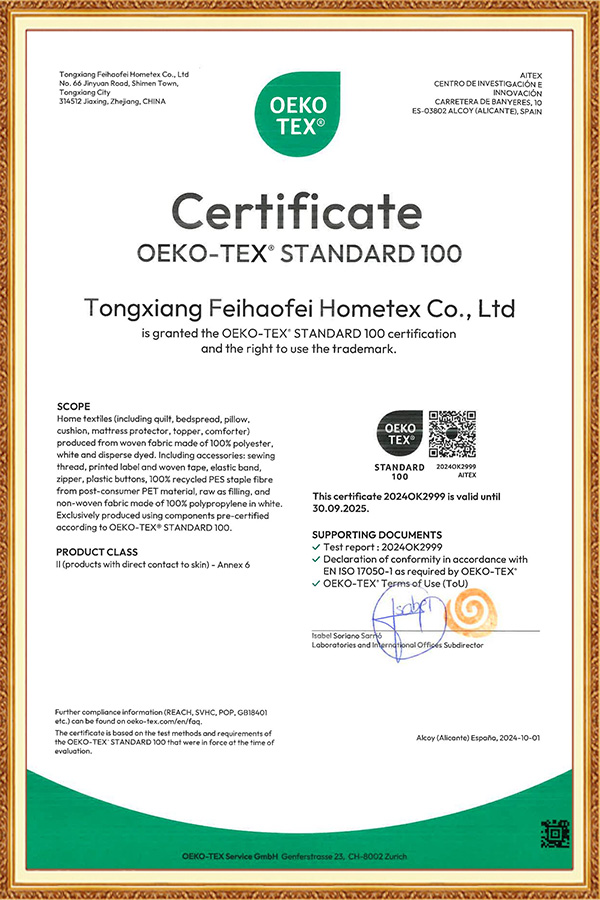
How does the feel and drape of pure cotton knit textile fabrics compare to cotton blends?
Introduction: The Centrality of Hand Feel and Drape in Textile Selection
In the realm of apparel and textile design, the selection of a fabric is a foundational decision that dictates the aesthetic, functional, and experiential qualities of the final product. Two of the most critical, yet often subjective, characteristics influencing this choice are hand feel—the tactile sensation perceived when handling the fabric—and drape—the manner in which a fabric hangs or falls under its own weight. These properties are not merely abstract concepts; they directly correlate to consumer perception of quality, comfort, and style. Among the vast array of textile options, pure cotton knit textile fabrics hold a revered position, prized for their natural origins and inherent comfort. However, they exist within a competitive landscape populated by various cotton blends, which combine cotton with other fibers like polyester, elastane, rayon, or linen to alter performance.
The fundamental properties of any fabric are dictated by the fibers from which it is constructed. Pure cotton knit textile fabrics are, as the name implies, composed entirely of natural cellulose fibers derived from the cotton plant. This singular composition grants them a specific set of tactile and behavioral traits. In contrast, cotton blends are engineered materials, designed to merge the desirable attributes of cotton with the performance-enhancing characteristics of synthetic or other natural fibers. This deliberate manipulation of fiber content creates a spectrum of fabrics, each with a distinct hand and drape profile. The comparison is not a simple matter of superiority but rather a question of application-specific suitability.
The production philosophy of companies focused on natural and sustainable materials emphasizes the inherent value of pure natural fibers. For instance, entities involved in all stages of the production process—from spinning and weaving to finishing—leverage the natural advantages of fibers like cotton and linen. They are committed to promoting the development of an environmental protection material industry chain, making continuous efforts to reduce human environmental pollution and achieve sustainable development. This focus often centers on maximizing the potential of pure cotton knit textile fabrics and other natural material products, which are exported to a global market seeking eco-conscious options. While such companies also develop blended products like linen-cotton or rayon linen, their expertise in pure natural fibers provides deep insight into the unique qualities of these materials. The following sections will deconstruct the elements that contribute to the feel and drape, beginning with the pure cotton experience.
The Inherent Qualities of Pure Cotton Knit Textile Fabrics
Pure cotton knit textile fabrics are celebrated for a constellation of properties that stem directly from the cotton fiber’s morphology. The fiber is a single biological cell, a hollow tube that twists naturally upon drying, giving it a soft, convoluted structure. This structure is the origin of cotton’s iconic hand feel.
The primary tactile characteristic of high-quality pure cotton knit textile fabrics is a profound and genuine softness. This is not a surface-level softness imparted by chemical softeners, which can wash out over time, but a fundamental bulk softness inherent to the fiber itself. This softness is often described as “buttery” or “supple,” providing a comforting, skin-friendly touch that is exceptionally gentle. This makes it one of the preferred materials in markets where sensitivity is paramount, such as children’s wear and high-end leisurewear. Furthermore, cotton possesses a natural luster that presents a simple yet elegant texture, a visual complement to its soft hand. During processing, techniques like mercerization—a strong alkali treatment—are employed to enhance this inherent luster and improve dye affinity, further elevating the product’s quality and feel.
The moisture absorption of cotton is legendary; the fiber can absorb up to 24-27% of its weight in moisture without feeling damp. This property is the core of its wearing comfort. As the fabric absorbs perspiration from the skin, it facilitates evaporation, creating a cooling effect and preventing the clammy sensation associated with less absorbent materials. This superb breathability ensures comfort throughout the changing seasons—keeping the wearer warm in winter without sacrificing breathability and providing exceptional coolness in summer. Tactilely, this translates to a fabric that feels consistently dry and comfortable against the skin, a key component of its overall positive hand feel.
However, the pure cotton composition also dictates certain behavioral traits, particularly in its drape and stability. A 100% cotton knit, especially in lighter weights, tends to exhibit a soft drape that is fluid and relaxed. It conforms gently to the body’s contours without being overly clingy, offering a classic, effortless silhouette often associated with premium t-shirts and loungewear. This drape is influenced by the fabric’s construction and weight (measured in grams per square meter, or GSM). A heavier pure cotton knit textile fabric, like a fleece or terry, will have a more structured, substantial drape, while a lighter single jersey will be far more fluid.
The primary challenges to the ideal state of pure cotton are its relatively weak elasticity and its susceptibility to shrinkage and wrinkling. These are intrinsic physical characteristics. Without the inclusion of an elastic fiber like spandex, a cotton knit will have limited natural stretch and recovery. This can affect the drape over time, as garments may bag out at the knees or elbows without returning to their original shape. Furthermore, the high shrinkage rate must be carefully managed through pre-shrinking processes (like sanforization) to ensure dimensional stability after home laundering. A garment that shrinks significantly will alter its intended drape and fit. The tendency to wrinkle easily is another factor; while some appreciate the relaxed “lived-in” look this imparts, it can detract from a crisp, polished appearance and is a consideration for the end-user’s care routine.
Table 1: Inherent Properties of Pure Cotton Knit Textile Fabrics
| Property | Impact on Hand Feel | Impact on Drape |
|---|---|---|
| Natural Softness | Provides a genuine, bulk softness; skin-friendly and gentle. | Contributes to a fluid, conforming drape. |
| Moisture Absorption | Feels dry and comfortable; wicks moisture without clamminess. | Unaffected by moisture; maintains consistency. |
| Low Elasticity | Feels pliable but may not snap back; can feel loose after wear. | Can lead to bagging or loss of shape over time, altering drape. |
| Propensity to Wrinkle | Can feel crumpled; softness may be obscured by creases. | Wrinkles create an irregular surface, interrupting clean drape lines. |
| Natural Luster | Adds a visual depth that complements the soft tactile experience. | Enhances the visual flow of the fabric as it hangs. |
The Engineered Performance of Cotton Blend Knit Fabrics
Cotton blends represent the strategic augmentation of natural fiber with other materials to address specific performance gaps or to create entirely new aesthetic and tactile profiles. The choice of blend partner fundamentally redirects the hand and drape of the resulting fabric. The most common blends include cotton-polyester, cotton-elastane (spandex/Lycra), cotton-rayon, and cotton-linen, each offering a distinct dialogue between feel and function.
The cotton-polyester blend is perhaps the most ubiquitous. Polyester, a synthetic polymer, introduces a set of properties that directly counter the weaknesses of pure cotton. The hand feel of a cotton-polyester knit is often smoother and slightly slicker compared to the fluffy softness of pure cotton. It can feel cooler to the touch initially, though this sensation changes with wear. The most significant contributions of polyester are its strength, durability, and exceptional resistance to wrinkling and shrinkage. This leads to a fabric that maintains its appearance and dimensions wash after wash. In terms of drape, polyester adds body and structural integrity. A cotton-polyester blend will often have a crisper, more defined drape than a pure cotton equivalent of the same weight. It is less likely to sag or lose its shape, providing a more consistent silhouette over the garment’s lifespan. However, a primary trade-off is breathability. Polyester is hydrophobic—it repels moisture. In a blend, while the cotton components still absorb sweat, the polyester can trap humidity, potentially leading to a less comfortable, clingy feel during intense activity compared to the superior moisture-wicking and breathability of pure cotton.
The introduction of elastane (even in small percentages of 2-5%) into a cotton knit is a transformative decision focused almost exclusively on fit and movement, which are integral to drape. The hand feel of a cotton-elastane blend is often described as “lively” or “springy.” It has a constant tension and an ability to stretch and recover dramatically. This immense elasticity and recovery power revolutionizes the fabric’s drape. Instead of hanging statically, the fabric hugs the body’s curves, moving with the wearer. This is the foundation of performance activewear, figure-hugging dresses, and any garment where freedom of movement and shape retention are critical. The drape becomes dynamic and form-fitting.
Cotton-rayon blends (and similar blends with other cellulosic regenerated fibers like modal or lyocell) take a different approach. Rayon is also derived from cellulose, often from wood pulp, and shares many of cotton’s virtues but amplifies them in certain aspects. The hand feel of a cotton-rayon knit is typically exceptionally soft, silky, and drapable—often even more so than pure cotton. Rayon contributes a beautiful, fluid weight and a lustrous sheen that enhances the visual sophistication of the drape. Fabrics with a high rayon content are renowned for their ability to hang in soft, flowing folds, making them ideal for blouses, dresses, and garments requiring an elegant, graceful silhouette. The primary drawback can be a reduction in durability when wet and a higher propensity for stretching out of shape if not properly managed in construction.
Finally, cotton-linen blends offer a unique textural experience. Linen, a bast fiber, is stronger and stiffer than cotton. Its incorporation into a knit, while less common than in wovens, creates a fabric with a distinctly dry, crisp hand feel and a subtle, desirable slub texture. The drape of a cotton-linen knit is more structured and has more body than pure cotton; it stands away from the body slightly rather than clinging, offering a relaxed, breezy, and sophisticated aesthetic. The blend gains the excellent absorbency and coolness of both fibers, making it supremely comfortable in hot weather, while the cotton mitigates linen’s tendency to wrinkle severely and adds softness.
Table 2: Common Cotton Blends and Their Impact on Hand Feel and Drape
| Blend Type | Primary Hand Feel Characteristics | Primary Drape Characteristics |
|---|---|---|
| Cotton-Polyester | Smooth, slick, cool initial touch, less prone to pilling. | Crisper, more structured drape; excellent shape retention. |
| Cotton-Elastane | Springy, compressive, retains tension and recovery. | Form-fitting, dynamic drape that moves with the body. |
| Cotton-Rayon | Exceptionally soft, silky, smooth, and often lustrous. | Very fluid, flowing, and graceful drape with soft folds. |
| Cotton-Linen | Dry, crisp, textured hand with a natural slub. | Relaxed, structured drape with body; stands away from the skin. |
A Comparative Analysis: Situating Feel and Drape in Application
The choice between pure cotton knit textile fabrics and a cotton blend is not a binary contest of good versus bad. It is a strategic selection process where the intended application dictates the optimal balance of properties. The feel and drape are central to this decision.
For applications where ultimate comfort, breathability, and a natural, authentic aesthetic are the highest priorities, pure cotton knit textile fabrics are often unrivaled. This is why they dominate markets for high-quality basics, underwear, baby clothing, and premium loungewear. The genuine, skin-friendly softness and the ability to manage moisture effectively create a wearing experience that is difficult for synthetics to replicate fully. The drape is classic and comfortable, ideal for garments designed for relaxation and casual wear. The tendency to wrinkle is often accepted as part of the natural fabric’s character in these contexts. Furthermore, for consumers and brands prioritizing sustainability and natural materials, the biodegradability and renewable origin of cotton are significant advantages that align with a commitment to reducing environmental pollution and achieving sustainable development.
Conversely, when performance, durability, and specific functional attributes are required, cotton blends become indispensable. The activewear and sportswear industries rely heavily on cotton-elastane blends for the necessary compression and freedom of movement. The fashion industry utilizes cotton-rayon blends for their elegant, fluid drape in feminine designs and cotton-linen blends for their textured, breezy sophistication in summer collections. The mass-market apparel sector frequently employs cotton-polyester blends to produce durable, easy-care, and cost-effective garments that resist wrinkling and maintain their shape for a broad consumer base. The enhanced colorfastness achievable with polyester also allows for vibrant, long-lasting prints and colors, expanding the design space for children’s clothing, casual wear, and uniforms.
The role of finishing processes cannot be overstated in this comparison. A pure cotton knit textile fabric can be treated with enzymes (bio-polishing) to reduce pilling and enhance softness, or with durable press resins to mitigate wrinkling. Blended fabrics can be finished with moisture-wicking treatments to improve the performance of cotton-polyester or with softeners to alter the hand feel. These processes allow manufacturers to fine-tune the final feel and drape, pushing each fabric closer to the performance profile of the other, though inherent fiber properties will always remain the foundational factor.