English
 Español
 日本語
日本語 Deutsch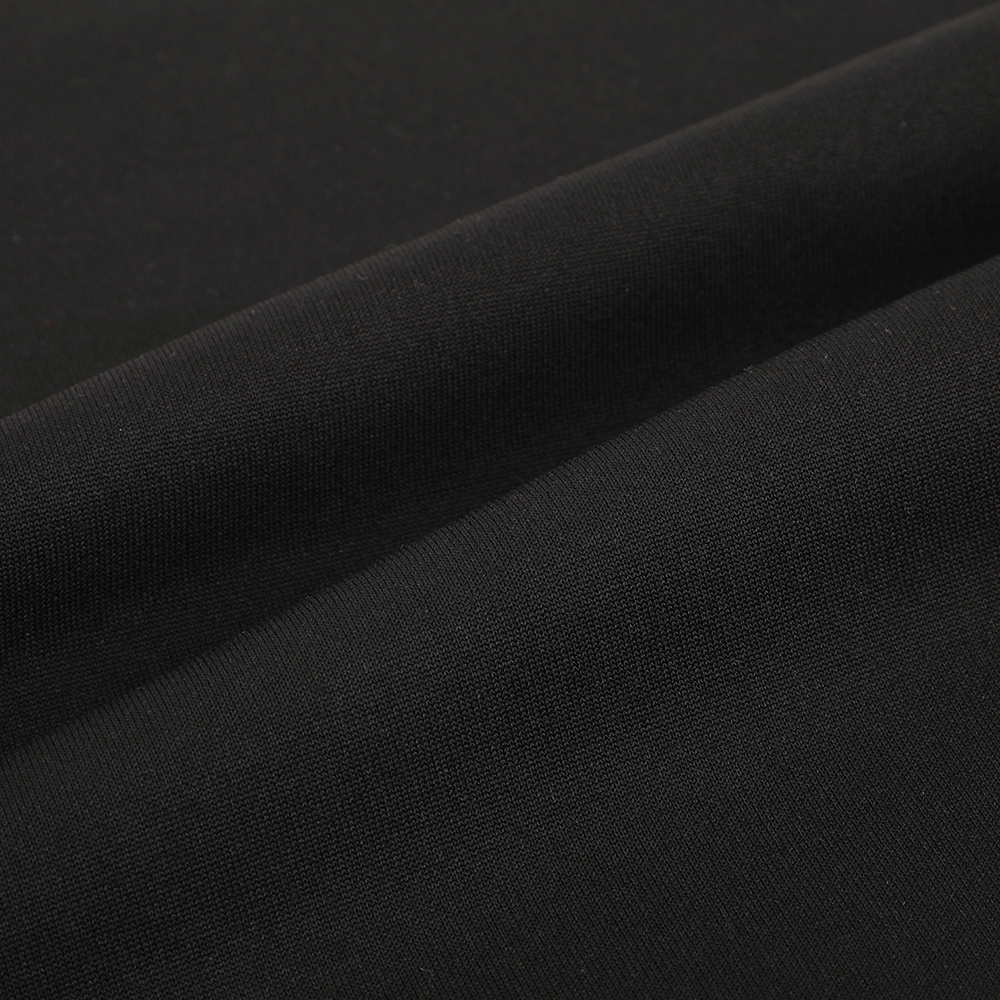
Polyester Knitted Fabric for High-Performance Apparel and Home Textiles
In the rapidly evolving textile industry, polyester knitted fabric has emerged as a key material due to its versatility, durability, and adaptability to various production techniques. Understanding its structure, functional properties, and applications is essential for manufacturers, designers, and buyers seeking high-quality fabrics that meet contemporary demands.
Technical Composition and Properties
Polyester knitted P/D fabric is primarily composed of polyester fibers that are interlooped in a knitted structure, combined with piece-dyeing techniques to achieve desired colors and patterns. Unlike yarn-dyed fabrics, P/D fabrics are dyed after the knitting process, allowing for more flexibility in color customization and efficient production.
Key properties of polyester knitted P/D fabrics include:
- Durability: High resistance to wear and abrasion, making it suitable for apparel, home textiles, and industrial applications.
- Elasticity and Recovery: The knitted structure allows for excellent stretch and shape retention, enhancing wearer comfort and garment performance.
- Color Fastness: P/D technology ensures consistent coloration across batches, with improved resistance to fading under sunlight or repeated washing.
- Moisture Management: Polyester fibers provide hydrophobic characteristics, which can be modified through finishing techniques to improve breathability and moisture wicking.
- Lightweight and Soft Hand Feel: Advanced knitting techniques produce fabrics that balance strength with softness, making them appealing for sportswear and casual wear.
Manufacturing Process Overview
The production of polyester knitted P/D fabric involves several stages, each crucial to ensuring the final quality:
- Spinning: High-quality polyester fibers are spun into yarns suitable for knitting. The fiber properties, such as denier and filament type, influence the fabric’s hand feel, weight, and stretch.
- Knitting: Circular or flat knitting machines create the fabric structure. Different knit patterns, such as jersey, rib, or interlock, provide diverse performance characteristics and aesthetics.
- Piece Dyeing: Once knitted, the fabric undergoes P/D treatment. Dyes are selected based on fiber compatibility, colorfastness requirements, and intended end-use. This stage allows for both solid colors and specialized effects, including tonal gradients or subtle sheen finishes.
- Finishing: Finishing processes enhance functionality and appearance. Treatments may include softening, anti-pilling, anti-static, water-repellent, flame-retardant, or anti-microbial coatings, depending on application requirements.
Shaoxing Tangsi Textile Co., Ltd. actively participates in every production link from fiber research and development to spinning, weaving and finishing. Their involvement in the entire supply chain ensures consistent fabric quality and enables quick response to market trends.
Applications Across Industries
Polyester knitted P/D fabric has found extensive applications due to its performance attributes:
- Apparel Industry: Its elasticity, durability, and ease of care make it ideal for sportswear, casual wear, uniforms, and activewear. The P/D process allows manufacturers to create seasonal color palettes efficiently.
- Home Textiles: Used in bed linens, upholstery, and drapery, this fabric provides a combination of aesthetic appeal and functional performance, such as wrinkle resistance and color retention.
- Industrial Textiles: Certain P/D fabrics, enhanced with functional finishes, are applied in protective clothing, banners, and filtration materials.
- Sustainable Fashion: Recycled polyester fibers are increasingly incorporated to reduce environmental impact, aligning with global sustainability initiatives.
Advantages Over Alternative Fabrics
Compared to cotton or natural fiber counterparts, polyester knitted P/D fabric offers several distinct advantages:
| Feature | Polyester Knitted P/D Fabric | Natural Fiber Fabrics |
|---|---|---|
| Durability | High, resistant to wear | Moderate, prone to pilling |
| Stretch | Excellent, shape-retaining | Limited, depends on fiber |
| Color Retention | Excellent due to P/D process | Moderate, may fade faster |
| Moisture Resistance | Hydrophobic, fast-drying | Hydrophilic, slower drying |
| Maintenance | Low, wrinkle-resistant | Requires more care |
| Production Flexibility | High, supports P/D customization | Limited by yarn-dyeing constraints |
Sustainability and Environmental Considerations
Sustainability is a critical concern in contemporary textile manufacturing. Polyester knitted P/D fabrics, while traditionally petroleum-based, are increasingly being produced from recycled materials and through environmentally conscious dyeing processes. Shaoxing Tangsi Textile Co., Ltd. focuses on developing high-performance blended products and promoting the use of environmentally friendly materials to reduce pollution and achieve sustainable development goals.
Innovations in low-water dyeing, energy-efficient finishing, and circular recycling of polyester fibers are helping the industry move toward a more sustainable future. These measures not only reduce the ecological footprint but also meet the rising demand from consumers and brands for responsible sourcing.
Quality Control and Industry Standards
Ensuring the quality of polyester knitted P/D fabric requires rigorous control measures:
- Fabric Inspection: Monitoring weight, stitch density, and surface defects.
- Color Consistency: Evaluating colorfastness to light, washing, and rubbing.
- Performance Testing: Assessing tensile strength, elasticity, shrinkage, and pilling resistance.
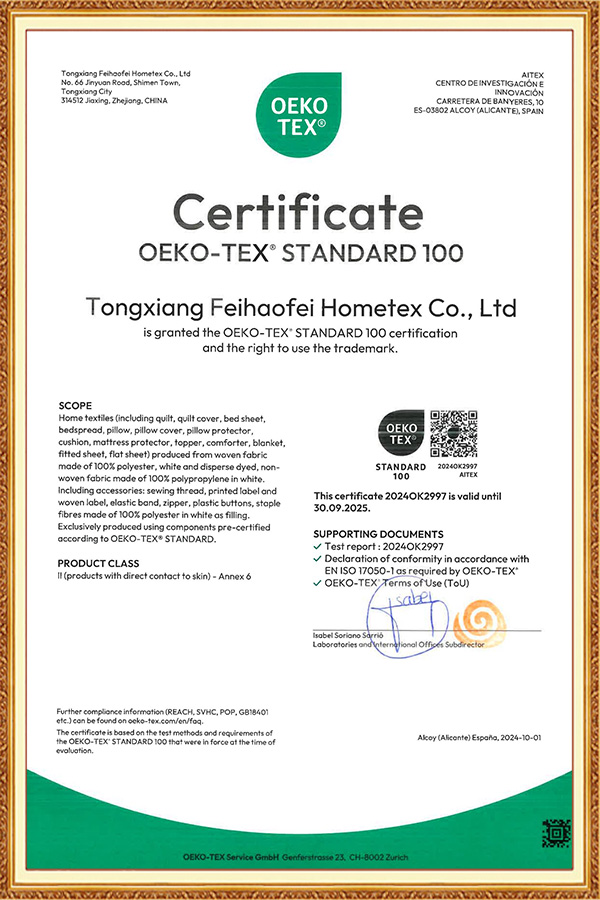
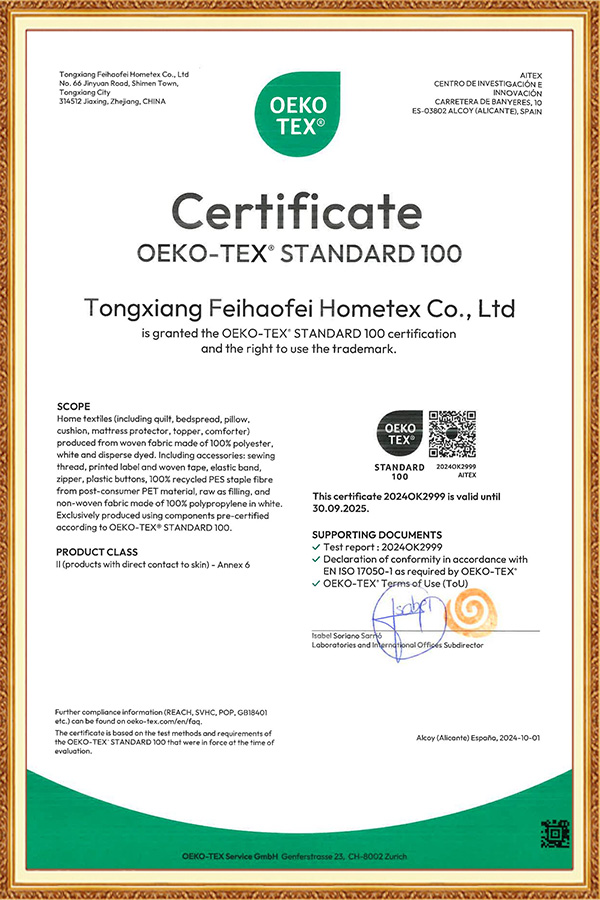
- Compliance: Meeting international safety and environmental standards, including OEKO-TEX certification and REACH compliance.
Shaoxing Tangsi Textile Co., Ltd. is a manufacturer with integrated production capabilities, able to maintain strict quality standards in all production links to ensure product reliability and customer satisfaction.
Future Prospects
The future of polyester knitted P/D fabric is closely tied to innovation and sustainability. Trends likely to shape the industry include:
- Smart Textiles: Integration of functional fibers for temperature regulation, UV protection, or wearable electronics.
- Advanced Blends: Combining polyester with natural or high-performance fibers for hybrid fabrics with enhanced comfort and functionality.
- Digital Printing and Customization: Moving beyond traditional P/D methods to precision digital printing for highly detailed patterns and reduced waste.
- Eco-friendly Manufacturing: Greater adoption of recycled fibers, waterless dyeing technologies, and biodegradable finishing agents.