English
 Español
 日本語
日本語 Deutsch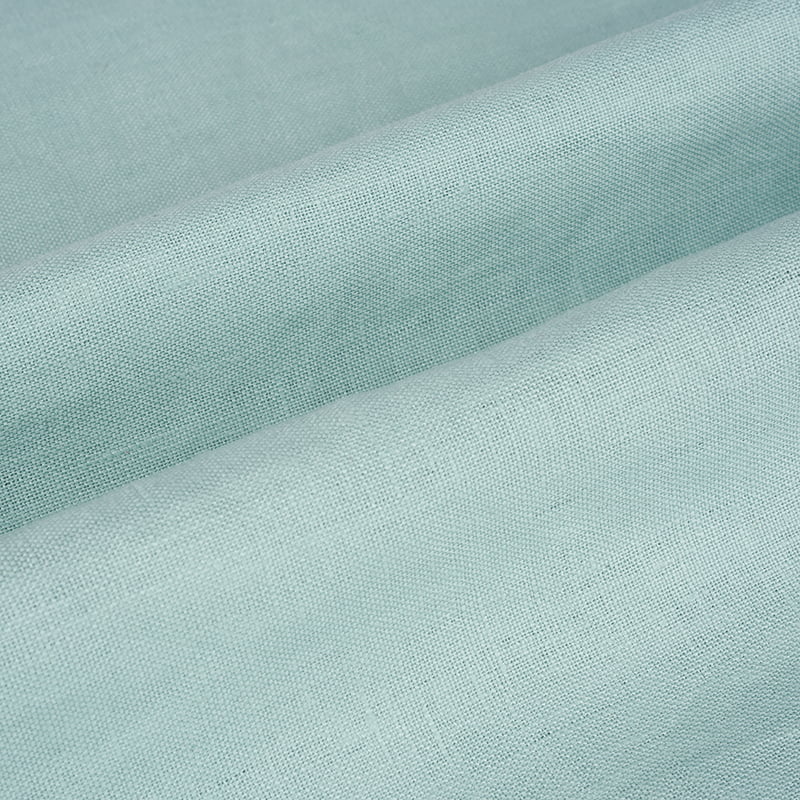
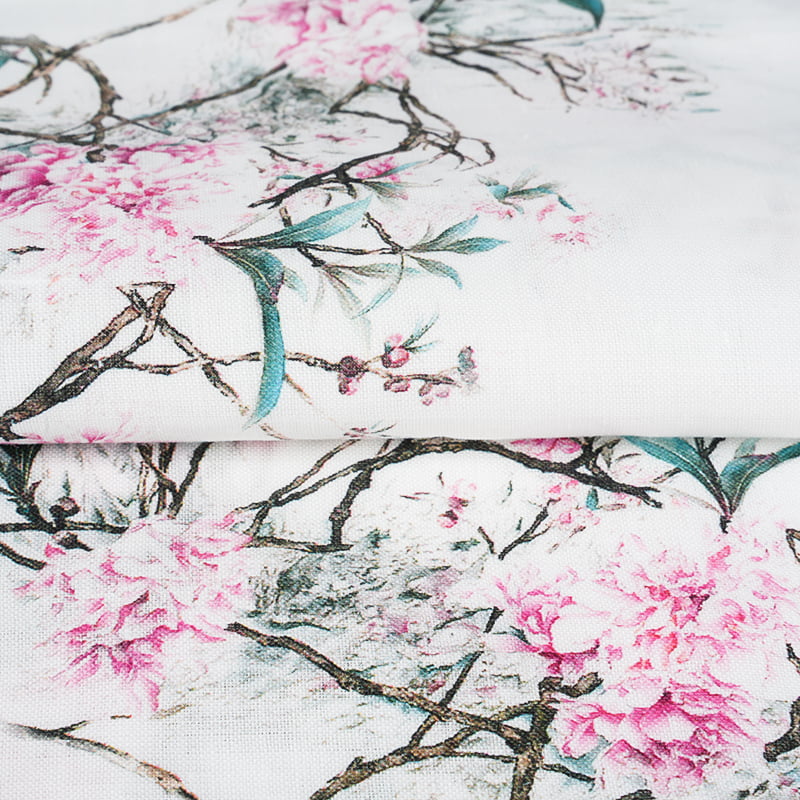

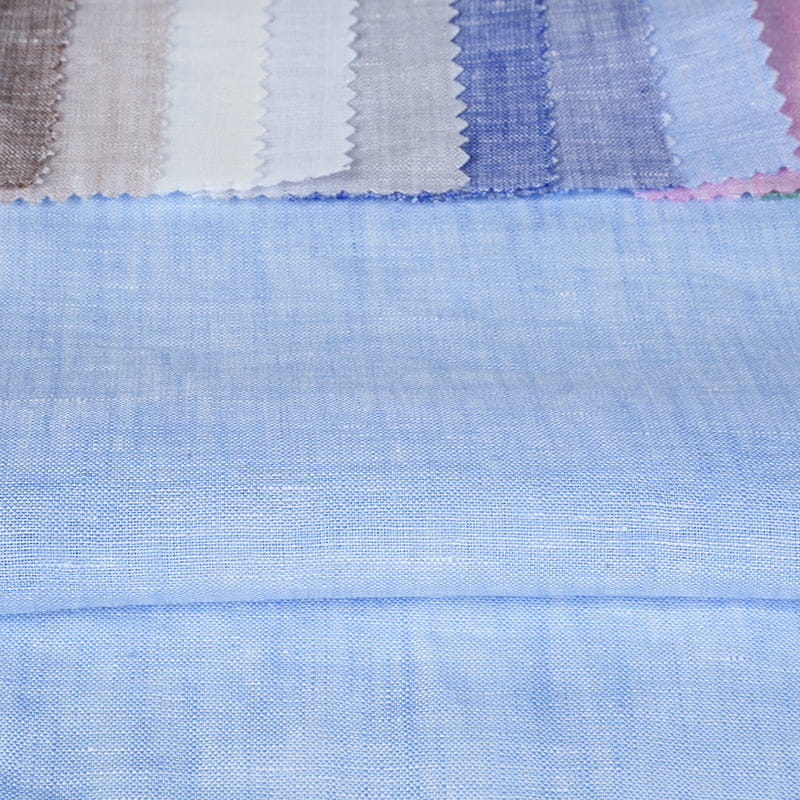
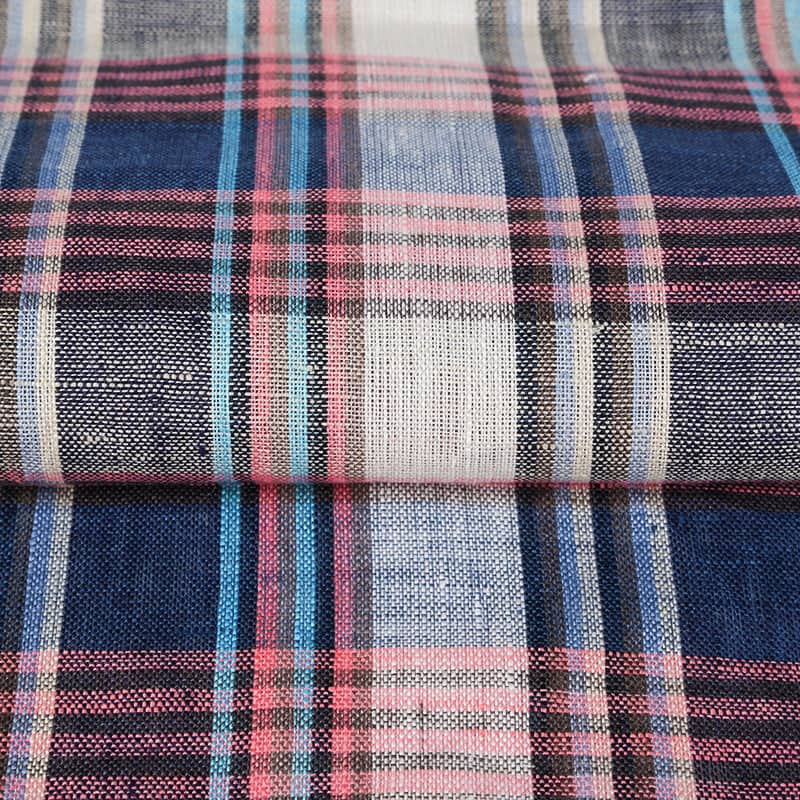
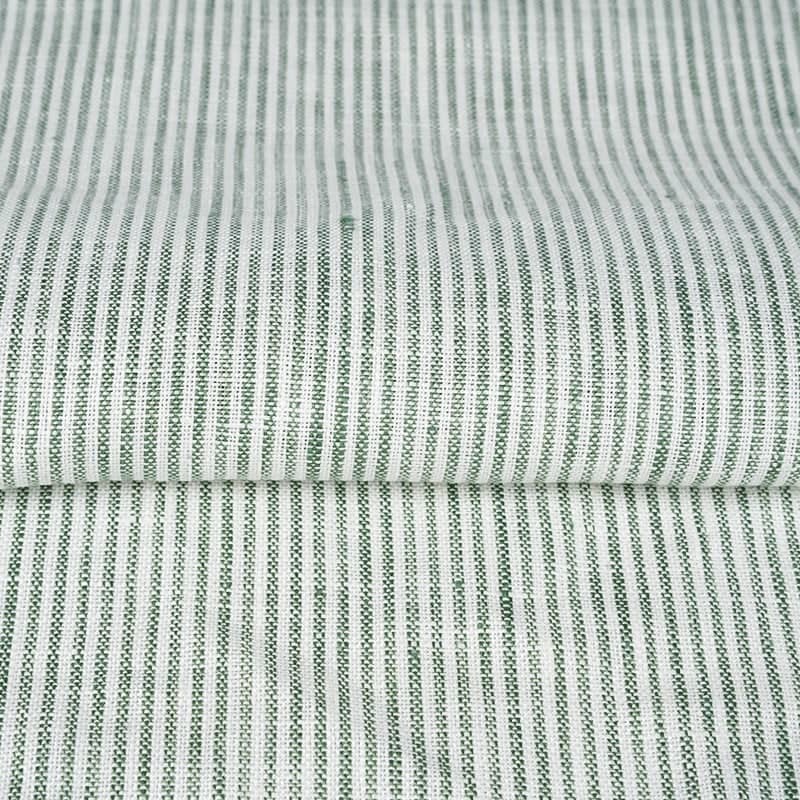
The Production Process and Technology of Linen Textiles: From Flax Fiber to Pure Linen Woven Fabric
Founded in 2010, Shaoxing Tangsi Textile Co., Ltd. is located in the beautiful and historic water city of Shaoxing. We mainly engage in the research and development of natural fibers, high-performance fibers, and blended products. We are committed to promoting the development of the environmentally friendly material industry chain, continuously striving to reduce environmental pollution and achieve sustainable development.
We understand that every inch of high-quality pure linen woven fabric comes from strict control over the production process and technology. Here are the key steps we take to transform natural flax fibers into exquisite fabric:
1. Flax Fiber Processing and Preparation for Spinning
-
Harvesting and Retting
The journey of linen begins with harvesting. The mature flax stalks undergo a "retting" process, where microorganisms decompose the pectin, separating the fibers from the woody core.
-
Scutching and Hackling
After retting, the flax stalks are dried and "scutched" to remove the woody parts, leaving only the coarse flax fibers. They are then "hackled" to separate the long and short fibers. This step is crucial for determining the quality of the yarn. At Shaoxing Tangsi Textile Co., Ltd., we focus on classifying different fibers to ensure the purity and uniformity of our raw materials.
2. Flax Spinning
-
Wet Spinning vs. Dry Spinning
Flax fibers can be processed using either wet or dry spinning techniques. Wet spinning is typically used to produce high-count, fine, and smooth linen yarn, suitable for high-end apparel fabric. Dry spinning is used to produce coarser yarn, often for home furnishings and decorative items. We select the appropriate spinning technique based on the final product's requirements to meet our customers' needs for different textures and performances. Our R&D team continuously optimizes the spinning process to improve yarn strength and uniformity.
3. Weaving Process
-
Preparation and Weaving
The spun linen yarn is wound onto bobbins or beams in preparation for the loom. During weaving, the warp and weft yarns interlace perpendicularly to form a stable fabric structure. We use advanced weaving equipment to ensure uniform fabric density and a clear texture.
4. Finishing and Quality Control
-
Bleaching, Dyeing, and Finishing
The woven greige fabric undergoes a series of finishing processes, including bleaching to remove impurities and natural colors, and dyeing to give the fabric a rich variety of colors. Additionally, treatments such as softening and pre-shrinking are applied to improve the fabric's hand-feel and dimensional stability.
-
Strict Quality Inspection
At every stage, our quality inspection team conducts rigorous tests on both semi-finished and finished products, including key metrics like colorfastness, tear strength, and shrinkage rate. This ensures that every meter of fabric that leaves Shaoxing Tangsi Textile Co., Ltd. meets our commitment to quality and sustainable development.
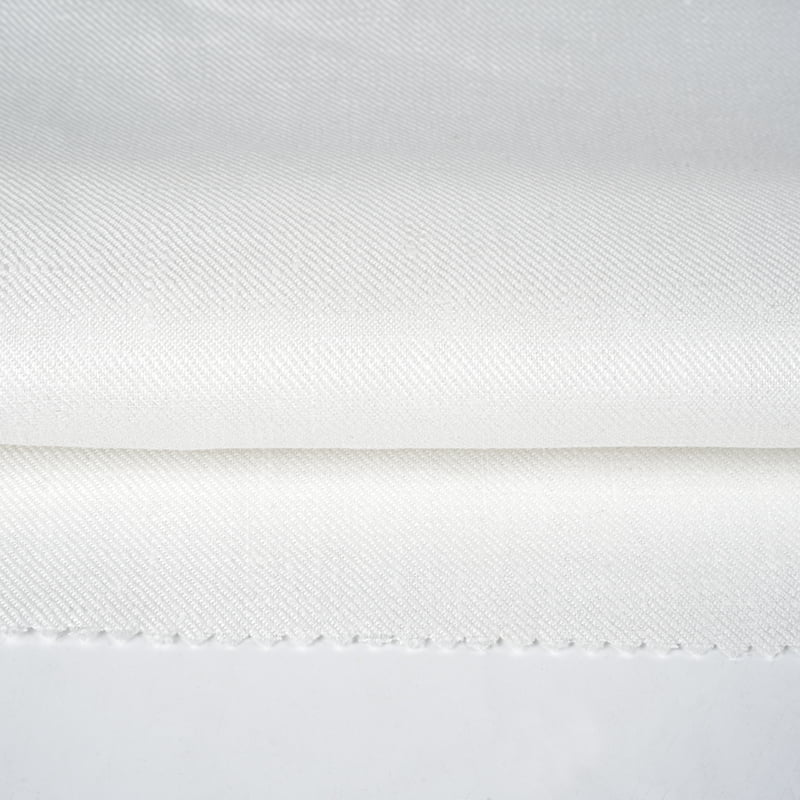
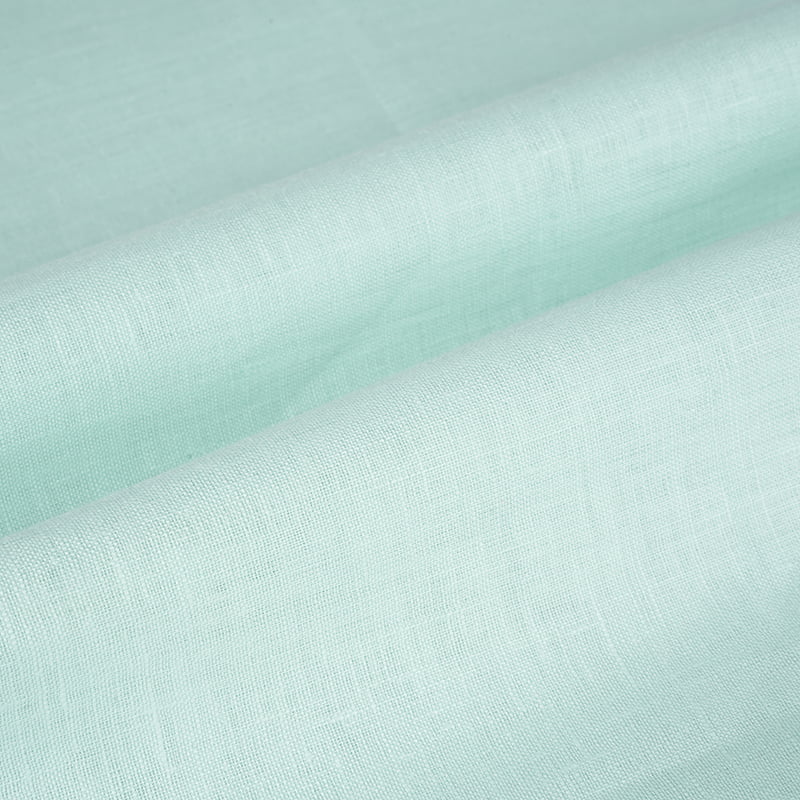
Through the refined management and technological innovation of the processes mentioned above, Shaoxing Tangsi Textile Co., Ltd. is dedicated to maximizing the natural advantages of every flax fiber, providing the market with high-quality, eco-friendly, and durable pure linen woven fabric.