English
 Español
 日本語
日本語 Deutsch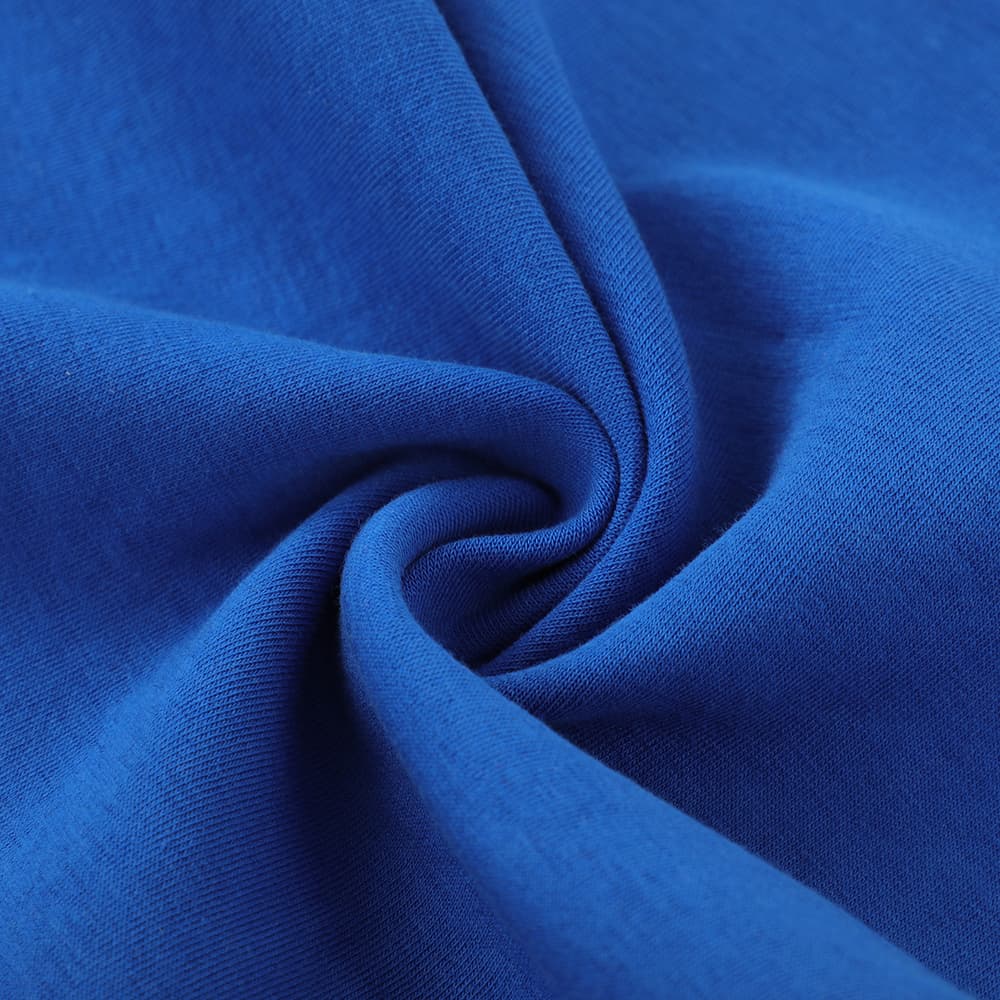
What is the difference between interlock and single jersey cotton blend jersey knit fabrics?
The world of textiles is vast and complex, with countless fabric constructions and material combinations available to designers, manufacturers, and consumers. Among these, knit fabrics hold a significant place due to their comfort, stretch, and versatility. Within the category of knits, cotton blend jersey knit fabrics are particularly prominent, valued for their soft hand feel, excellent breathability, and practical performance characteristics. However, not all jersey knits are created equal. Two of the most fundamental and frequently compared constructions are single jersey and interlock. While both fall under the broad umbrella of jersey knit and can be produced using cotton blend yarns, they possess distinct structural identities that result in markedly different properties, applications, and care requirements. Understanding the difference between interlock and single jersey cotton blend jersey knit fabrics is crucial for anyone involved in the selection, procurement, or use of textiles, ensuring the right material is chosen for the right purpose.
Introduction to knit fabrics and cotton blends
To appreciate the differences between single jersey and interlock, one must first understand the basic principles of knit fabric construction. Unlike woven fabrics, which are created by the perpendicular interlacing of two sets of yarns (warp and weft), knits are formed by interlooping a single yarn or a set of yarns. This looped structure is what grants knit fabrics their inherent elasticity and drape. The two primary types of knitting are weft knitting and warp knitting. Both single jersey and interlock are weft knits, meaning the yarn is fed horizontally across the fabric, and each loop is formed from a single yarn.
The term “jersey” originally referred to a plain knit structure made on a circular knitting machine with one set of needles. Today, it broadly describes a type of weft-knit fabric known for its smooth face and slightly textured back. Cotton blend jersey knit fabrics specifically incorporate a combination of cotton and other fibers, such as polyester, rayon, or elastane (spandex). The inclusion of these fibers is designed to enhance the performance and durability of the fabric. For instance, blending cotton with polyester improves the fabric’s strength, reduces wrinkling, and accelerates drying time. Adding a small percentage of elastane introduces mechanical stretch and improves recovery, allowing the garment to retain its shape better. These blended fabrics aim to merge the best qualities of each fiber: the natural softness, absorbency, and breathability of cotton with the functional benefits of synthetic or other natural materials.
The development and refinement of these materials are often driven by textile enterprises focused on innovation and sustainability. Some companies, for example, are mainly engaged in the research and development of natural fiber, high-performance fiber and blended products, committed to promoting the development of environmental protection material industry chain. This commitment to sustainable development and reducing environmental pollution is increasingly important in modern textile production. The expertise in all stages of the production process—from spinning, weaving, and finishing—ensures a high degree of control over the final product’s quality. This results in fabrics that not only meet functional demands but also align with a growing desire for eco-conscious materials. The performance of a specific cotton-blend knitted fabric can be exceptional, with excellent moisture-wicking and breathability that ensures a comfortable and dry wearing experience. Its quick heat conduction feature keeps the fabric cool to the touch, effectively reducing stuffiness. Furthermore, properties like outstanding insect and mildew resistance, low static electricity, and good drapability make these fabrics a versatile and practical choice for a wide array of applications, from casual apparel to more demanding activewear.
Understanding single jersey construction
Single jersey is the simplest and most common type of weft-knit fabric. It is produced on a circular knitting machine equipped with one set of needles—either cylinder needles or dial needles. The fundamental structure is created by forming loops in one direction, all pulling in the same way. This results in a fabric that has a distinct “right” and “wrong” side. The technical face of a single jersey fabric typically appears smooth with a clear vertical grain, while the technical back has a more textured, bumpy appearance caused by the tops of the loops, often referred to as the “purl” side.
The defining characteristic of single jersey is its propensity to curl at the edges when cut. This curling occurs because the loops on the face and back of the fabric have different tensions, causing the edges to roll towards the face side at the selvages and towards the back side at the top and bottom. This property must be accounted for during the garment manufacturing process, often requiring stabilizers or specific hemming techniques to produce a flat, finished edge.
When produced as a cotton jersey blend, single jersey fabric takes on the beneficial properties of its constituent fibers. A common blend is a mix of cotton and polyester, for example, 60% cotton and 40% polyester. This combination yields a fabric that is soft, breathable, and absorbent from the cotton component, while the polyester adds strength, color retention, and reduced shrinkage. The inclusion of elastane (often 5-10%) creates a cotton spandex jersey, which is highly valued in the garment industry for its comfortable stretch and recovery, making it ideal for form-fitting clothing like t-shirts, leggings, and dresses.
The weight of single jersey is typically measured in grams per square meter (GSM). It is generally a lightweight knit fabric, with common weights ranging from 120 GSM for very light, summer-weight t-shirts to 180-200 GSM for heavier, more opaque tees. Its lightweight nature contributes to its excellent drape and comfort, but it can also be less durable than heavier knits and more prone to snagging or tearing if made in a very light weight. Single jersey is also a breathable fabric, allowing for good air circulation, which is why it is a perennial favorite for basic casual wear and warm-weather clothing.
Understanding interlock construction
Interlock is a more complex and refined knit structure that is often described as a double-faced version of jersey. It is produced on a special circular knitting machine equipped with two sets of needles (cylinder and dial) that are positioned at right angles to each other. The interlock structure is essentially two layers of single jersey that are knitted together back-to-back and interlocked in the middle. This unique construction method results in a fabric that is the same on both sides; both faces appear smooth like the right side of a single jersey, with a subtle vertical rib effect on each surface.
Because of its double-layer, interlocked nature, interlock fabric is inherently more stable and thicker than single jersey. It is a stable knit fabric that does not curl at the edges when cut, which is a significant advantage in garment production. This stability simplifies cutting and sewing processes, as the fabric lies flat and is easier to handle, leading to cleaner finishes and reduced need for edge stabilization.
When made with cotton blend yarns, interlock fabric becomes a premium material known for its smoothness, density, and excellent recovery. A typical interlock cotton blend might consist of a similar ratio to single jersey, such as 95% cotton and 5% elastane or a 60/40 cotton-polyester mix. However, the interlock construction itself adds weight, body, and a luxurious hand feel. The fabric is noticeably heavier than single jersey, often ranging from 200 GSM to well over 300 GSM, placing it in the category of medium to heavy weight knits.
This increased weight and density contribute to its durability and make it less prone to wrinkling and snagging. The structure also provides better insulation, making it suitable for garments worn in cooler weather. While it remains a breathable material, its denser construction means it is less airy than a lightweight single jersey. Interlock has a natural tendency to retain its shape well, resisting stretching out of form, which is a key reason it is often chosen for higher-quality polo shirts, structured t-shirts, dresses, baby clothes, and lounge-wear where a neat, substantial, and smooth appearance is desired.
Key differences between single jersey and interlock
While both single jersey and interlock are weft knits and can be made from identical cotton blend yarns, their structural differences lead to a clear divergence in performance, aesthetics, and end-use. The following table summarizes the primary distinctions, which are elaborated upon in the subsequent paragraphs.
| characteristic | single jersey | interlock |
|---|---|---|
| construction | Single layer, one set of needles. Distinct right & wrong side. | Double-layer, two sets of needles. Identical smooth faces. |
| edge behavior | Curls freely when cut. | Lies flat; does not curl. |
| weight (gsm) | Lightweight to medium (e.g., 120-200 GSM). | Medium to heavy (e.g., 200-300+ GSM). |
| thickness | Thinner, more pliable. | Thicker, more substantial. |
| durability | Good, but can be prone to snagging. | Excellent, more resistant to wear and tear. |
| stretch & recovery | Good stretch, especially with elastane. Recovery can be lower. | Stable stretch; excellent recovery and shape retention. |
| drape | Soft, fluid drape. | Fuller, more structured drape. |
| opacity | Can be semi-sheer at lighter weights. | Generally opaque due to density. |
| primary uses | T-shirts, casual tops, leggings, sleepwear. | Polo shirts, higher-quality tees, dresses, lounge-wear. |
The most immediately apparent difference is the fabric weight and hand feel. Single jersey is lighter and has a softer, more fluid drape, conforming easily to the body. Interlock is heavier, with a more substantial and structured hand that holds its shape away from the body slightly. This makes interlock feel more luxurious and high-end.
Durability is another key differentiator. The double construction of interlock makes it inherently more robust and resistant to abrasion, pilling, and snagging compared to the single-layer structure of jersey. A garment made from interlock will typically withstand more wear and washing cycles while maintaining its appearance.
The behavior during garment manufacturing is also crucial. The curling tendency of single jersey is a well-known challenge for cut-and-sew operations, requiring careful handling. Interlock, with its non-curling property, is a easier fabric to work with, leading to higher efficiency in production and potentially superior finished garment quality.
In terms of performance, both are breathable fabrics, but single jersey often has an edge in maximum breathability due to its lighter, more open structure. However, interlock provides better insulation and is less likely to become see-through when stretched, a common issue with lighter-weight single jerseys. The recovery of interlock—its ability to bounce back after stretching—is generally superior due to its intermeshed structure, which helps garments maintain their original shape and fit over time.
Choosing the right fabric for your application
Selecting between single jersey and interlock cotton blend jersey knit fabrics is not a matter of one being universally better than the other; rather, it is about matching the fabric’s properties to the specific requirements of the intended garment and its target market. The choice hinges on factors such as desired aesthetics, functionality, budget, and production considerations.
For high-volume, cost-sensitive applications like basic t-shirt manufacturing, single jersey is often the default and most economical choice. Its lighter weight makes it ideal for warm-weather clothing, layering pieces, and activewear where maximum breathability is a priority. The addition of elastane creates a stretch knit fabric perfect for body-conforming styles like tops and leggings. The fluid drape of single jersey is also desirable for casual, relaxed-fit garments.
Interlock, commanding a higher price point due to its more complex construction and greater material usage, is selected for applications where a premium look and feel are paramount. Its stability and weight make it the preferred fabric for polo shirt fabric, where a structured collar and placket are required, and for higher-end t-shirts that need to retain a crisp, neat appearance throughout the day. Its excellent durability and opacity make it a standout choice for baby clothing, as it can withstand rigorous washing and is less prone to becoming see-through. For lounge-wear and lightweight sweaters, interlock provides warmth and a luxurious, soft hand feel that appeals to consumers seeking comfort and quality.
When sourcing materials, buyers must consider the entire product lifecycle. The performance advantages of a specific cotton-blend fabric—such as its moisture wicking capabilities, quick-drying properties, and resistance to mildew and stains—are beneficial regardless of the knit structure. However, these inherent fiber properties are then modulated by the construction. For instance, the quick heat conduction feature that keeps a fabric cool to the touch might be more immediately perceptible in a lightweight single jersey, while the same fiber blend in a dense interlock would feel warmer. Similarly, the lightweight yet strong structure and stain resistance are assets in both types, contributing to the garment’s longevity and ease of care.
Care and maintenance of cotton blend knits
Proper care is essential to maintain the appearance, integrity, and longevity of garments made from both single jersey and interlock cotton blend fabrics. While generally low-maintenance, following recommended care instructions can significantly extend the life of the product.
Generally, machine washing in cold or warm water on a gentle cycle is recommended to minimize shrinkage and protect the fabric’s fibers and any printed or dyed designs. Turning the garment inside out before washing can further reduce pilling and protect the outer surface from abrasion. It is advisable to avoid bleaching agents, as they can weaken the fibers and cause yellowing, particularly in white fabrics and especially those with synthetic components like polyester.
Tumble drying on a low heat setting is typically acceptable, but line drying is often preferred to prevent excessive shrinkage and reduce energy consumption. The low static electricity property of many cotton blends is an advantage here, reducing the attraction of lint and dust during drying. If ironing is necessary, a medium heat setting is usually appropriate. One should take care with fabrics containing elastane, as very high heat can damage the elastic fibers and compromise the garment’s stretch and recovery.
The insect and mildew resistance of these fabrics is a built-in protective feature, but it does not eliminate the need for proper storage. Garments should be stored clean and dry in a well-ventilated cupboard to prevent any potential for mildew growth or musty odors. By following these simple care guidelines, the excellent properties of both single jersey and interlock cotton blend jersey knit fabrics can be preserved, ensuring the garment remains a comfortable and durable part of the wardrobe for a long time.