English
 Español
 日本語
日本語 Deutsch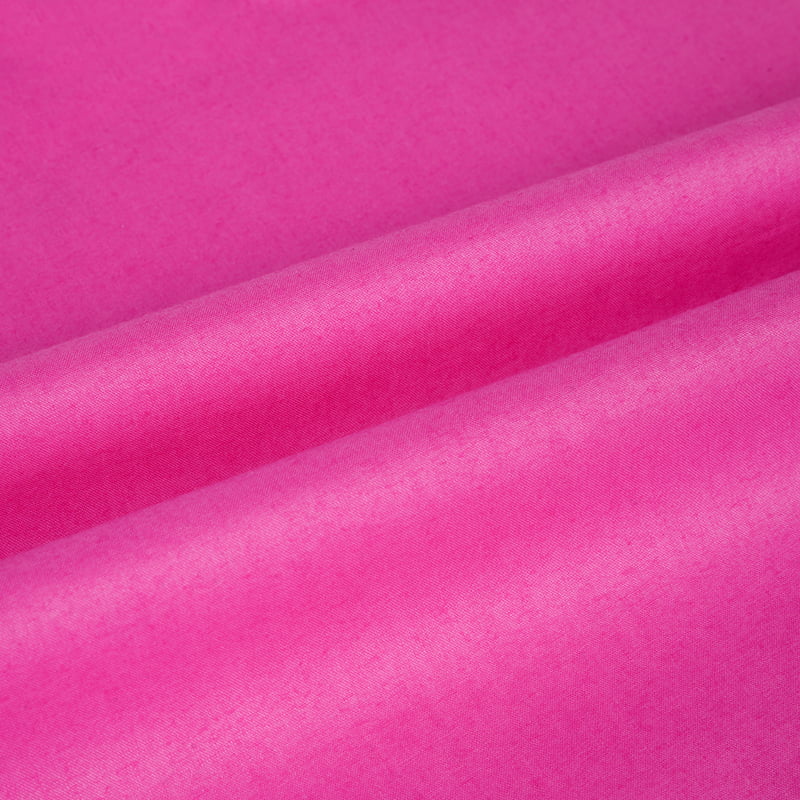

Are Dyed Cotton Woven Fabrics the Future of Sustainable Textiles?
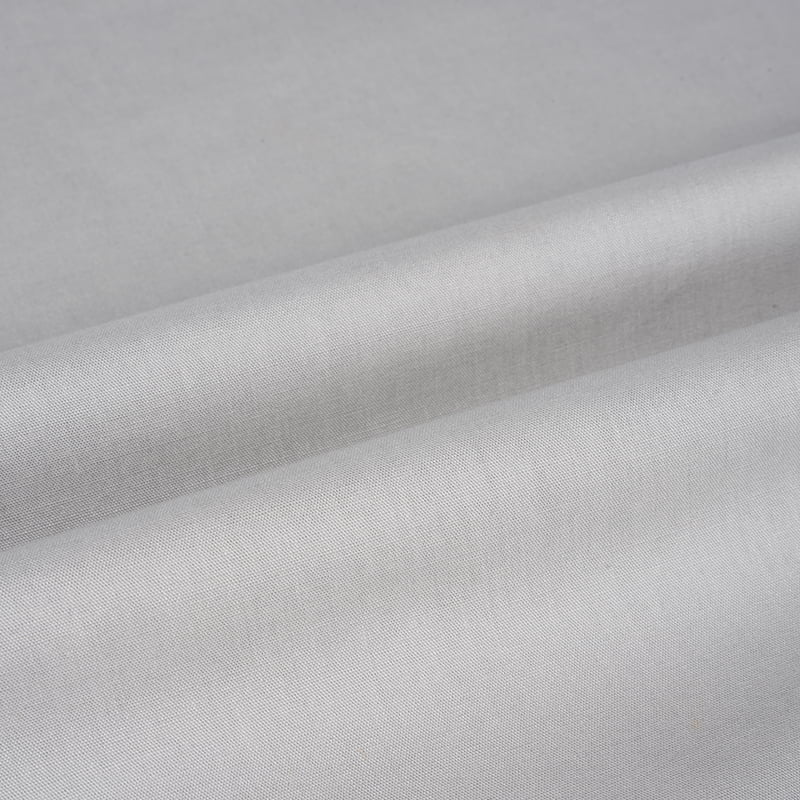
Dyed cotton woven fabrics, a cornerstone of the textile industry for centuries, are undergoing a quiet revolution. Once a simple commodity, these materials are now at the center of a complex conversation about sustainability, technological innovation, and consumer demand. As the world seeks more eco-friendly alternatives, the production and dyeing of cotton fabrics are evolving, presenting both challenges and exciting opportunities. This article delves into the intricate world of dyed cotton woven fabric, exploring its history, the science behind its vibrant colors, and the path forward for a more sustainable future.
The Foundation: Understanding Woven Fabric and Cotton
To appreciate the nuances of dyed cotton woven fabric, we must first understand its two fundamental components: weaving and cotton. Weaving is the ancient art of interlacing two distinct sets of yarns or threads, the warp and the weft, to create a fabric. This process gives the material its structure, durability, and texture. Cotton, on the other hand, is a natural fiber prized for its softness, breathability, and versatility. The unique cellular structure of the cotton fiber makes it highly absorbent, a property that is crucial for effective dyeing.
The marriage of these two elements results in a material that is not only comfortable but also robust enough for a wide range of applications, from everyday apparel like shirts and jeans to home furnishings like bed linens and curtains. The natural color of cotton is a creamy white, making it an ideal canvas for the application of color, which brings us to the next critical step: dyeing.
The Science and Art of Dyeing Cotton
The journey from a plain cotton woven fabric to a vibrant, colorful one is a complex chemical and artistic process. Dyeing is not merely a matter of soaking fabric in colored water; it’s a precise science that requires a deep understanding of chemistry. Dyes are classified into several categories based on their chemical structure and how they interact with the cotton fiber.
Reactive dyes are the most common choice for dyeing cotton. They form a strong covalent bond with the cellulose molecules in the cotton fiber, creating a wash-fast and permanent color. This chemical reaction ensures the dye doesn’t fade or bleed easily, a critical factor for maintaining the fabric’s aesthetic appeal over time. Other dye classes, such as direct dyes and vat dyes, also have their place, each with unique properties that make them suitable for specific applications. Direct dyes are simpler to apply but offer less wash fastness, while vat dyes are known for their exceptional color vibrancy and light fastness, particularly for deep blues like indigo.
The dyeing process itself involves several stages:
- Pre-treatment: Before dyeing, the fabric is scoured to remove impurities like waxes and oils, and bleached to achieve a uniform base color.
- Dyeing: The fabric is submerged in a dye bath containing the dye, salt (to aid dye uptake), and an alkali (to facilitate the chemical reaction).
- Rinsing and Fixing: After the dye has bonded with the fiber, the fabric is thoroughly rinsed to remove excess dye and then treated with a fixing agent to further enhance color fastness.
This intricate process highlights why the quality of dyed cotton woven fabric is so dependent on both the raw material and the technical expertise of the dyer.
The Sustainability Question: Innovations in Dyeing
The textile industry’s environmental footprint is a significant concern, and dyeing is often a major contributor. Traditional dyeing methods can be water-intensive, consuming vast amounts of fresh water and discharging effluent that contains un-fixed dyes and chemicals. This has spurred a wave of innovation aimed at creating more sustainable practices for producing dyed cotton woven fabric.
Waterless dyeing techniques are at the forefront of this movement. One such method, supercritical carbon dioxide (CO2) dyeing, uses pressurized CO2 as the solvent instead of water. The dye dissolves in the CO2, which then penetrates the fiber, depositing the color. After dyeing, the CO2 is depressurized and converted back into a gas, leaving no liquid waste. This technology promises to dramatically reduce water consumption and eliminate the need for harsh chemicals.
Another promising area is the development of natural dyes. Derived from sources like plants, insects, and minerals, these dyes offer a beautiful and environmentally friendly alternative to synthetic ones. While they can be more challenging to work with and may offer a more limited color palette, companies are exploring ways to make natural dyes more scalable and consistent. For instance, innovative mordant techniques—chemical fixatives used to help natural dyes bond with fibers—are being developed to improve color fastness and vibrancy.
The Future is Bright: Blending Tradition with Technology
The future of dyed cotton woven fabric lies in the successful integration of time-honored techniques with cutting-edge sustainable technologies. Consumers are increasingly demanding transparency and sustainability, pushing manufacturers to adopt more responsible practices. This shift is not just about reducing environmental harm; it’s also about creating a product with a story and a purpose.
For a producer of high-quality textiles, such as SHAOXING TANGSILK TEXTILE CO.,LTD., staying ahead in this evolving landscape means continuously investing in research and development. The ability to source premium, sustainable cotton and to master innovative dyeing processes is what will set them apart. The focus is no longer just on the final product’s appearance but also on the integrity of its entire production chain.
The next generation of dyed cotton woven fabric will be defined by its ability to deliver on both aesthetics and ethics. This means fabrics with colors that are not only rich and long-lasting but also created with minimal environmental impact. The quest for sustainability is transforming the industry, making it not just about the threads that form a fabric, but also about the threads that connect us to the planet. As we look ahead, the journey of dyed cotton woven fabric will continue to be a testament to human ingenuity and our shared commitment to a more sustainable world.