English
 Español
 日本語
日本語 Deutsch
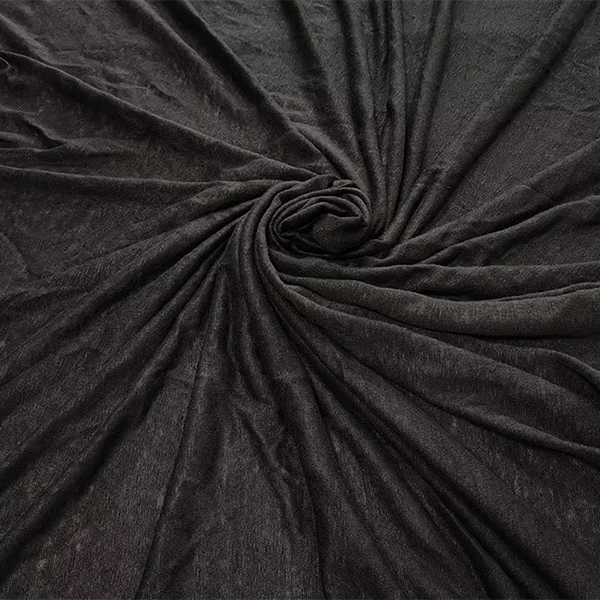


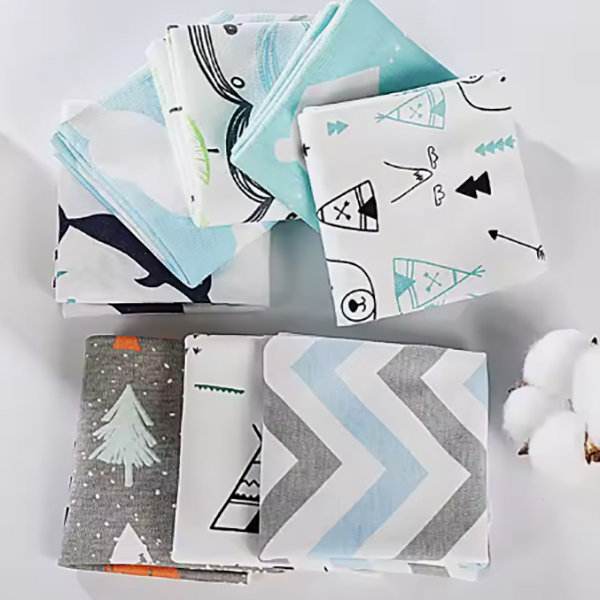
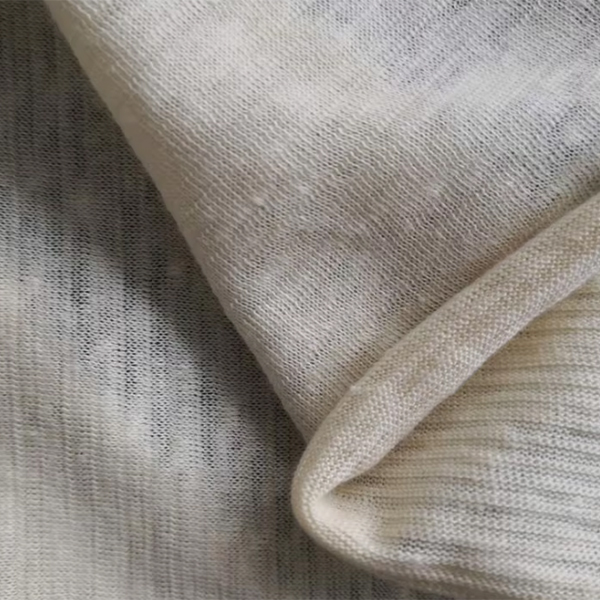

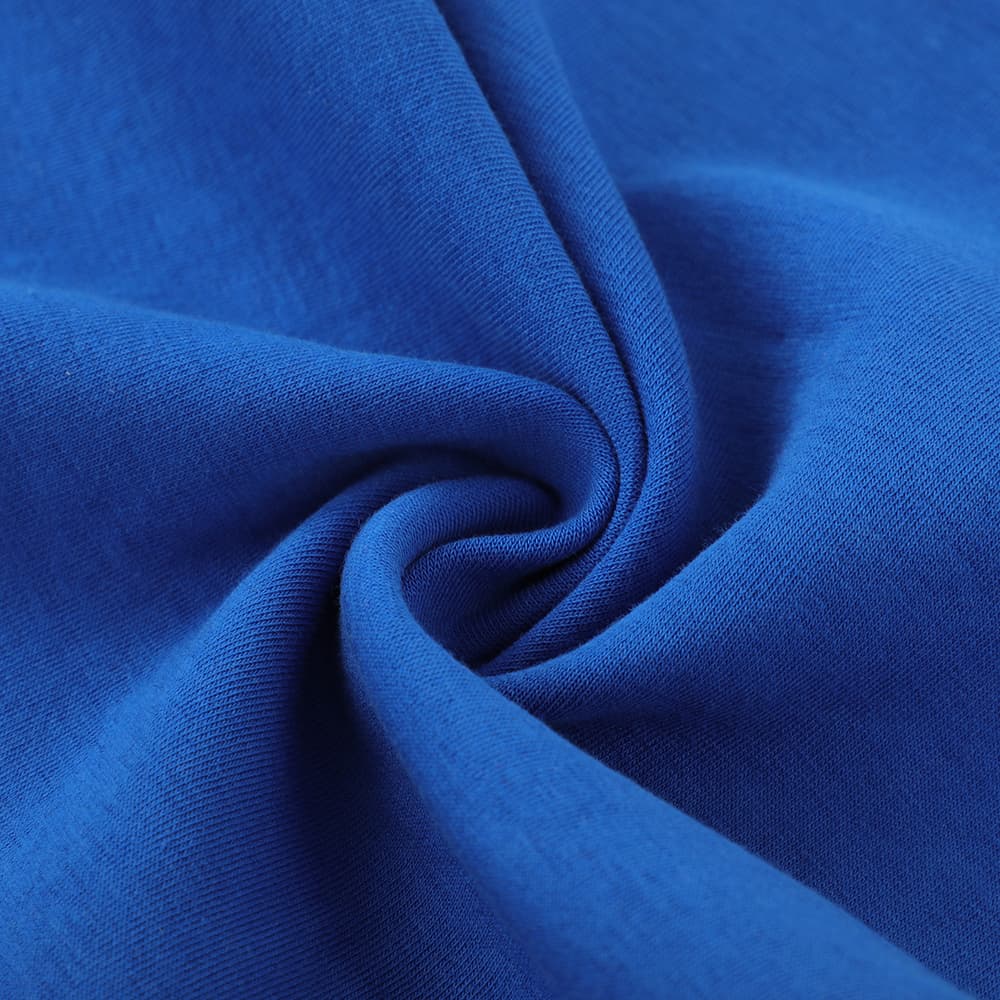

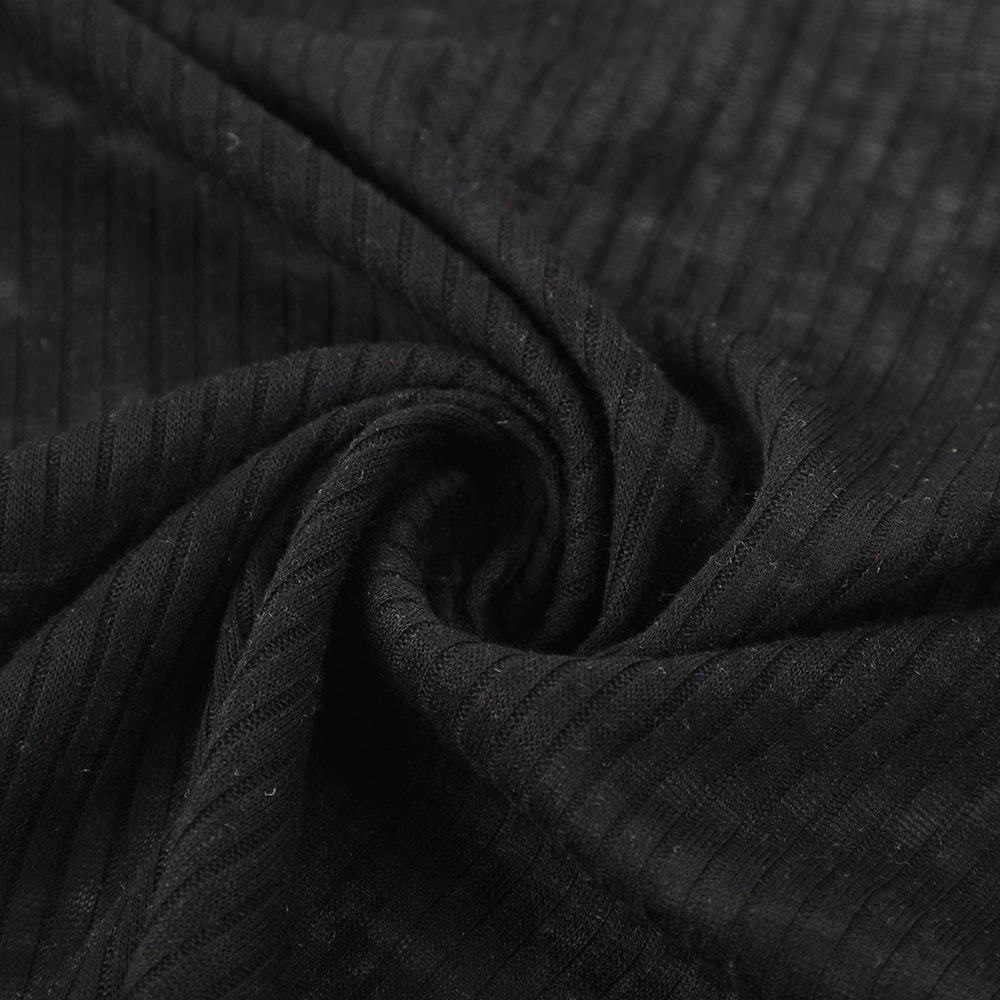

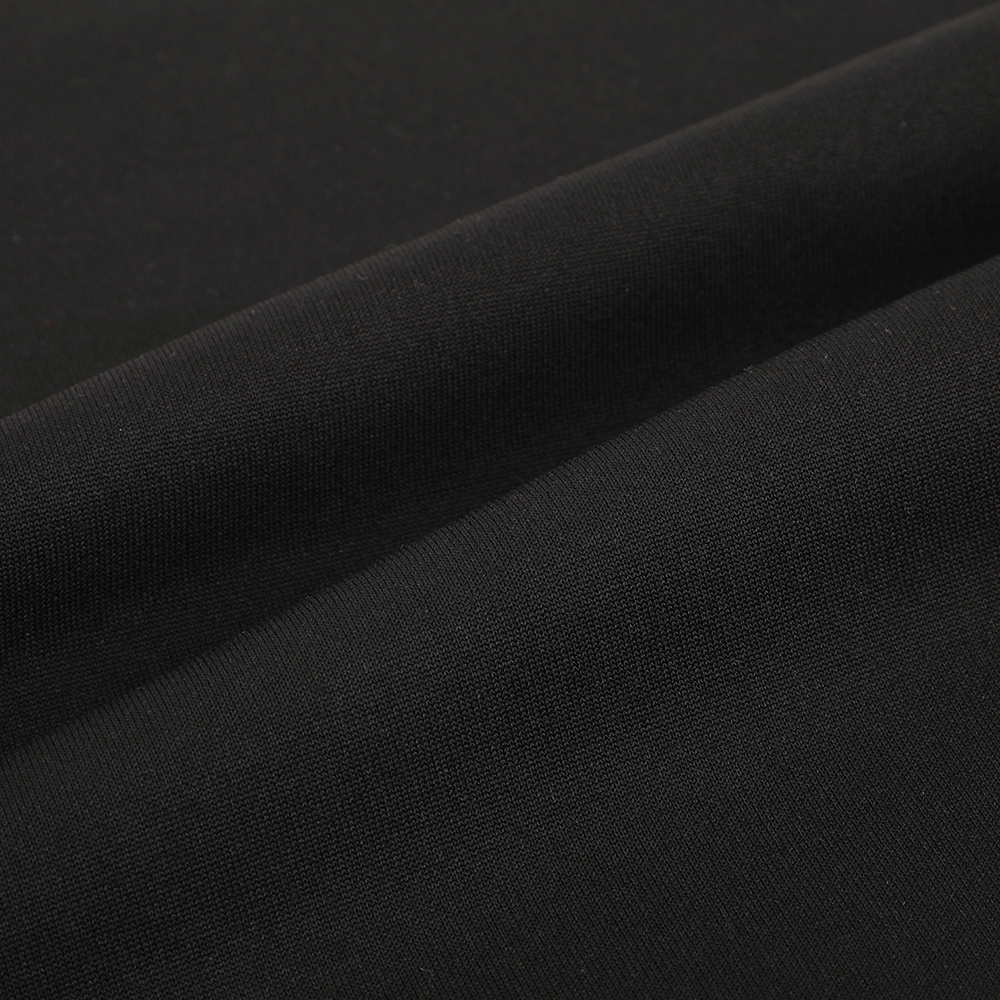
A Deep Dive into Fabric Craftsmanship: Distinguishing Machine, Hand, and Machine Hand Knitted Fabrics
In the world of textiles, the method of knitting determines a fabric's texture, feel, and ultimate use. As a company dedicated to the research and development of natural and high-performance fibers, Shaoxing Tangsi Textile Co., Ltd. understands the unique qualities of different knitting processes. Below, we'll take a deep dive into three common fabric knitting techniques to help you clearly differentiate them.
1. Machine Knitted Fabrics
As the name suggests, machine knitted fabrics are produced on an industrial scale using automated machines. This method is characterized by its efficiency, uniformity, and standardization. Machines can produce fabrics with consistent structure and density at a very high speed, significantly reducing production costs.
Key Characteristics:
- High Production Efficiency: Suitable for large-volume production to meet rapid market demand.
- Uniform Structure: The stitches and texture of the fabric are very neat and consistent, with almost no variations.
- Lower Cost: Automated production reduces labor input.
2. Hand Knitted Fabrics
Hand knitted fabrics are completely different from machine-knitted ones, relying entirely on manual operation. This is an ancient craft where every stitch and every thread is a testament to the artisan's dedication. Hand knitted fabrics cannot be mass-produced, and each piece has its own unique personality and warmth.
Key Characteristics:
- Uniqueness: Every hand-knitted item may have slight variations, making it impossible to achieve complete uniformity.
- Rich Texture: The texture and feel of hand-knitted items are more three-dimensional and soft.
- Time and Labor Intensive: The production cycle is long, and labor costs are high.
3. Machine Hand Knitted Fabrics
Machine hand knitted fabric is an innovative area of focus for companies like Shaoxing Tangsi Textile Co., Ltd. It cleverly combines the efficiency of machinery with the unique texture of handmade crafts. This type of fabric typically uses machines to create the basic knitted structure, after which skilled artisans perform a second round of processing or add localized handmade elements, such as embroidery, tassels, or special stitch patterns.
Key Characteristics:
- Balancing Efficiency and Individuality: Machines produce the base fabric, ensuring output and consistency, while the handmade portions give the product a unique artistic value.
- A Balance of Cost and Quality: Production costs are more manageable compared to purely hand-knitted items, while the products have higher added value and uniqueness compared to purely machine-knitted items.
- Sustainable Development Potential: This hybrid process can better utilize the properties of natural and high-performance fibers, injecting new vitality into the eco-friendly materials industry chain. This aligns perfectly with Shaoxing Tangsi Textile Co., Ltd.'s commitment to promoting environmentally friendly materials and reducing human environmental pollution.
Conclusion
In short, a machine knitted fabric is a standardized, large-scale industrial product; a hand knitted fabric is a unique work of art with the warmth of the artisan; and a machine hand knitted fabric is an innovative fusion. It adds a unique soul and higher value to the fabric while ensuring efficiency, which is an important direction for the future development of the textile industry.