English
 Español
 日本語
日本語 Deutsch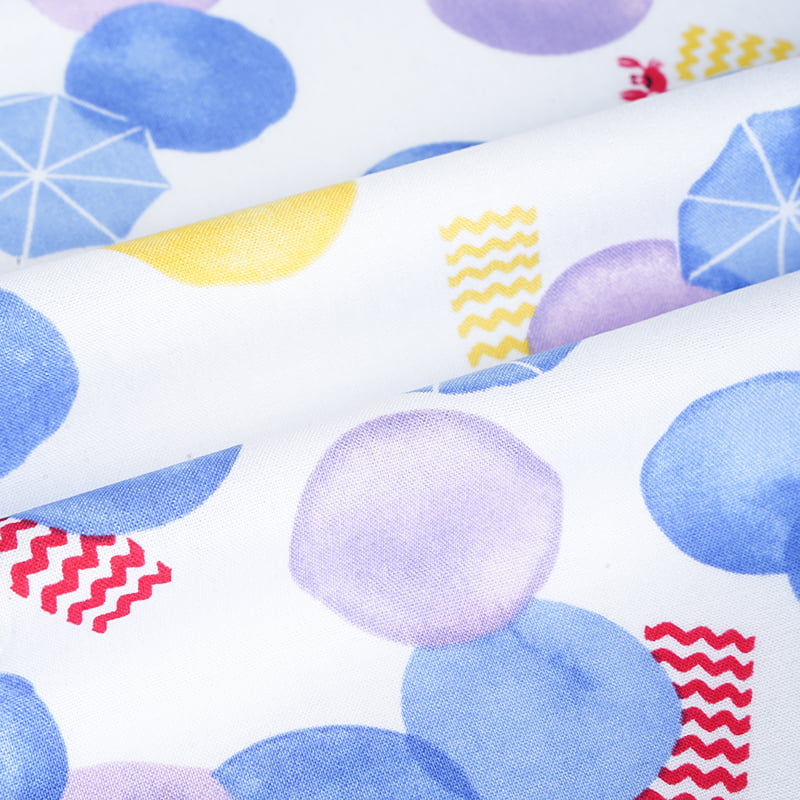
How Does Printed Rayon Woven Fabric Revolutionize the Textile Industry?
Printed rayon woven fabric is a staple in the modern fashion and textile world. But what makes it so special? This versatile material has an interesting history and a unique set of properties that have made it a favorite among designers, manufacturers, and consumers alike. This article dives deep into the science behind this fabric, its production process, and its impact on the global textile market. We’ll explore why its blend of comfort, style, and sustainability is driving its popularity and what the future holds for this remarkable material.
Understanding Rayon: The “Artificial Silk”
Before we can appreciate printed rayon woven fabric, we must first understand rayon itself. Often called “artificial silk,” rayon is not a completely synthetic material like polyester or nylon, nor is it a natural fiber like cotton or wool. Instead, it falls into a unique category of regenerated cellulosic fibers. This means it is made from purified cellulose, typically sourced from wood pulp.
The journey from wood pulp to fabric is a fascinating chemical process. The most common method, the viscose process, involves treating the cellulose with a series of chemicals to dissolve it into a thick, syrupy liquid known as viscose. This viscose is then extruded through tiny holes (spinnerets) into a chemical bath that causes the cellulose to solidify back into a fine filament. These filaments are then spun into yarn, which can be woven or knitted.
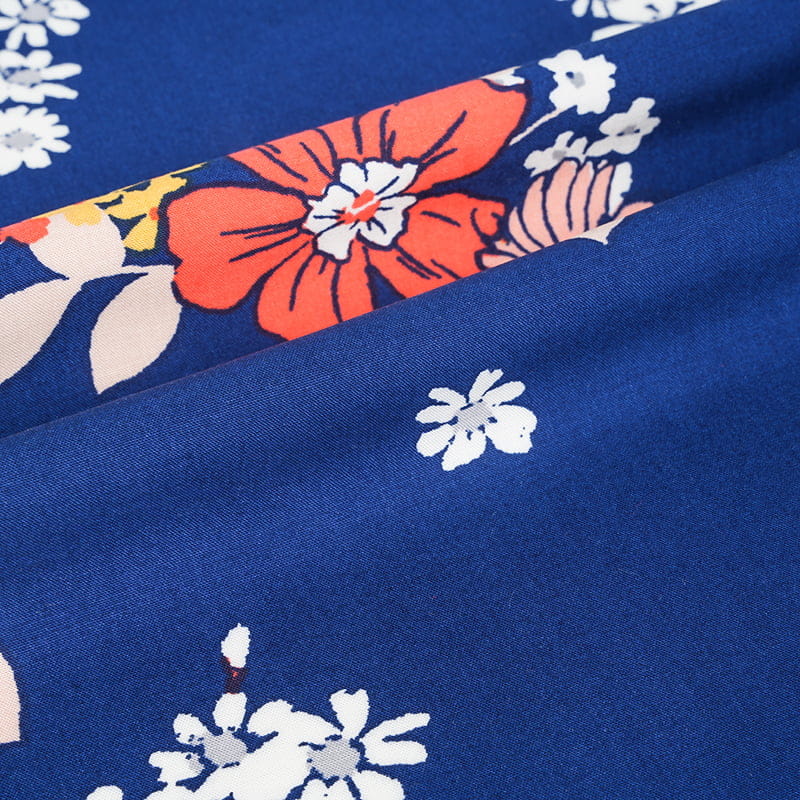
Rayon’s structure is key to its properties. The regenerated cellulose fibers have a smooth, almost microscopic surface, which is why the fabric has a soft, drapey feel similar to silk. The chemical treatment also allows for excellent dye absorption, which is why printed rayon fabrics can display such vibrant and long-lasting colors. This ability to hold intricate designs with crisp lines and rich hues is one of the primary reasons for its widespread use in fashion.
The Art and Science of Printing on Woven Rayon
While the base fabric is remarkable on its own, the real magic happens during the printing process. Woven rayon provides an ideal canvas for various printing techniques. The tight, interlaced structure of a woven fabric, as opposed to a knit, provides a stable surface that prevents the ink from bleeding, allowing for sharp and detailed patterns.
There are several methods used to apply prints to rayon woven fabric, each with its own advantages:
- Screen Printing: This traditional method uses a series of screens, one for each color in the design. Ink is forced through the screen onto the fabric. It’s excellent for bold, graphic designs and is a cost-effective choice for large production runs.
- Rotary Printing: An evolution of screen printing, this method uses a series of engraved cylindrical rollers. The fabric passes under these rollers, each applying a different color. This technique is known for its high speed and is perfect for creating continuous, repeating patterns on massive quantities of fabric.
- Digital Printing: The most modern technique, digital printing works much like an inkjet printer on paper. It offers unparalleled design flexibility, allowing for complex, multi-colored, and photorealistic prints with no color limits. This method is highly efficient for small runs and custom designs, as it eliminates the need for expensive screens or rollers.
The choice of printing technique directly influences the final look and feel of the printed rayon woven fabric. Digital printing, for example, can create incredibly soft and subtle hand-feels, as the ink is applied in a very fine layer, unlike the thicker deposit from screen printing.
The Role of Woven Rayon in Sustainable Fashion
In an era where sustainability is paramount, printed rayon woven fabric offers a compelling alternative to more environmentally taxing materials. The raw material, wood pulp, is a renewable resource. However, it’s crucial to acknowledge that not all rayon is created equal in terms of environmental impact. The traditional viscose process can be water-intensive and may use harmful chemicals. This has led to the development of more sustainable variations of rayon.
One such innovation is Lyocell, a form of rayon produced in a closed-loop system where solvents are recycled and reused, significantly reducing chemical waste. Another is Modal, a type of rayon known for its exceptional softness and resistance to shrinkage. Companies that prioritize sustainability often source their rayon from responsibly managed forests, earning certifications like the Forest Stewardship Council (FSC).
When considering the full life cycle of a garment, printed rayon woven fabric shines. It is biodegradable, meaning it will break down naturally at the end of its life, unlike synthetic fibers that can persist in landfills for centuries. This eco-friendly characteristic makes it a valuable material for brands looking to reduce their environmental footprint and appeal to eco-conscious consumers.
Practical Applications and Market Impact
The versatility of printed rayon woven fabric is evident in its wide range of applications. Its lightweight, breathable nature and excellent drape make it a top choice for women’s apparel, including blouses, dresses, skirts, and scarves. It’s also increasingly used in menswear for casual shirts and lightweight trousers. The fabric’s ability to hold a vibrant print also makes it ideal for home furnishings like decorative pillows and curtains, adding a touch of color and elegance to interior spaces.
The global demand for this fabric is a testament to its value. The market for regenerated cellulosic fibers continues to grow as the industry seeks alternatives to cotton, which can be water-intensive, and petroleum-based synthetics. The ability to produce beautiful, comfortable, and relatively affordable textiles with this material has made it a key player in the fast-fashion and ready-to-wear markets.
For businesses looking to source high-quality materials, understanding the nuances of rayon and its printing process is crucial. The selection of materials and production partners can make all the difference in the final product’s quality and market appeal. In our experience working with companies across the globe, the focus on sustainable sourcing and innovative design is what sets successful brands apart. When we collaborate with a client like SHAOXING TANGSILK TEXTILE CO.,LTD., for example, we see firsthand how a commitment to quality control and a deep knowledge of textile technology can yield fabrics that are not only visually stunning but also durable and responsibly made.
The Future of Printed Rayon Woven Fabric
The textile industry is in a constant state of innovation, and printed rayon woven fabric is no exception. Advances in digital printing technology are making it easier and more affordable to create highly customized, small-batch runs, opening the door for independent designers and niche brands. Furthermore, ongoing research into bio-based and closed-loop manufacturing processes will continue to improve the environmental profile of rayon.
Expect to see new finishes and treatments that enhance the fabric’s properties, such as improved wrinkle resistance or moisture-wicking capabilities. The fusion of traditional textile knowledge with cutting-edge science will ensure that printed rayon woven fabric remains a relevant and beloved material for years to come. Its combination of natural feel, beautiful aesthetics, and progressive sustainability makes it a powerhouse material for the future.