English
 Español
 日本語
日本語 Deutsch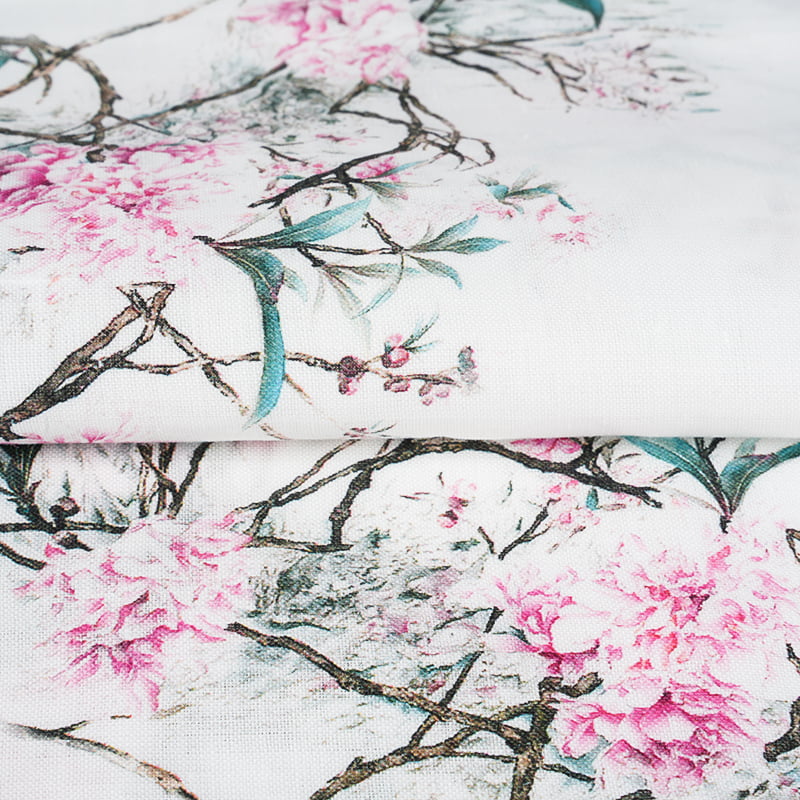

Is Printed Linen Woven Fabric the Future of Sustainable Textiles?
The Ancient Art and Modern Science of Linen
Linen fabric, woven from the fibers of the flax plant, is one of humanity’s oldest textiles. Its history stretches back thousands of years, from the mummies of ancient Egypt to the luxurious garments of European royalty. But in the modern world, where fashion and sustainability are increasingly intertwined, printed linen woven fabric has emerged as more than just a nod to the past; it’s a dynamic, innovative material shaping the future of textiles. This unique combination of a time-honored weave and contemporary printing techniques offers a compelling blend of natural beauty, durability, and artistic potential.
So, what exactly makes this material so special? It begins with the flax plant itself. Unlike cotton, flax requires minimal water and pesticides to grow, making it a far more environmentally friendly crop. The entire plant can be used, with the fibers processed for textiles and the seeds harvested for oil. This minimal-waste approach sets a strong foundation for sustainability. The process of turning flax into linen is a delicate one, involving several steps from harvesting and retting to spinning the fibers into yarn and finally weaving them into a fabric. The result is a naturally lustrous, strong, and highly breathable material that becomes softer with every wash.
The Power of Print: Transforming Linen’s Potential
While traditional, solid-colored linen has a timeless appeal, the addition of printing opens up a universe of design possibilities. The inherent texture of linen gives each print a unique, slightly rustic character, ensuring no two pieces are exactly alike. Modern printing technology has allowed for the creation of intricate, multi-colored designs that were once impossible.
There are several key methods for creating printed linen woven fabric:
- Digital Printing: This is the most versatile and precise method. Digital printers apply ink directly to the fabric, allowing for complex, photo-realistic designs and an almost unlimited color palette. It’s an excellent choice for detailed patterns and custom work.
- Screen Printing: A more traditional method, screen printing uses a series of stencils and screens to apply ink. While it can be more labor-intensive, it’s known for producing vibrant colors and a thick, durable layer of ink. This technique is often used for bold, graphic designs.
- Dye Sublimation: This method is particularly effective for linen blends. A design is printed onto a special transfer paper and then, using heat and pressure, the ink is converted into a gas that bonds with the fabric fibers. The result is a permanent, high-definition print that won’t fade or crack.
Each printing technique offers a different aesthetic and functional benefit, but all of them are built on the foundational qualities of linen: breathability, durability, and a natural feel.
Why Printed Linen is More Than Just a Trend
The appeal of printed linen woven fabric goes beyond its visual qualities. Its natural properties make it an ideal choice for a wide range of applications, from fashion to home decor. In clothing, linen’s exceptional breathability and moisture-wicking capabilities make it the go-to material for warm weather garments. A printed linen dress or shirt not only looks stylish but keeps the wearer cool and comfortable.
For home furnishings, the durability of linen makes it a perfect choice for items that see a lot of use, such as curtains, tablecloths, and upholstery. A printed linen curtain can transform a room with its natural light-filtering properties and unique pattern. It also possesses natural antibacterial and hypoallergenic qualities, making it a hygienic choice for bedding and linens. This combination of aesthetics, functionality, and health benefits positions printed linen as a truly superior material.
The increasing demand for sustainable and ethically produced textiles has further cemented linen’s importance. Consumers are no longer just looking for a beautiful product; they want to know its story. The flax plant’s minimal environmental impact, coupled with linen’s long lifespan, makes it a responsible choice. This is where the commitment of dedicated textile manufacturers becomes vital. They must ensure that the entire production chain, from flax cultivation to the final print, is handled with care and respect for both the environment and the craft. When working with global partners, for example, a company must ensure that the suppliers meet rigorous standards for quality and sustainability. We see this level of dedication in the work of textile companies like SHAOXING TANGSILK TEXTILE CO.,LTD., where the focus on high-quality, woven fabrics provides a solid base for stunning prints.
In a world filled with fast fashion and disposable goods, printed linen woven fabric stands out as a beacon of quality and longevity. It tells a story of craftsmanship, from the fields where the flax is grown to the looms where the fabric is woven, and finally to the skilled hands that apply the finishing prints. It’s a material that honors tradition while embracing the innovations of the modern world.