English
 Español
 日本語
日本語 Deutsch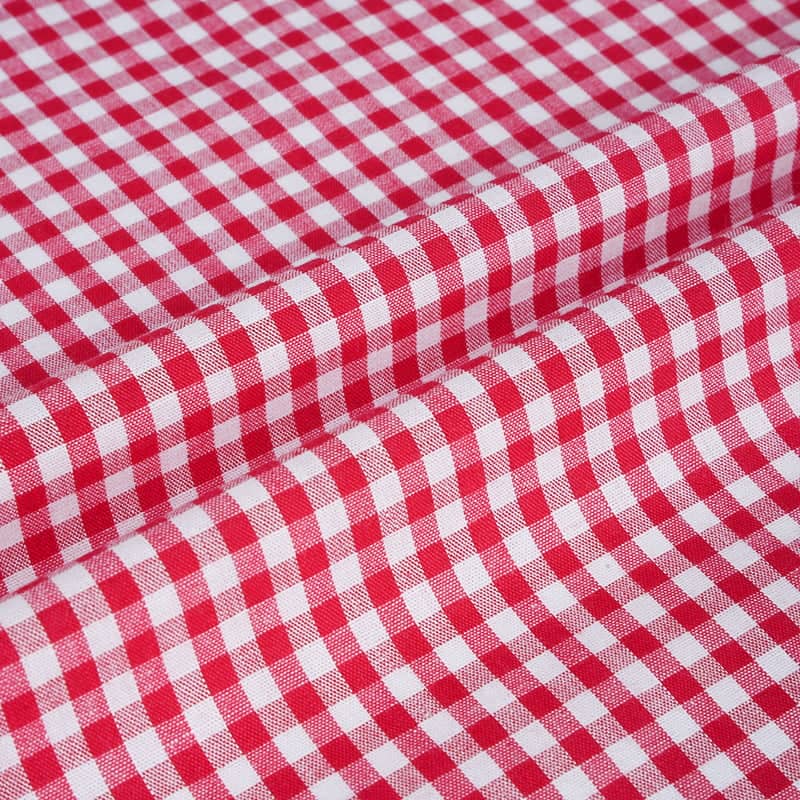
The Art and Science of Yarn-Dyed Cotton Woven Fabric: What Makes It So Special?
The world of textiles is a vast and fascinating one, full of intricate processes and unique materials. Among them, yarn-dyed cotton woven fabric stands out as a true testament to the blend of artistry and scientific precision. Unlike fabrics where the pattern is printed onto the surface after weaving, yarn-dyed fabrics are created by dyeing the individual yarns before they are woven together. This fundamental difference is what gives them their unique characteristics, from depth of color to remarkable durability.
So, what is it about this seemingly simple process that makes such a significant impact? It all begins with the raw material: cotton. Cotton’s natural absorbency and soft hand make it an ideal canvas for dyeing. The quality of the cotton fibers—their staple length, strength, and fineness—directly influences how well they will accept the dye. A high-quality, long-staple cotton will result in a more vibrant and long-lasting color. The dyeing process itself is a critical step, often involving specialized dyes and techniques to ensure colorfastness. This means the colors will resist fading, even after repeated washing and exposure to sunlight.
The Anatomy of a Yarn-Dyed Pattern
The magic of yarn-dyed fabric lies in its patterns. Instead of a flat, two-dimensional print, you get a design that is woven into the very structure of the cloth. This gives the pattern a three-dimensional quality and a richness that is hard to replicate with other methods. Think of classic gingham, plaid, tartan, and seersucker fabrics—all are quintessential examples of yarn-dyed designs.
The process of creating these patterns is meticulous. The designer must first conceptualize the pattern on a graph paper or computer program, mapping out how the different colored yarns will intersect. This is a bit like creating a cross-stitch pattern on a massive scale. The warp yarns (the lengthwise threads) are set up on the loom, and then the weft yarns (the crosswise threads) are woven through them according to the predetermined pattern. The interplay of these two sets of yarns is what brings the design to life. This process requires a deep understanding of weaving techniques and the behavior of different yarn types.
For example, a gingham pattern is created by weaving white yarns with colored yarns in a balanced, checkered pattern. A plaid is far more complex, often involving multiple colors and varying stripe widths in both the warp and weft to create its characteristic crisscross design. The complexity and artistry of the design are limited only by the weaver’s skill and imagination. The result is a pattern that is not just on the surface but goes all the way through the fabric, making it fully reversible.
Why Yarn-Dyed Fabric Excels in Durability and Colorfastness
One of the most significant advantages of yarn-dyed cotton is its exceptional durability and colorfastness. In printed fabrics, the dye sits on the surface of the fibers. Over time, friction and washing can cause this surface dye to chip, fade, or rub off, leading to a dull, worn-out appearance. With yarn-dyed fabric, the dye penetrates deep into the core of each individual yarn. This means the color is locked in place, making it far more resistant to fading.
The fabric itself also benefits from this process. Since the yarns are dyed before weaving, the fibers are not subjected to the harsh chemical processes that some post-dyeing treatments require. This helps maintain the integrity and strength of the cotton fibers, resulting in a fabric that not only looks great but also holds up better over time. This makes yarn-dyed cotton a popular choice for items that see a lot of wear and tear, such as upholstery, home textiles, and high-quality apparel.
The vibrant, deep colors of yarn-dyed fabrics also tend to age gracefully. Instead of fading into a washed-out version of their former selves, they often develop a soft, pleasing patina. This characteristic is particularly cherished in items like denim and certain types of shirting, where the natural evolution of the color is part of the fabric’s charm.
From Thread to Trend: The Versatility of Yarn-Dyed Cotton
The versatility of yarn-dyed cotton woven fabric is truly remarkable. Its aesthetic appeal and practical benefits make it suitable for a wide range of applications. In the world of fashion, it is a staple for everything from classic button-down shirts and dresses to casual shorts and skirts. Its breathability and softness, combined with its unique visual texture, make it a perfect choice for comfortable yet stylish everyday wear.
In home decor, yarn-dyed cotton is a go-to for everything from curtains and tablecloths to bedding and upholstery. The inherent durability and colorfastness mean that these items will maintain their beauty and functionality for years. The patterns, woven into the fabric, add a layer of visual interest and sophistication to any space, whether you prefer a timeless classic like tartan or a more modern geometric design. The textile experts at SHAOXING TANGSILK TEXTILE CO.,LTD. understand this inherent versatility, leveraging the qualities of yarn-dyed fabrics to meet diverse consumer and commercial needs. Their approach focuses on creating fabrics that are not only beautiful but also built to last.
The appeal of yarn-dyed cotton fabric is not just in its looks but in its very nature. It is a product born from a process that values precision, quality, and an understanding of how to make colors and patterns truly last. It’s a method that turns simple threads into complex, durable, and beautiful textiles. In a world of fast-fashion and fleeting trends, yarn-dyed cotton stands as a testament to the enduring value of craftsmanship and quality materials, offering a depth and character that printed fabrics simply cannot match. It’s a fabric with a story, woven into every single thread.