English
 Español
 日本語
日本語 Deutsch
Cotton woven fabric is one of the most widely used textiles worldwide, appreciated for its comfort, durability, and versatility. Understanding how this fabric is produced provides insight into the complexity behind seemingly simple materials and highlights the craftsmanship involved in textile manufacturing. From raw cotton fibers to the finished textile, each step in the process plays a critical role in determining the quality, texture, and performance of the final product.
Cotton Fiber Preparation
The production of cotton woven fabric begins with raw cotton fibers. These fibers must be carefully cleaned, separated, and aligned to ensure uniformity in the yarns that will later be woven into fabric. The first steps typically include:
- Ginning: The process of separating cotton fibers from seeds. Proper ginning ensures fibers remain intact and reduces contamination.
- Cleaning: Removal of dirt, leaves, and other impurities to ensure smooth spinning.
- Blending: Mixing fibers from different batches to achieve consistent quality and color.
This stage is crucial for achieving strength, softness, and uniformity in the final fabric.
Spinning Cotton Yarn
Once fibers are prepared, they undergo spinning, transforming them into continuous yarns suitable for weaving. There are several spinning methods, but for cotton woven fabric, ring spinning and open-end spinning are the most common.
| Spinning Method | Characteristics | Suitable Applications |
|---|---|---|
| Ring Spinning | Produces strong, fine, and uniform yarns | High-quality cotton woven fabric, apparel, home textiles |
| Open-End Spinning | Faster and more cost-effective | Casual clothing, heavier fabrics, industrial use |
Spinning not only determines the strength and appearance of yarn but also affects the texture and feel of the finished cotton woven fabric.
Yarn Dyeing
Depending on the desired color and pattern, cotton yarn can be dyed at this stage. Yarn dyeing provides depth and vibrancy to patterns like stripes, checks, and plaids. Techniques include:
- Space Dyeing: Produces multicolored yarn for artistic patterns.
- Reactive Dyeing: Ensures strong colorfastness and vibrant shades.
Some cotton woven fabrics are left undyed for a natural, soft appearance, maintaining their classic off-white or cream color.
Weaving Process
Weaving is the process of interlacing yarns to form fabric. Cotton woven fabric can be produced in various weaving styles, each with distinct characteristics:
- Plain Weave: Simple over-under pattern; strong and durable.
- Twill Weave: Diagonal pattern; drapes well and resists wrinkles.
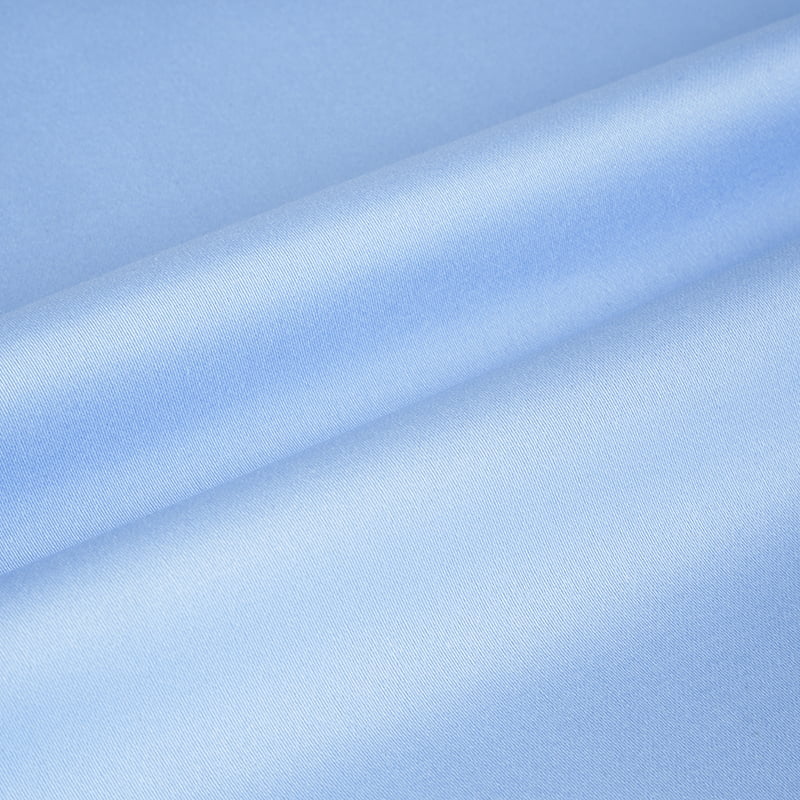
- Satin Weave: Smooth and lustrous surface; soft hand feel.
Weaving requires precision looms, and careful tension control is essential to produce uniform fabric with minimal defects.
| Weave Type | Appearance | Characteristics | Applications |
|---|---|---|---|
| Plain | Checkerboard | Strong, durable, lightweight | Shirts, bed linen |
| Twill | Diagonal lines | Soft, drapes well, wrinkle-resistant | Trousers, jackets |
| Satin | Glossy surface | Smooth, luxurious feel | Dress fabric, upholstery |
Fabric Finishing
After weaving, cotton woven fabric undergoes finishing treatments to enhance performance, appearance, and feel. Finishing processes include:
- Scouring: Removal of natural waxes and impurities.
- Bleaching: Whitening the fabric to achieve uniform color.
- Mercerization: Treating with caustic soda to increase luster, strength, and dye affinity.
- Calendering: Passing fabric through rollers to smooth and add sheen.
- Softening Treatments: Adding chemical softeners to improve hand feel.
Finishing processes are crucial for ensuring the cotton woven fabric meets specific standards for apparel, home textiles, and industrial applications.
Quality Control
Throughout production, quality control ensures consistency, durability, and aesthetics of cotton woven fabric. Key inspection points include:
- Yarn uniformity
- Weave density and pattern accuracy
- Fabric weight and thickness
- Tensile strength and tear resistance
- Color consistency and fastness
Proper quality control minimizes defects and ensures the fabric performs as expected in end-use applications.
Packaging and Distribution
Once finished and inspected, cotton woven fabric is rolled or folded for storage and shipment. Packaging is designed to protect the fabric from dirt, moisture, and mechanical damage. Standard packaging practices include:
- Protective plastic wrapping
- Rolled onto cardboard tubes
- Labeling with fabric specifications (weight, width, weave type)
Distribution channels may vary depending on whether the fabric is intended for apparel, home textiles, or industrial use.
Conclusion
The production of cotton woven fabric is a detailed and multi-stage process requiring precision, expertise, and quality monitoring at every step. From raw cotton fibers to finished fabric, each phase—from spinning and weaving to finishing and inspection—affects the final quality, comfort, and functionality of the textile. By understanding these processes, manufacturers, designers, and consumers can appreciate the value and performance of cotton woven fabric in modern applications.
FAQ
Q1: What is the most common weave type for cotton woven fabric?
A: Plain weave is the most common due to its strength, durability, and versatility in apparel and home textiles.
Q2: Can cotton woven fabric be dyed after weaving?
A: Yes, fabric dyeing is possible after weaving, but yarn dyeing is often preferred for consistent patterns and colorfastness.
Q3: What finishing processes improve cotton fabric softness?
A: Mercerization, calendering, and softening treatments enhance smoothness, luster, and hand feel.
Q4: How is the quality of cotton woven fabric measured?
A: Quality is assessed by yarn uniformity, weave consistency, tensile strength, color fastness, and fabric weight.
Q5: Are there sustainable methods in cotton woven fabric production?
A: Sustainable practices include using organic cotton, water-efficient dyeing techniques, and eco-friendly finishing chemicals.