English
 Español
 日本語
日本語 Deutsch
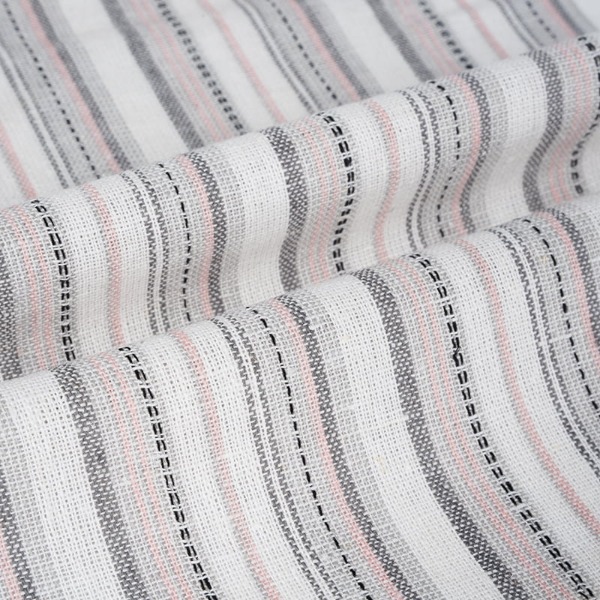
Linen blended fabric has gained immense popularity in recent years, especially in the fashion industry, due to its eco-friendly characteristics. As environmental concerns become more pressing, consumers and manufacturers are seeking sustainable materials that minimize their ecological footprint. Linen blended fabric offers a perfect balance of natural sustainability and comfort, making it an excellent choice for eco-conscious apparel.
Understanding Linen Blended Fabric
Linen blended fabric is a textile made by combining linen with other fibers, such as cotton, polyester, or viscose. Linen, derived from the flax plant, is one of the oldest known fibers and has long been valued for its strength and durability. When blended with other materials, it enhances the fabric’s texture, appearance, and performance, while still retaining many of its eco-friendly qualities.
Unlike synthetic fabrics, linen is a natural, biodegradable fiber that requires fewer pesticides and fertilizers to cultivate. As a result, it has a relatively low environmental impact when compared to petroleum-based fibers such as polyester and nylon.
Key Properties of Linen Blended Fabric
| Property | Linen | Linen Blended Fabric |
|---|---|---|
| Source | Flax plant | Combination of linen with other fibers like cotton, polyester, viscose |
| Durability | Very durable | Enhanced strength, softness, and flexibility |
| Breathability | Highly breathable | Retains breathability with added comfort |
| Biodegradability | Fully biodegradable | Still eco-friendly, though blended fibers may vary |
| Water Consumption | Low water usage | Dependent on the blending material |
| Carbon Footprint | Low | Can vary based on blend type, but generally low compared to synthetics |
Environmental Benefits of Linen Blended Fabric
Sustainable Production
One of the major advantages of linen is its sustainable production process. Flax, the plant from which linen is derived, grows well in temperate climates with minimal water requirements and is resistant to pests. It requires less pesticide use compared to other crops, making it an environmentally friendly choice.
When combined with fibers such as cotton, which also has a lower environmental impact than synthetic fibers, linen blended fabrics become even more eco-friendly. This combination reduces the need for synthetic fibers, which are petroleum-based and contribute to pollution during their production.
Biodegradability
Linen itself is fully biodegradable, meaning it will naturally decompose when disposed of, leaving behind no harmful residues. Although the biodegradable nature of linen blended fabric can vary depending on the other fibers used, it still presents a more sustainable option than petroleum-based alternatives, which can take hundreds of years to decompose.
Lower Carbon Footprint
The carbon footprint of linen is significantly lower than that of synthetic fibers. The production of polyester, for example, emits large amounts of carbon dioxide into the atmosphere. By opting for linen blended fabrics, manufacturers and consumers can reduce the overall carbon footprint of the apparel industry.
Water Usage
Water consumption is a critical factor in evaluating the environmental impact of fabrics. Linen requires relatively little water to grow compared to other crops like cotton. This makes linen blended fabric an excellent option for eco-conscious apparel production, as it helps conserve water resources.
Linen Blended Fabric in Women’s Clothing
Women’s clothing has increasingly embraced linen blended fabric due to its versatility, comfort, and eco-friendly benefits. From dresses to blouses, trousers, and skirts, linen-blended fabrics are perfect for creating stylish, breathable, and comfortable clothing options that also prioritize sustainability.
Comfort and Durability for Everyday Wear
Linen blended fabrics are known for their comfort and softness. The addition of other fibers like cotton or viscose enhances the fabric’s texture, making it smoother and more pleasant to wear. Additionally, the breathability of linen ensures that women’s clothing remains cool and comfortable, even in warmer climates.
Linen’s durability also makes it an excellent choice for everyday wear. Clothing made from linen blended fabrics can withstand frequent washing and wear without losing their shape or quality. This durability adds to the overall longevity of garments, making them more sustainable by reducing the need for replacements.
Style and Aesthetic Appeal
Linen blended fabrics also offer a range of design possibilities. They have a natural texture that adds an organic, stylish feel to women’s clothing. Whether for casual wear or more formal attire, linen-blended garments can be tailored to suit various aesthetics, from relaxed summer dresses to sleek, professional attire.
Why Linen Blended Fabric Is Considered Eco-Friendly
Less Waste in Production
The process of manufacturing linen is generally more sustainable compared to synthetic fabrics. Linen production involves fewer chemicals, and the production of linen-blended fabric often makes use of materials that would otherwise go to waste, such as cotton scraps.
Eco-Conscious Consumers
As consumers become more environmentally conscious, the demand for eco-friendly fabrics like linen has risen. Linen blended fabrics, with their low impact on the environment, meet the growing trend of sustainable fashion, particularly in the context of women’s clothing, where eco-friendly alternatives are in high demand.
Renewable Resource
Flax, the plant from which linen is made, is a renewable resource. Unlike petroleum-based fibers, flax regenerates each season, making linen a renewable option for sustainable fashion.
Conclusion
Linen blended fabric offers a sustainable and eco-friendly option for the apparel industry, particularly for women’s clothing. Its natural properties, combined with the benefits of blending with other fibers, make it an excellent alternative to synthetic fabrics.
FAQ
1. Is linen blended fabric 100% eco-friendly?
Linen itself is a sustainable fiber, and when blended with other natural fibers like cotton, it remains a relatively eco-friendly option. However, blends with synthetic fibers like polyester may reduce its biodegradability.
2. How does linen blended fabric compare to cotton in terms of environmental impact?
Linen generally has a lower environmental impact than cotton, especially in terms of water usage and pesticide application. However, cotton can be more widely available and is often blended with linen for added softness.
3. Can linen blended fabrics be used for all types of clothing?
Yes, linen blended fabrics are versatile and can be used for various types of clothing, including dresses, shirts, trousers, and jackets, offering comfort, breathability, and style.
4. How does linen blended fabric benefit the fashion industry?
Linen blended fabric contributes to the fashion industry’s sustainability by reducing reliance on synthetic fibers, decreasing the carbon footprint, and offering a biodegradable option for consumers.
5. What are the maintenance requirements for linen blended fabrics?
Linen blended fabrics are relatively easy to maintain, though they may require gentle washing to preserve their softness and shape. It is recommended to avoid high heat during drying to maintain the fabric’s quality.