English
 Español
 日本語
日本語 Deutsch
Introduction
When choosing the right fabric for various applications, durability often plays a critical role in ensuring longevity and overall performance. Cotton woven fabric, known for its softness and versatility, stands out in many textile categories. However, how does it compare to other materials in terms of durability?
What is Cotton Woven Fabric?
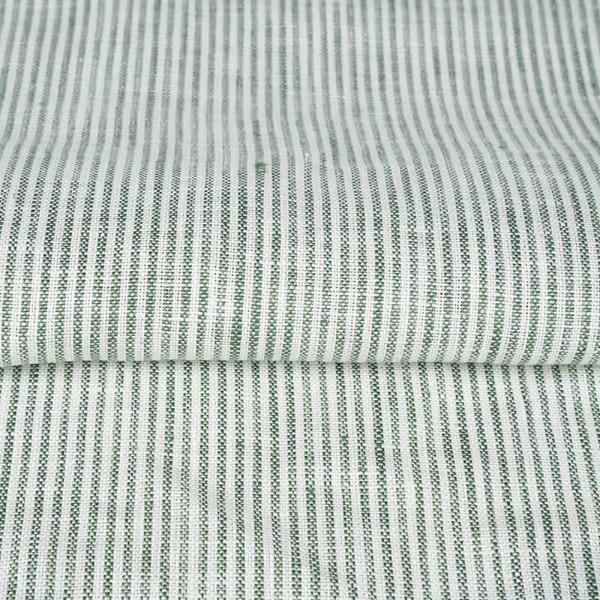
Cotton woven fabric is made by weaving cotton fibers in a specific pattern, typically using a combination of warp and weft threads. This process creates a fabric that is strong, breathable, and highly versatile. Lightweight woven cotton fabrics are often used in various sectors, including fashion, home décor, and textiles.
Durability Characteristics of Cotton Woven Fabric
Strength and Wear Resistance
Cotton woven fabric offers moderate strength, especially when compared to synthetics like polyester and nylon. The fabric’s inherent softness, combined with its construction, makes it resilient to everyday wear and tear. However, it can be susceptible to damage when exposed to harsh conditions for prolonged periods.
Abrasion Resistance
Cotton woven fabric has a decent level of abrasion resistance. However, it is less durable in high-friction applications than synthetic fabrics. While it may be perfect for lighter clothing and bedding, it is not ideal for items subjected to constant friction, such as industrial uniforms or outdoor gear.
Color Retention
One of the strengths of cotton woven fabric is its ability to retain dye colors for a considerable time. When properly treated, it resists fading from normal washing. However, over time, exposure to sunlight and repeated washing can cause some fading, especially if the fabric is not properly cared for.
Shrinkage
Cotton woven fabric, like other natural fibers, tends to shrink when washed or exposed to high heat. This is a common challenge for cotton fabrics in general, and it affects their long-term durability. Pre-shrinking treatments can help mitigate this issue to some extent.
Moisture Absorption
Cotton is highly absorbent, making it ideal for fabrics used in warmer climates. While its moisture-wicking properties add to its comfort, prolonged exposure to moisture can weaken the fibers over time, affecting its overall durability. Compared to synthetic fabrics like polyester, cotton absorbs more moisture, which can lead to deterioration when subjected to wet conditions frequently.
Cotton Woven Fabric vs. Synthetic Fabrics
Cotton vs. Polyester
Polyester is often touted for its durability, particularly in terms of resistance to shrinking, fading, and wear. When compared to cotton woven fabric, polyester tends to be more durable in harsh conditions. However, it lacks cotton’s breathability and natural feel. Cotton woven fabric may not have the same lifespan as polyester in some applications, but it is favored for its comfort and eco-friendliness.
Cotton vs. Nylon
Nylon is another synthetic fabric known for its impressive strength and durability. It is highly resistant to abrasion and is often used in outdoor applications like camping gear and luggage. While cotton woven fabric may not match nylon’s toughness in extreme environments, it offers better comfort and breathability, making it more suitable for daily wear in less demanding conditions.
Cotton vs. Linen
Linen, like cotton, is a natural fiber and is renowned for its breathability and comfort. However, linen is more prone to wrinkles and can be less durable than cotton in certain circumstances. Cotton woven fabric generally has better strength and resistance to damage from frequent washing, making it a longer-lasting option compared to linen.
Cotton vs. Wool
Wool is another natural fiber, known for its warmth and insulation properties. While wool has excellent resistance to wear and tear, it is prone to shrinking when washed improperly. Cotton woven fabric, on the other hand, is less insulating but is generally more versatile in terms of comfort and durability across various seasons.
Advantages of Cotton Woven Fabric in Various Applications
Despite some drawbacks in extreme conditions, cotton woven fabric remains a popular choice due to its balance of comfort and durability. Here are some of the common applications where it excels:
-
Fashion and Apparel: Lightweight woven cotton fabrics are frequently used in casual clothing, shirts, and dresses. Their breathability and soft texture make them suitable for all-day wear.
-
Home Textiles: Cotton woven fabric is commonly used in bedding, curtains, and upholstery. It is comfortable, easy to maintain, and long-lasting under normal household conditions.
-
Workwear: For light-duty workwear, cotton woven fabric offers sufficient durability while maintaining comfort. It is less suitable for high-risk or high-friction environments, where more robust synthetics might be necessary.
Durability Comparison Table
| Fabric | Strength | Abrasion Resistance | Shrinkage | Moisture Absorption | Color Retention |
|---|---|---|---|---|---|
| Cotton Woven Fabric | Moderate | Moderate | High | High | Good |
| Polyester | High | High | Low | Low | Excellent |
| Nylon | Very High | Very High | Low | Low | Good |
| Linen | Moderate | Low | High | High | Good |
| Wool | High | Moderate | High | Moderate | Excellent |
FAQ
1. Is cotton woven fabric suitable for outdoor gear?
While cotton woven fabric is durable for everyday use, it may not withstand extreme outdoor conditions like synthetic fabrics. It is more suited for light-duty outdoor gear.
2. How can I maintain cotton woven fabric to improve its durability?
To maintain its durability, wash cotton woven fabric in cold water, avoid high heat, and follow care instructions to prevent shrinkage and fading.
3. Does cotton woven fabric fade easily?
Cotton woven fabric can fade over time with exposure to sunlight and repeated washing, but with proper care, it retains color reasonably well.
4. Is cotton woven fabric eco-friendly?
Yes, cotton woven fabric is made from natural fibers, making it a more eco-friendly option compared to synthetic fabrics.
Conclusion
In terms of durability, cotton woven fabric strikes a balance between comfort, longevity, and versatility. While it may not match the toughness of synthetic fabrics in extreme conditions, its natural feel, breathability, and wide range of applications make it a popular choice for both everyday wear and home textiles. By properly maintaining cotton woven fabric, its durability can be extended significantly, allowing it to perform well in various environments and applications.