English
 Español
 日本語
日本語 Deutsch
Linen has long been known for its durability, breathability, and natural beauty, making it a popular choice in the textile industry. However, when blended with other fibers, it enhances its properties, making it an ideal fabric for all-season clothing. Linen blended fabric, especially when woven into versatile fabrics, offers a perfect balance of comfort, style, and performance throughout the year.
Understanding Linen Blended Fabric
Linen blended fabric refers to any fabric where linen fibers are mixed with other materials, such as cotton, polyester, viscose, or spandex. This blend allows manufacturers to retain the desirable qualities of linen—such as its breathability and moisture-wicking properties—while mitigating some of the material’s drawbacks, like its tendency to wrinkle easily. The blend creates a more durable, versatile, and easy-care fabric suitable for various clothing applications.
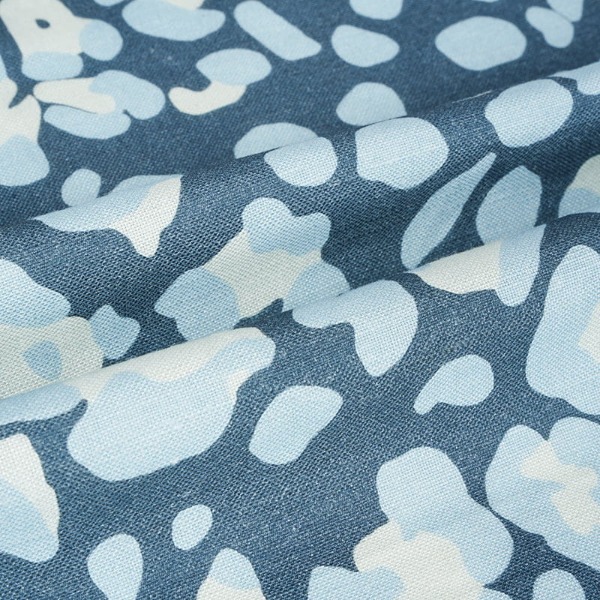
Linen blended woven fabrics are particularly noteworthy due to their inherent texture and smoothness. The woven structure contributes to the fabric’s durability and resistance to wear and tear, enhancing its ability to endure in multiple weather conditions.
The Versatility of Linen Blended Fabric
One of the most significant advantages of linen blended fabric is its adaptability across seasons. The blend of linen with other fibers helps regulate the fabric’s texture and breathability, making it suitable for both hot summer months and cooler winter days. The properties of the fabric can be manipulated by varying the percentage of linen and the type of blending fiber, allowing it to become a perfect choice for year-round wear.
Linen and Cotton Blend
Combining linen with cotton results in a fabric that maintains the breathability of linen while adding the softness and smoothness of cotton. This blend creates an ideal material for light, breathable clothing in warmer seasons, while still being comfortable for layering in the colder months. Linen-cotton blends are widely used for shirts, dresses, and trousers, offering the right amount of stretch and softness, without compromising durability.
Linen and Polyester Blend
When linen is blended with polyester, the fabric gains strength and resilience. Polyester also enhances the wrinkle-resistant properties of linen, making it easier to maintain. This blend works well for outerwear and casual garments, ensuring that the fabric doesn’t lose its shape or structure through various temperatures. Polyester-linen blends are also known for their resistance to shrinking and fading, making them highly practical for long-term wear.
Linen and Viscose Blend
A linen-viscose blend creates a fabric that combines the breathability of linen with the softness and drape of viscose. Viscose adds a silky, smooth texture that enhances the aesthetic appeal of linen blended woven fabrics. This combination is particularly ideal for spring and fall seasons, as it offers comfort while still looking sophisticated for formal and semi-formal clothing options.
Linen and Spandex Blend
When blended with spandex, linen offers more flexibility and stretch, making it suitable for activewear and performance apparel. The stretchability of spandex allows for greater comfort, while linen ensures moisture-wicking properties to keep the wearer cool and dry. The linen-spandex blend is particularly suited for all-season workout gear, activewear jackets, and leggings.
Benefits of Linen Blended Fabric for All-Season Clothing
Breathability and Moisture-Wicking Properties
Linen’s natural ability to absorb moisture without feeling damp is one of the reasons it is perfect for clothing worn across seasons. In summer, linen blended fabric ensures breathability by allowing air to flow freely through the fabric, keeping the body cool. In winter, its moisture-wicking properties help the wearer stay dry by drawing moisture away from the body, preventing the buildup of sweat that could lead to chills.
Durability
Linen blended fabric is significantly more durable than pure linen, especially when mixed with synthetic fibers like polyester. The resulting fabric can withstand extensive use and frequent washing without losing its shape, texture, or appearance. This long-lasting durability makes linen blended woven fabrics ideal for all types of garments, from casual everyday wear to more formal attire.
Temperature Regulation
Linen blended fabric maintains a natural temperature-regulating ability, making it ideal for changing temperatures. The fabric’s lightweight and breathable nature allow it to keep the wearer cool in hot weather, while the insulating qualities of the blend help retain warmth when temperatures drop. This makes it a preferred choice for people who live in areas with fluctuating climates or need versatile clothing that can be worn across various seasons.
Wrinkle Resistance
One of the main drawbacks of pure linen is its tendency to wrinkle easily, which can make it appear less polished. However, when blended with fibers like polyester, cotton, or viscose, the fabric’s resistance to wrinkles increases significantly. The added fibers help to maintain the fabric’s smooth appearance, ensuring that clothing remains crisp throughout the day, even in the heat of summer.
Eco-Friendly
Blending linen with sustainable fibers like cotton, bamboo, or hemp enhances the eco-friendliness of the fabric. Linen is a biodegradable and renewable resource, and when blended with natural materials, it becomes even more sustainable. For eco-conscious consumers, linen blended fabric presents a great option for high-performance, environmentally friendly clothing.
Linen Blended Fabrics for Different Clothing Categories
Linen blended fabric is used across a wide range of clothing categories, and its versatility ensures that it meets the functional requirements of various garments. Below are a few common clothing types that benefit from the use of linen blended woven fabrics.
| Clothing Type | Fabric Blend | Ideal Season | Benefits |
|---|---|---|---|
| Shirts | Linen + Cotton | All-Season | Soft, breathable, and easy-care |
| Trousers | Linen + Polyester | Spring/Fall | Wrinkle-resistant, durable |
| Jackets | Linen + Viscose | Fall/Winter | Smooth texture, flexible |
| Activewear | Linen + Spandex | All-Season | Stretch, moisture-wicking |
| Suits | Linen + Wool | Spring/Fall | Breathable, temperature-regulating |
| Dresses | Linen + Rayon | Summer/Autumn | Light, flowy, comfortable |
All-Season Shirts
Shirts made from linen and cotton blends are lightweight, comfortable, and perfect for wearing year-round. Their soft, breathable texture makes them especially ideal in the warmer months, but they can also be layered for cooler weather.
Year-Round Trousers
Linen blended with polyester results in trousers that offer durability, breathability, and minimal wrinkles. These trousers are perfect for casual or business settings and can be worn year-round, depending on the fabric’s thickness.
Activewear & Performance Clothing
Linen blended with spandex or polyester creates activewear that stretches and provides comfort while maintaining its moisture-wicking properties. These fabrics are ideal for outdoor activities or gym wear, offering both performance and style.
How to Care for Linen Blended Fabric
Caring for linen blended fabric is simple and straightforward. The fabric is generally machine washable, although it’s always best to check the care instructions based on the specific fiber blend. Linen blends tend to retain their shape and color longer than pure linen, thanks to the added fibers. For wrinkle-free clothing, using a steamer or ironing while the fabric is slightly damp is recommended.
For garments made from linen and polyester blends, it’s advisable to wash them in cold water to prevent shrinkage. Similarly, linen-cotton blends should be air-dried to preserve the fabric’s texture and breathability.
Conclusion
Linen blended fabric offers the best of both worlds by combining linen’s natural, breathable properties with the added durability, flexibility, and easy-care features of other fibers. Whether it’s a casual shirt, a business suit, or activewear, linen blended woven fabrics provide versatility, comfort, and practicality. The ability to regulate temperature, resist wrinkles, and maintain shape makes it an excellent choice for all-season clothing, ensuring that it remains a staple in wardrobes across the world.
FAQ
Q1: What is linen blended fabric?
Linen blended fabric is a textile that combines linen fibers with other materials such as cotton, polyester, or viscose to enhance its properties. This blend improves the fabric’s durability, wrinkle resistance, and comfort, making it ideal for all-season clothing.
Q2: Why is linen blended fabric ideal for all-season clothing?
Linen blended fabric is versatile due to its temperature-regulating properties, breathability, and moisture-wicking ability. It keeps the wearer cool in the summer and warm in the winter, making it perfect for year-round wear.
Q3: What are the common blends used with linen?
Linen is commonly blended with cotton, polyester, viscose, and spandex. Each blend enhances specific qualities such as softness, durability, flexibility, or wrinkle resistance, depending on the intended use of the fabric.
Q4: How should I care for linen blended fabric?
Linen blended fabrics are generally easy to care for. They can usually be machine washed, although it’s best to check the care instructions. Air drying is recommended to prevent shrinkage, and a steamer can be used to remove wrinkles.
Q5: Is linen blended fabric environmentally friendly?
Yes, linen is a sustainable material, and when blended with other natural fibers like cotton or hemp, it becomes even more eco-friendly. The biodegradable nature of linen makes it a great choice for those seeking sustainable fabric options.