English
 Español
 日本語
日本語 Deutsch
Rayon woven fabric, a versatile material made from regenerated cellulose fiber, has gained significant popularity in the textile industry. It is widely used for various applications, ranging from clothing to home textiles.
What is Rayon Woven Fabric?
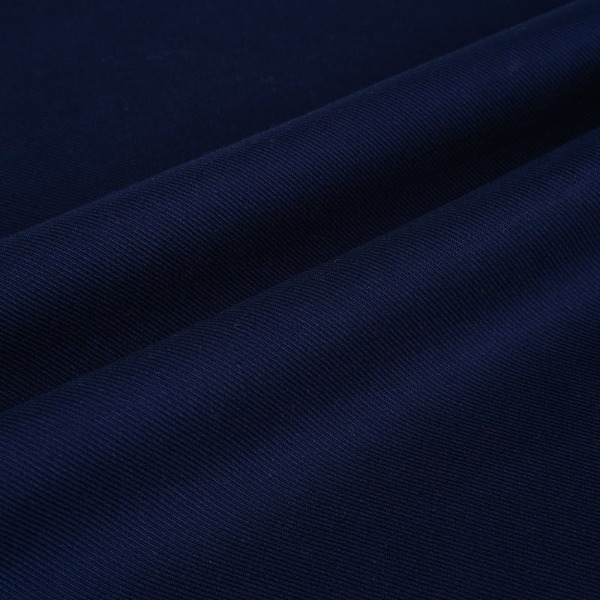
Rayon woven fabric is made from natural cellulose fibers, typically derived from wood pulp or cotton linters. It is a semi-synthetic fiber that undergoes chemical treatment to produce threads, which are then woven into fabric. This fabric is known for its silk-like texture, breathability, and lightweight properties. Rayon can be manufactured in different forms, including viscose rayon, modal, and lyocell, each offering unique characteristics.
In woven form, rayon fabric is engineered with tightly woven threads, enhancing its structural integrity. It is often used in both fashion and functional textiles, such as dresses, blouses, upholstery, and bed linens, due to its soft and smooth texture.
Durability of Rayon Woven Fabric
Durability is one of the most critical factors in choosing any fabric, whether for clothing or home textiles. Let’s compare the durability of rayon woven fabric with that of other popular fabrics.
Rayon vs. Cotton
Cotton is one of the most widely used fabrics in the world due to its softness, breathability, and versatility. However, when it comes to durability, rayon woven fabric tends to outperform cotton in several ways. Rayon is more resistant to abrasion, which means it can maintain its structure longer with minimal wear and tear. Cotton, on the other hand, is more prone to fraying and losing its shape after multiple washes.
Moreover, cotton fabrics may shrink after washing, while rayon woven fabric is less likely to shrink, provided proper care instructions are followed. However, rayon is still sensitive to excessive moisture and heat, which may cause the fibers to lose their strength over time.
Rayon vs. Polyester
Polyester, a synthetic fiber, is known for its high durability. It is resistant to wrinkles, fading, and shrinking, making it a low-maintenance option. In terms of strength, polyester tends to outperform rayon woven fabric, as it is less prone to damage from environmental factors like sunlight and moisture.
However, when it comes to comfort, rayon woven fabric takes the lead. Rayon’s natural fiber content provides a more breathable and comfortable feel, especially in hot weather. Polyester, being a synthetic fiber, lacks the same level of breathability, often leading to discomfort in warmer climates.
Rayon vs. Silk
Silk is often considered the epitome of luxury, and its durability is superior to that of rayon woven fabric. Silk fibers are stronger and more resilient, but they require careful handling to avoid damage. Rayon woven fabric, while luxurious in appearance and feel, is more prone to damage from environmental factors like sunlight, moisture, and rough handling. However, rayon can be a more affordable alternative to silk with a similar aesthetic.
Comfort of Rayon Woven Fabric
Comfort is a significant factor when choosing fabric for clothing and home textiles. Rayon woven fabric is known for its comfort due to its soft texture and lightweight feel. Let’s explore how it compares to other fabrics in terms of comfort.
Rayon vs. Cotton
Both rayon woven fabric and cotton are breathable fabrics, making them comfortable to wear in hot weather. However, rayon tends to feel cooler against the skin due to its smooth texture, while cotton can sometimes feel heavier and less breathable in humid conditions. Rayon is also less likely to cling to the body, providing a more fluid and relaxed fit compared to cotton, which can feel stiff or heavy.
Rayon vs. Polyester
In terms of comfort, rayon woven fabric excels over polyester. Polyester fabrics, being synthetic, are not as breathable as rayon. This can cause discomfort, especially in hot or humid weather. Rayon’s natural cellulose fibers allow for better moisture absorption, keeping the wearer cooler and more comfortable. Polyester, on the other hand, can trap moisture and heat, leading to discomfort and irritation.
Rayon vs. Silk
Silk is the benchmark for comfort, offering a smooth, luxurious feel against the skin. It is known for its temperature-regulating properties, keeping the wearer warm in cooler weather and cool in warmer temperatures. While rayon woven fabric comes close to silk in terms of texture and softness, it may not have the same level of temperature regulation. Silk is also more breathable than rayon, making it ideal for luxury garments.
Comparative Analysis in Durability and Comfort
Let’s summarize the comparative durability and comfort characteristics of rayon woven fabric in the table below:
| Fabric Type | Durability | Comfort |
|---|---|---|
| Rayon Woven | Moderate durability, prone to damage from moisture and heat. | Soft, breathable, smooth texture; cool to the touch. |
| Cotton | Good durability, prone to shrinkage and fraying. | Soft, breathable, but can feel stiff or heavy in humid conditions. |
| Polyester | Very durable, resistant to wrinkles, fading, and shrinking. | Less breathable, can feel uncomfortable in warm conditions. |
| Silk | Very durable with proper care; delicate and sensitive to wear. | Extremely smooth, luxurious, temperature-regulating, and breathable. |
Best Uses for Rayon Woven Fabric
Rayon woven fabric’s unique blend of durability and comfort makes it suitable for a variety of applications. Some of the best uses for rayon woven fabric include:
- Apparel: Rayon is commonly used in making dresses, blouses, skirts, and other garments due to its lightweight and breathable properties.
- Home Textiles: Rayon woven fabric is also used in curtains, bed linens, and upholstery, as it adds a soft touch and smooth texture to these items.
- Fashion Accessories: Scarves, shawls, and other accessories often incorporate rayon woven fabric for its drape and aesthetic appeal.
FAQ
1. Is rayon woven fabric durable?
Rayon woven fabric offers moderate durability. It is more resistant to abrasion compared to cotton but can be sensitive to moisture and heat, which may affect its longevity.
2. How does rayon woven fabric compare to cotton in terms of comfort?
Rayon woven fabric tends to be cooler and softer than cotton, offering a more breathable and comfortable fit, especially in warm conditions.
3. Can rayon woven fabric be used for outdoor applications?
Rayon woven fabric is not ideal for heavy outdoor use due to its sensitivity to moisture and environmental factors. However, it can be used in certain outdoor textiles, such as light curtains or decorative pieces.
4. Is rayon woven fabric better than polyester?
In terms of comfort, rayon woven fabric outperforms polyester as it is more breathable and cooler against the skin. However, polyester is more durable and requires less maintenance.
5. Can rayon woven fabric be machine-washed?
Rayon woven fabric is delicate and should be handled with care. It is recommended to follow specific care instructions to avoid damage, such as gentle washing and air drying.