English
 Español
 日本語
日本語 Deutsch
Linen fabrics have long been celebrated for their exceptional breathability, durability, and luxurious feel. Whether you’re considering pure linen or linen blended fabrics for your next project, understanding the key differences between the two can help you make a more informed choice.
What Is Pure Linen?
Pure linen is a fabric made from flax fibers, known for its natural, eco-friendly qualities and smooth texture. It’s considered one of the oldest textiles used by humans, and remains highly regarded for its superior breathability and moisture-wicking capabilities. The fabric is often woven into various forms, from lightweight summer garments to heavy-duty textiles for home furnishings.
The raw material, flax, is cultivated in regions with temperate climates and is processed to extract long fibers. The production of pure linen can be labor-intensive, as each flax plant must be carefully processed, and the fibers must be skillfully spun into thread.
Key Characteristics of Pure Linen:
- Natural Fiber: Made from 100% flax fibers.
- Breathability: Excellent moisture-wicking properties, ideal for warm climates.
- Durability: Known for its long-lasting qualities and strength.
- Luxurious Feel: Offers a smooth and slightly crisp texture.
- Eco-Friendly: Flax is a renewable resource with minimal environmental impact when properly sourced.
What Is Linen Blended Fabric?
Linen blended fabric is a mixture of linen and other fibers, commonly cotton, polyester, or rayon. By blending linen with other materials, manufacturers can enhance or modify the inherent properties of pure linen, resulting in a fabric that offers greater versatility, affordability, and easier care.
The main purpose of blending linen with other fibers is to create fabrics that are more resilient, smoother, and easier to maintain, without compromising the natural benefits of linen. These blended fabrics are widely used in fashion, upholstery, and industrial applications due to their improved properties.
Key Characteristics of Linen Blended Fabric:
- Blended Composition: Typically a mix of linen and other fibers, such as cotton, polyester, or rayon.
- Enhanced Durability: Often more resistant to wrinkles, fading, and shrinkage than pure linen.
- Cost-Effective: More affordable than 100% linen, as the other fibers can be less expensive.
- Easier Care: Less prone to creasing and easier to wash, making it practical for everyday use.
- Versatile Applications: Suitable for a wide range of uses, from clothing to home textiles.
Differences in Appearance
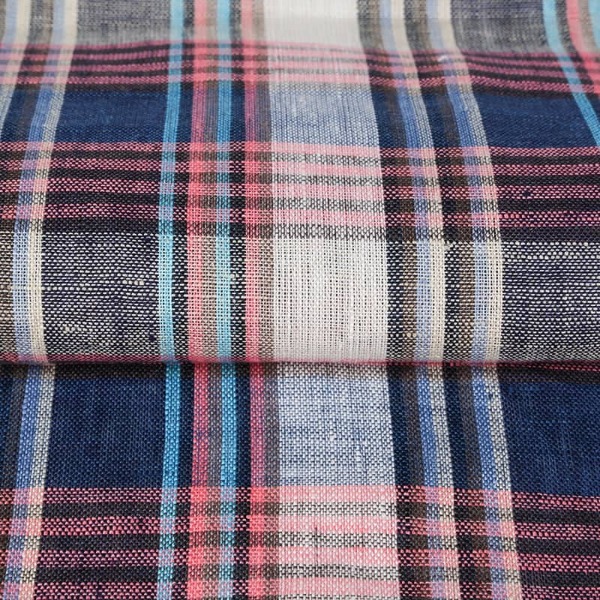
The most noticeable difference between pure linen and linen blended fabrics lies in their appearance. Pure linen has a distinct natural sheen, a slightly rough texture, and visible slubs (small knots in the fiber) that add to its rustic charm. Linen blended fabrics, on the other hand, often have a smoother texture, and the appearance can vary depending on the secondary fiber used in the blend.
For example:
- Pure Linen: Rougher surface with a natural sheen and noticeable texture.
- Linen Blended Fabric: Typically smoother, with a more even texture and a refined finish, especially when blended with materials like cotton or polyester.
Performance and Durability
Pure linen is known for its remarkable durability. It becomes softer with every wash, but it can be prone to creasing and wrinkling. Linen blended fabrics offer greater resistance to wrinkles, are generally more resistant to fading, and retain their shape over time. Additionally, the added fibers in linen blends contribute to the fabric’s resistance to shrinkage, which is a common issue with pure linen.
Performance Comparison:
| Characteristic | Pure Linen | Linen Blended Fabric |
|---|---|---|
| Durability | High | Moderate to High |
| Wrinkle Resistance | Prone to wrinkling | Wrinkle-resistant |
| Strength | Very strong | Strong, but can be less durable depending on blend ratio |
| Moisture-Wicking | Excellent | Good to Excellent |
| Shrinkage | Prone to shrinkage | Less prone to shrinkage |
Cost and Affordability
The price of pure linen is generally higher than that of linen blended fabrics. The process of harvesting flax, extracting fibers, and weaving them into fabric is more labor-intensive than manufacturing blended fabrics. This makes pure linen more expensive and often less affordable for everyday applications.
Linen blended fabrics, in contrast, benefit from the inclusion of cheaper fibers such as cotton or polyester, resulting in a more budget-friendly fabric option. Additionally, the ability to blend linen with synthetic fibers increases the overall cost-effectiveness, especially for large-scale textile production.
Care and Maintenance
Pure linen requires delicate care due to its natural fibers. It is best to wash it by hand or on a gentle cycle and avoid high heat when drying. If mishandled, it can shrink or lose its crispness.
On the other hand, linen blended fabrics tend to require less effort when it comes to washing and drying. For example, polyester blends are more resistant to wrinkling and can be machine washed and tumble dried without significant damage. This makes linen blended fabrics a more convenient choice for people who prioritize ease of care.
Applications of Pure Linen and Linen Blended Fabrics
- Pure Linen: Best suited for high-end products such as luxury bedding, high-fashion clothing, and home décor items where the natural beauty and breathability of linen are prioritized.
- Linen Blended Fabrics: Ideal for more functional items like everyday wear, casual clothing, and upholstery. They are also widely used in commercial and industrial textiles due to their enhanced durability and ease of care.
Conclusion
The choice between pure linen and linen blended fabrics depends on the intended application, desired fabric characteristics, and budget. Pure linen offers unrivaled natural beauty, breathability, and eco-friendliness but comes with higher costs and more delicate care requirements. Linen blended fabrics, while not as luxurious, provide a more affordable and versatile option with improved performance and easier maintenance.
FAQ
1. What is the main difference between pure linen and linen blended fabrics?
The main difference lies in their composition. Pure linen is made entirely from flax fibers, while linen blended fabrics combine linen with other fibers, such as cotton, polyester, or rayon, to enhance performance and affordability.
2. Is linen blended fabric as durable as pure linen?
While linen blended fabrics are generally durable, they may not be as strong or long-lasting as pure linen, especially when made with synthetic fibers. However, they offer better resistance to wrinkling and shrinkage.
3. Can linen blended fabrics be used for high-end applications?
Linen blended fabrics are versatile and can be used for a wide range of applications, including clothing and home textiles. While they may not offer the same premium feel as pure linen, they are suitable for both everyday and luxury items depending on the blend ratio.
4. Are linen blended fabrics easier to care for than pure linen?
Yes, linen blended fabrics are typically easier to care for, as they are less prone to wrinkling and shrinkage. Pure linen requires more careful handling to maintain its quality over time.
5. Which is more cost-effective, pure linen or linen blended fabrics?
Linen blended fabrics are generally more affordable than pure linen because they incorporate less expensive fibers, making them a more cost-effective option for many consumers and manufacturers.