English
 Español
 日本語
日本語 Deutsch
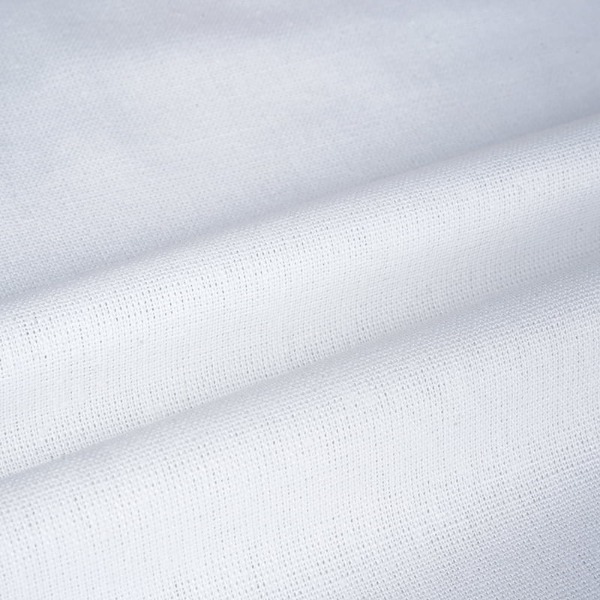
Linen has long been celebrated for its breathability and distinct texture, but in modern textile manufacturing, the rise of the linen blended fabric has revolutionized the industry. By weaving linen with fibers such as cotton, silk, or viscose, manufacturers create garments that retain the aesthetic charm of flax while gaining enhanced durability and wrinkle resistance. However, these hybrid materials require a specific maintenance protocol to prevent shrinkage and fiber degradation.
Understanding the Composition
Before initiating any cleaning process, it is vital to understand the nature of the blend. A linen blended fabric typically aims to mitigate the stiffness of pure linen. Because different fibers react uniquely to heat and moisture, the care strategy must cater to the most sensitive component of the mix.
| Fiber Combination | Primary Benefit | Care Sensitivity |
|---|---|---|
| Linen & Cotton | Increased softness | Moderate shrinkage risk |
| Linen & Viscose | Improved drape | High moisture sensitivity |
| Linen & Silk | Subtle luster | High heat sensitivity |
| Linen & Polyester | Wrinkle resistance | Low heat tolerance |
The Washing Process: Precision and Temperature Control
The longevity of a garment is often determined during the first few wash cycles. For a linen blended fabric, the goal is to cleanse the fibers without stripping them of their natural oils or causing mechanical stress.
Pre-Wash Inspection
Always check for structural vulnerabilities. Close all zippers and buttons to prevent snagging during the agitation cycle. If the garment features delicate embroidery or lace inserts, turning the item inside out is a mandatory preventative measure.
Detergent Selection
Avoid heavy-duty detergents containing optical brighteners or bleaching agents. These chemicals can weaken the cellulose structure of the flax fibers. A pH-neutral, liquid detergent is the optimal choice for maintaining color fastness and fiber elasticity.
Machine vs. Hand Washing
While many blends are machine washable, a gentle cycle is paramount.
- Water Temperature: Use lukewarm or cold water. High temperatures can cause the linen component to contract, leading to irreversible shrinkage.
- Load Capacity: Do not overcrowd the machine. Linen fibers require significant water circulation to rinse away soap residue effectively.
Drying Techniques: Avoiding Fiber Brittleness
The drying phase is where most damage occurs in textile care. Rapid moisture loss can lead to “dry-rot” or permanent creasing in a linen blended fabric.
Eliminate the Dryer: Mechanical drying is the primary enemy of linen. The high heat and tumbling action break down the surface fibers, leading to pilling and loss of structural crispness.
Natural Air Drying: Reshape the garment while it is damp and lay it flat on a drying rack. Hanging heavy linen-blend sweaters can cause the shoulders to stretch out of shape due to the weight of the retained water.
Avoid Direct Sunlight: Prolonged exposure to UV rays can bleach natural dyes and make the fibers brittle. Shaded, well-ventilated areas are ideal.
Mastering the Iron: Temperature and Moisture
Ironing a linen blended fabric requires a balance between heat and humidity. Unlike pure linen, which demands the highest heat setting, a blend requires a more nuanced approach.
The Importance of Dampness
Never iron a linen blend when it is bone-dry. For the best results, remove the garment from the drying rack while it still retains approximately 10% moisture. If the garment is already dry, use a spray bottle to mist it evenly with distilled water.
Setting the Temperature
Consult the fiber content. If the blend contains synthetic fibers like polyester, a high linen setting will melt the synthetic components. Start with a medium heat and test an inconspicuous inner seam first.
Stroke Technique
Use long, smooth strokes in the direction of the grain. Avoid pressing too hard on seams, as this can create “shine” marks on the face of the fabric. To protect the surface, ironing on the reverse side is highly recommended, especially for darker colors.
Storage and Longevity
To ensure the linen blended fabric remains in peak condition, storage is the final consideration. Avoid plastic storage bins, which can trap moisture and lead to mildew. Instead, use breathable linen or cotton garment bags. For long-term seasonal storage, folding is often preferable to hanging, as it prevents the gravitational pull from distorting the garment’s silhouette over several months.
By adhering to these rigorous standards of care, the unique characteristics of the blend—its breathability, strength, and tactile appeal—will endure for years, making it a sustainable and timeless staple in any professional wardrobe.