English
 Español
 日本語
日本語 Deutsch
Introduction: The Resurgence of a Natural Classic
In the evolving landscape of textile technology and fast fashion, few garments have maintained their prestige and functional relevance as consistently as the linen shirt. As global temperatures rise and consumers increasingly pivot toward sustainable, high-performance natural fibers, linen has re-emerged not merely as a seasonal trend, but as the definitive cornerstone of the modern summer wardrobe. Derived from the resilient flax plant, linen offers a unique synthesis of historical heritage and contemporary utility, making it an indispensable asset for those seeking comfort without compromising professional or aesthetic standards.
The Science of Comfort: Thermal Regulation and Breathability
The primary reason a linen shirt excels in high temperatures lies in its molecular structure. Unlike synthetic fibers or even densely woven cotton, linen fibers are hollow and highly conductive. This structural characteristic allows for rapid heat dissipation.
Moisture Absorption and Wicking: Linen can absorb up to 20% of its own weight in moisture before feeling damp to the touch. This hygroscopic property ensures that perspiration is quickly drawn away from the skin and evaporated into the air.
Air Permeability: The weave of linen is typically looser than that of poplin or twill. This creates a natural ventilation system, allowing air to circulate freely around the body, which significantly lowers the skin’s surface temperature compared to wearing non-breathable fabrics.
Low Elasticity and Stiffness: Because linen fibers lack elasticity, the fabric does not cling to the skin. By maintaining a slight distance between the garment and the body, it facilitates a “chimney effect,” where hot air escapes upward and cool air replaces it.
Sustainability: The Ethical Choice for the Conscious Consumer
In an era where the environmental impact of the textile industry is under intense scrutiny, the linen shirt stands out as an eco-friendly benchmark. The cultivation of flax is inherently more sustainable than many of its counterparts.
- Water Efficiency: Flax requires significantly less irrigation than cotton, often thriving on rainwater alone in temperate climates.
- Pesticide Usage: The plant is naturally hardy and resistant to pests, necessitating fewer chemical interventions during its growth cycle.
- Biodegradability: As a 100% natural cellulose fiber, a pure linen shirt is fully biodegradable. At the end of its life cycle, it returns to the earth without leaving microplastic residues, aligning perfectly with the principles of a circular economy.
Technical Specifications: Linen vs. Common Summer Fabrics
To understand the superiority of the linen shirt, it is essential to compare its physical properties with other popular summer materials.
| Property | Linen | Cotton | Polyester | Viscose/Rayon |
|---|---|---|---|---|
| Breathability | Highest | High | Low | Medium |
| Moisture Wicking | Excellent | Good | Poor | Moderate |
| Durability | Very High | Moderate | High | Low |
| Drying Speed | Very Fast | Moderate | Fast | Moderate |
| Environmental Impact | Low | High | Very High | Moderate |
| Heat Conductivity | Highest | Medium | Low | Low |
The Aesthetic of Effortless Sophistication
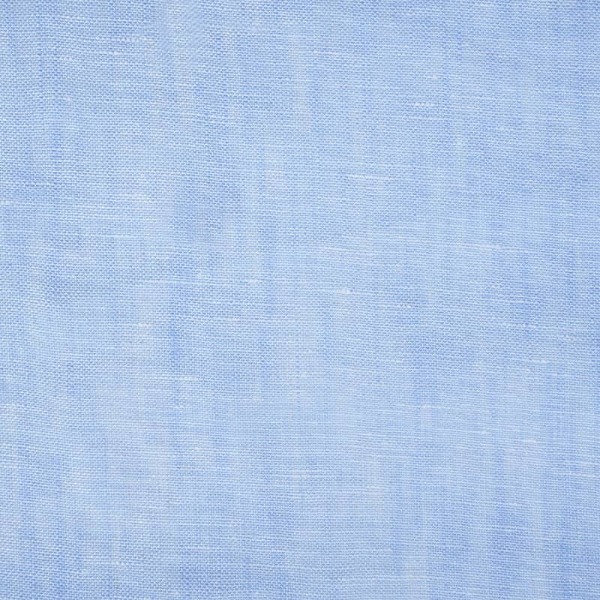
Beyond its functional merits, the linen shirt carries a distinct visual language. Often associated with “relaxed luxury,” its characteristic texture and natural luster provide a depth that flat-woven synthetics cannot replicate.
The “wrinkle” factor, once viewed as a drawback, is now embraced as a hallmark of authenticity. These natural creases signify a fabric that is organic and untreated by harsh anti-wrinkle chemicals. In a professional context, a crisp linen shirt in a neutral palette—such as optic white, sand, or slate blue—conveys a sense of prepared composure even in sweltering humidity. In a casual setting, an oversized or short-sleeved linen shirt offers a silhouette that is both airy and structured.
Durability and Longevity: An Investment Piece
While the initial cost of a high-quality linen shirt may be higher than cotton, its longevity justifies the investment. Linen is one of the world’s strongest natural fibers; it is approximately 30% stronger than cotton.
Crucially, linen possesses a unique aging process. While other fabrics may pill or lose their shape over time, linen becomes softer and more lustrous with every wash. The pectin that binds the fibers gradually breaks down, resulting in a garment that feels increasingly supple against the skin without losing its structural integrity. This “buy less, buy better” philosophy is central to the enduring appeal of the linen shirt.
Versatility Across Occasions
The adaptability of the linen shirt allows it to transition seamlessly across various environments:
- The Corporate Environment: Paired with tailored trousers and a lightweight blazer, a fine-gauge linen shirt maintains a sharp profile while preventing the wearer from overheating during commutes.
- Leisure and Travel: Due to its quick-drying nature and lightweight feel, it is the ideal travel companion. It packs easily and provides instant sun protection without adding thermal bulk.
- Evening Socials: The natural sheen of flax fibers gives the shirt a subtle elegance suitable for outdoor dinners or summer events, bridging the gap between formal and informal attire.
Care and Maintenance for Maximum Lifespan
To preserve the premium qualities of a linen shirt, proper care is paramount. Unlike delicate silks, linen is robust, but it responds best to gentle handling.
Washing: Cold or lukewarm water is preferred to prevent fiber shrinkage. Using a mild detergent preserves the natural strength of the flax.
Drying: Air drying is highly recommended. Not only does this save energy, but it also prevents the mechanical stress of a tumble dryer from weakening the fibers.
Ironing: If a crisp look is desired, the shirt should be ironed while still slightly damp. Using a high heat setting on the iron will easily smooth out the deepest creases.
FAQ
Q1: Does linen shrink after the first wash?
Linen can experience slight initial shrinkage (usually 3-5%) if washed in hot water. However, most high-quality linen shirts are pre-washed or “garment-dyed” to stabilize the fabric dimensions before they reach the consumer.
Q2: Is a linen shirt itchy?
High-quality linen is not itchy. While the fibers are naturally stiffer than cotton, they soften significantly with use and laundering. Any initial crispness is a sign of the fiber’s purity and strength.
Q3: How do I handle the wrinkling of my linen shirt?
Wrinkling is a natural characteristic of the fiber. To minimize it, avoid over-drying the garment and hang it up immediately after washing. Embracing the natural texture is part of the classic linen aesthetic.
Q4: Is linen better than cotton for hot weather?
Yes. From a technical standpoint, linen has higher heat conductivity and better airflow than cotton. This means heat moves away from your body faster, making you feel cooler in direct sunlight or high humidity.
Q5: Can linen shirts be worn in the autumn?
Absolutely. Linen is an excellent layering piece. Because of its thermoregulating properties, it helps retain body heat when worn under a sweater or jacket, making it a versatile transitional garment.
Conclusion: The Definitive Summer Staple
The linen shirt remains an unrivaled champion of summer fashion because it addresses the fundamental needs of the human body in heat while adhering to a timeless aesthetic. Its combination of breathability, extreme durability, and environmental sustainability ensures its place at the top of the textile hierarchy. Investing in linen is not just a style choice; it is a commitment to quality, comfort, and conscious living.